Branches : Nana mova main

parita@shreevardaan.com

Our Blogs

Home Blogs
Our Blogs
How-Physiotherapy-Helps-Restore-Hand-Movement-After-an-Accident How Physiotherapy Helps Restore Hand Movement After an Accident <p>An accident can affect your ability to perform even the simplest daily activities, especially when it causes an injury to your hand, wrist, fingers, or arm. Tasks such as holding objects, writing, eating, dressing, and lifting things may become difficult due to pain, stiffness, swelling, or reduced mobility.</p> <p>Physiotherapy after an accident plays an important role in restoring hand movement, improving flexibility, rebuilding muscle strength, and supporting functional recovery. With the right rehabilitation programme and professional guidance, patients can gradually regain confidence and independence in their daily activities.</p> <p>In this blog, we will understand how physiotherapy helps restore hand movement after an accident and why early assessment and proper rehabilitation are important.</p> <h3><strong>What Happens to Hand Movement After an Accident?</strong></h3> <p>Hand injuries can occur due to road accidents, falls, workplace injuries, fractures, or direct impact. Depending on the severity of the injury, patients may experience:</p> <p>- Pain and swelling in the hand or wrist.<br /> - Stiffness in fingers and joints.<br /> - Difficulty gripping or holding objects.<br /> - Reduced muscle strength.<br /> - Limited wrist and finger movement.<br /> - Numbness or tingling sensations.<br /> - Difficulty performing everyday activities.</p> <p>These problems can affect a person&#39;s quality of life. Without appropriate medical evaluation and rehabilitation, some injuries may result in prolonged stiffness and functional limitations.</p> <h3><strong>How Does Physiotherapy Help Restore Hand Movement?</strong></h3> <p>Physiotherapy focuses on improving mobility, strength, flexibility, and coordination through a personalised rehabilitation programme.</p> <p>Here are some important ways physiotherapy supports hand recovery after an accident.</p> <p><strong>1. Reduces Pain and Swelling</strong></p> <p>Pain and swelling can restrict normal hand movement after an injury. Depending on the condition, a physiotherapist may recommend appropriate pain-management techniques and therapeutic exercises to help manage discomfort and improve mobility.</p> <p><strong>2. Improves Finger and Wrist Mobility</strong></p> <p>After an accident, joints and surrounding tissues may become stiff. Gentle, guided range-of-motion exercises help gradually improve finger, wrist, and hand movements.</p> <p>These exercises are selected according to the patient&#39;s injury, healing stage, and medical restrictions.</p> <p><strong>3. Rebuilds Hand and Grip Strength</strong></p> <p>Injuries and periods of immobilisation can weaken the muscles of the hand and forearm.</p> <p>Physiotherapy may include progressive strengthening exercises, grip exercises, and resistance training to improve muscle function and support everyday activities.</p> <p><strong>4. Improves Hand Coordination</strong></p> <p>Hand coordination is essential for activities such as writing, buttoning clothes, holding utensils, and picking up small objects.</p> <p>Therapeutic activities and functional exercises help improve coordination, control, and movement accuracy.</p> <p><strong>5. Restores Daily Functional Activities</strong></p> <p>The main goal of hand rehabilitation is not just to improve movement but also to help patients return to their normal routines.</p> <p>A physiotherapist may introduce activity-based exercises that gradually help patients perform daily tasks more comfortably and independently.</p> <h3><strong>Important Physiotherapy Exercises for Hand Rehabilitation</strong></h3> <p>Depending on the injury and medical clearance, a physiotherapist may introduce exercises such as:</p> <p><strong>1. Finger Bending and Straightening</strong></p> <p>Helps improve finger joint mobility.</p> <p><strong>2. Wrist Flexion and Extension</strong></p> <p>Supports wrist flexibility and movement.</p> <p><strong>3. Finger Spreading</strong></p> <p>Helps improve finger control and mobility.</p> <p><strong>4. Grip Strengthening</strong></p> <p>Helps rebuild the ability to hold and grip objects.</p> <p><strong>5. Thumb Opposition</strong></p> <p>Improves coordination between the thumb and fingers.</p> <p><strong>6. Functional Hand Activities</strong></p> <p>Helps practise movements used in everyday tasks.</p> <h3><strong>Why Is Early Physiotherapy Assessment Important?</strong></h3> <p>Early assessment helps identify movement limitations, muscle weakness, pain, and functional difficulties.</p> <p>A physiotherapist can evaluate the patient&#39;s condition and develop a suitable rehabilitation plan in coordination with the treating doctor.</p> <p>Starting rehabilitation at the medically appropriate time can help:</p> <p>- Prevent avoidable joint stiffness.<br /> - Improve flexibility and mobility.<br /> - Support muscle strengthening.<br /> - Improve hand coordination.<br /> - Restore functional independence.<br /> - Build confidence during recovery.</p> <p>The timing of physiotherapy depends on the type and severity of the injury. Rehabilitation should never begin before it is medically safe.</p> <h3><strong>How Long Does It Take to Recover Hand Movement After an Accident?</strong></h3> <p>Recovery time varies from person to person. It depends on several factors, including:</p> <p>- Type and severity of the injury.<br /> - Whether surgery was required.<br /> - Age and general physical condition.<br /> - Duration of immobilisation.<br /> - Consistency with the rehabilitation programme.<br /> - Individual healing response.</p> <p>Some minor injuries may recover within a few weeks, while severe fractures, nerve injuries, and tendon damage may require several months of rehabilitation.</p> <p>Regular follow-ups and a personalised physiotherapy programme can help monitor progress and adjust treatment according to recovery.</p> <h3><strong>Real Recovery Through Proper Physiotherapy</strong></h3> <p>Every patient&#39;s recovery journey is different. With appropriate medical treatment, guided physiotherapy, and consistent rehabilitation, many patients can make meaningful improvements in hand movement and daily functionality.</p> <p>The right combination of mobility exercises, strengthening techniques, and functional training can support a gradual return to everyday activities.</p> <h3><strong>Frequently Asked Questions (FAQs)</strong></h3> <p><strong>1. Can physiotherapy restore hand movement after an accident?</strong></p> <p>Yes. Physiotherapy can help improve hand mobility, flexibility, strength, and coordination, depending on the type and severity of the injury.</p> <p><strong>2. How long does hand rehabilitation take after an accident?</strong></p> <p>Recovery time varies depending on the injury, treatment received, and individual healing process. Some patients may recover within weeks, while others may need several months.</p> <p><strong>3. Which physiotherapy exercises help improve hand movement?</strong></p> <p>Finger bending, wrist movements, finger spreading, grip strengthening, and thumb opposition exercises may help improve hand mobility when medically appropriate.</p> <p><strong>4. Can physiotherapy help reduce hand stiffness after an accident?</strong></p> <p>Yes. Guided mobility exercises and appropriate rehabilitation techniques can help reduce stiffness and improve joint flexibility.</p> <p><strong>5. When should I start physiotherapy after a hand injury?</strong></p> <p>The right time depends on the injury and medical treatment. Consult your treating doctor or physiotherapist before beginning rehabilitation.</p> <p><strong>6. Can physiotherapy improve grip strength after an accident?</strong></p> <p>Yes. Progressive grip-strengthening and functional exercises can help improve hand and forearm strength.</p> <p><strong>7. Is physiotherapy necessary after a hand fracture?</strong></p> <p>Physiotherapy is often recommended after a fracture when medically appropriate. It can help restore mobility, strength, and hand function after the bone has healed sufficiently or as directed by the treating doctor.</p> <p><strong>8. Can elderly patients benefit from hand physiotherapy?</strong></p> <p>Yes. Elderly patients may benefit from personalised rehabilitation to improve hand mobility, strength, coordination, and independence.</p> <p><strong>9. What happens if hand stiffness is left untreated?</strong></p> <p>Persistent stiffness may limit movement and make everyday activities difficult. A professional assessment can help identify the cause and determine suitable treatment.</p> <p><strong>10. Does every patient recover at the same speed?</strong></p> <p>No. Recovery depends on injury severity, age, overall health, treatment, and consistency with rehabilitation.</p> <h3><strong>Conclusion</strong></h3> <p>Hand injuries after an accident can make daily activities challenging, but proper rehabilitation can play an important role in recovery. **Physiotherapy helps restore hand movement, improve flexibility, rebuild strength, and enhance coordination.**</p> <p>If you or someone in your family is experiencing difficulty moving their hand after an accident, consider getting a professional assessment and following an appropriate rehabilitation programme.</p> <p>At Shree Vardaan Physiotherapy &amp; Rehab Centre, the focus is on supporting patients through professional physiotherapy and rehabilitation to help improve movement and quality of life.</p> <p>Take the right step towards better movement and recovery!</p>

How Physiotherapy Helps Restore Hand Movement After an Accident

2026-11-05 02:04:18

An accident can affect your ability to perform even the simplest daily activities, especially when it causes an injury to your hand, wrist, fingers, or arm. Tasks such as holding objects, writing, eating, dressing, and lifting things may become difficult due to pain, stiffness, swelling, or reduced mobility.

Physiotherapy after an accident plays an important role in restoring hand mov
Read more

Neck-Pain-Relief-with-Advanced-Physiotherapy-Treatment-in-Rajkot Neck Pain Relief with Advanced Physiotherapy Treatment in Rajkot <p>Neck pain is a common problem that can affect people of different age groups. Long hours of sitting, poor posture, excessive mobile or laptop use, muscle stiffness, and daily activities can contribute to neck discomfort. If left unaddressed, neck pain may affect daily movements, work productivity, and overall quality of life.</p> <p>Advanced physiotherapy treatment in Rajkot can help manage neck pain, improve mobility, and support recovery. At Shree Vardaan Advance Physiotherapy &amp; Rehab Center, Dr. Parita Lunagaria focuses on patient-oriented care and suitable treatment approaches based on individual needs.</p> <h3><strong>Common Causes of Neck Pain</strong></h3> <p>Neck pain can develop due to several lifestyle and physical factors. Some common causes include:</p> <p><strong>1. Poor Posture</strong></p> <p>Sitting or standing incorrectly for long periods can put additional stress on neck muscles.</p> <p><strong>2. Excessive Screen Time</strong></p> <p>Continuous mobile and laptop usage may contribute to neck stiffness.</p> <p><strong>3. Muscle Strain</strong></p> <p>Sudden movements or repetitive activities can cause muscle discomfort.</p> <p><strong>4. Cervical Spine Problems</strong><br /> &nbsp;<br /> Certain conditions affecting the cervical spine may lead to neck pain.</p> <p><strong>5. Stress and Muscle Tension</strong></p> <p>Stress can contribute to tightness in the neck and shoulder muscles.</p> <p><strong>6. Lack of Physical Activity</strong></p> <p>Limited movement may contribute to stiffness and reduced flexibility.</p> <p>Identifying the underlying cause is important for selecting an appropriate treatment plan.</p> <h3><strong>How Does Physiotherapy Help Relieve Neck Pain?</strong></h3> <p>Physiotherapy plays an important role in managing neck pain and improving physical function. A physiotherapist evaluates the patient&#39;s condition and recommends suitable treatment techniques.</p> <p>Some potential benefits include:</p> <p>1. Reduced muscle tension and discomfort.<br /> 2. Improved neck flexibility and movement.<br /> 3. Better posture and body alignment.<br /> 4. Improved muscle strength.<br /> 5. Support for daily activities and functional movement.</p> <p>The treatment approach depends on the cause, severity, and individual condition of the patient.</p> <h3><strong>Advanced Physiotherapy Treatments for Neck Pain</strong></h3> <p>Different physiotherapy techniques may be used depending on the patient&#39;s assessment and treatment requirements.</p> <p><strong>1. Chiropractic Treatment</strong></p> <p>Chiropractic techniques may involve specific manual approaches to address joint movement and musculoskeletal discomfort. These techniques should only be considered after an appropriate assessment by a qualified professional.</p> <p><strong>2. Cupping Therapy</strong></p> <p>Cupping therapy is a complementary technique that uses suction cups on the skin. It may help some patients manage muscle tension and discomfort. Its suitability depends on the patient&#39;s health condition.</p> <p><strong>3. Advanced Rehabilitation Protocols</strong></p> <p>Rehabilitation programs may include therapeutic exercises, mobility training, posture correction, and strengthening activities. These approaches help patients work towards better movement and physical function.</p> <p><strong>4. Posture Correction Exercises</strong></p> <p>Incorrect posture can contribute to neck and shoulder discomfort. Physiotherapists may recommend posture correction exercises and ergonomic guidance to reduce unnecessary strain.</p> <p><strong>5. Neck Strengthening Exercises</strong></p> <p>Gentle strengthening exercises can help improve the support provided by neck and surrounding muscles. Exercises should be selected according to the patient&#39;s condition and performed under professional guidance.</p> <h3><strong>Patient Experience at Shree Vardaan Physiotherapy Centre</strong></h3> <p>Patient feedback can provide useful insights into the treatment experience and clinical environment.</p> <p>Pratiksha Sheth shared a positive experience at Shree Vardaan Physiotherapy Centre, Rajkot.</p> <p>According to her testimonial, she consulted Dr. Parita Lunagaria for neck pain and received advanced treatment approaches, including chiropractic techniques, cupping therapy, and advanced rehabilitation protocols.</p> <p>She mentioned feeling much better after a few sessions and appreciated the clinic atmosphere, friendly staff, and supportive nature of the team.</p> <p>This feedback highlights the importance of personalized attention, professional guidance, and a comfortable environment during the physiotherapy journey.</p> <h3><strong>Simple Tips to Prevent Neck Pain</strong></h3> <p>Along with professional physiotherapy, healthy daily habits can help reduce unnecessary strain on the neck.</p> <p>- Maintain proper posture while sitting and standing.<br /> - Keep your mobile screen at eye level.<br /> - Avoid sitting continuously for long hours.<br /> - Take regular breaks during computer work.<br /> - Perform recommended neck mobility exercises.<br /> - Use a comfortable pillow while sleeping.<br /> - Avoid sudden neck movements and self-manipulation.</p> <p>If neck pain continues or becomes severe, consult a qualified healthcare professional.</p> <h3><strong>When Should You Consult a Physiotherapist for Neck Pain?</strong></h3> <p>You should consider professional assessment if you experience:</p> <p>- Persistent neck pain or stiffness.<br /> - Difficulty turning or moving your neck.<br /> - Pain spreading towards the shoulders or arms.<br /> - Recurring discomfort during daily activities.<br /> - Reduced neck flexibility.<br /> - Neck pain that affects your work or sleep.</p> <p>Seek prompt medical attention if neck pain occurs with significant weakness, numbness, fever, severe headache, or follows a major injury.</p> <h3><strong>Why Choose Shree Vardaan Physiotherapy Centre in Rajkot?</strong></h3> <p>Shree Vardaan Advance Physiotherapy &amp; Rehab Center, under the guidance of Dr. Parita Lunagaria, provides physiotherapy and rehabilitation services with a focus on patient care.</p> <p>The centre focuses on:</p> <p>- Individual patient assessment.<br /> - Personalized physiotherapy treatment.<br /> - Advanced rehabilitation approaches.<br /> - Mobility and flexibility improvement.<br /> - Supportive clinical environment.<br /> - Professional treatment guidance.</p> <p>The right treatment approach is selected according to the patient&#39;s condition and rehabilitation needs.</p> <h3><strong>Conclusion</strong></h3> <p>Neck pain can affect your daily routine, movement, and comfort. Identifying its cause and choosing an appropriate treatment approach can help manage discomfort and improve mobility.</p> <p>Advanced physiotherapy techniques, rehabilitation exercises, posture correction, and professional guidance can support the recovery process.</p> <p>If you are looking for neck pain treatment in Rajkot, consult Shree Vardaan Advance Physiotherapy &amp; Rehab Center to understand suitable physiotherapy options for your condition.</p>

Neck Pain Relief with Advanced Physiotherapy Treatment in Rajkot

2026-11-04 02:36:08

Neck pain is a common problem that can affect people of different age groups. Long hours of sitting, poor posture, excessive mobile or laptop use, muscle stiffness, and daily activities can contribute to neck discomfort. If left unaddressed, neck pain may affect daily movements, work productivity, and overall quality of life.

Advanced physiotherapy treatment in Rajkot can help manage
Read more

How-Patient-Reviews-Reflect-Quality-Physiotherapy-Care-in-Rajkot How Patient Reviews Reflect Quality Physiotherapy Care in Rajkot <p>Choosing the right physiotherapy centre is an important step towards better movement, pain management, and physical recovery. Before visiting a clinic, many people check patient reviews to understand the quality of treatment, staff behaviour, and overall experience.</p> <p>Patient reviews provide useful insights into how a physiotherapy centre communicates with patients, understands their concerns, and provides personalized treatment. In Rajkot, Shree Vardaan Physiotherapy Centre, under the guidance of Dr. Parita Lunagaria, focuses on professional physiotherapy care and patient satisfaction.</p> <h3><strong>Why Are Patient Reviews Important When Choosing a Physiotherapy Centre?</strong></h3> <p>Patient reviews help people make informed decisions about their healthcare. They share real experiences and provide an idea of what patients can expect from a clinic.</p> <p>Here are some reasons why patient reviews matter:</p> <p><strong>1. Treatment Experience</strong></p> <p>Reviews describe patients&#39; experiences with physiotherapy services.<br /> &nbsp;<br /> <strong>2. Professional Guidance</strong></p> <p>Feedback can highlight the way physiotherapists explain conditions and treatment plans.</p> <p><strong>3. Staff Behaviour</strong></p> <p>Friendly and supportive staff can make patients feel comfortable.<br /> &nbsp;<br /> <strong>4. Clinic Environment</strong></p> <p>Reviews may provide information about cleanliness and available facilities.</p> <p><strong>5. Patient Satisfaction</strong></p> <p>Positive feedback can reflect a patient&#39;s satisfaction with the overall experience.</p> <h3><strong>5 Qualities That Reflect Good Physiotherapy Care</strong></h3> <p>A good physiotherapy experience involves more than just treatment. Several factors contribute to effective and patient-focused care.</p> <p><strong>1. Personalized Treatment Plans</strong></p> <p>Every patient has different physical conditions and recovery requirements. A personalized treatment plan helps address individual needs based on proper assessment and professional guidance.</p> <p><strong>2. Clear Communication</strong></p> <p>Patients should understand their condition, treatment approach, and recovery goals. Clear communication helps build confidence and encourages active participation during treatment.</p> <p><strong>3. Professional Physiotherapy Guidance</strong></p> <p>Qualified physiotherapy professionals assess physical conditions and recommend suitable treatment approaches based on the patient&#39;s requirements.</p> <p><strong>4. Friendly and Supportive Staff</strong></p> <p>A welcoming clinic environment can make patients feel more comfortable throughout their treatment journey. Supportive staff also help create a positive experience.</p> <p><strong>5. Focus on Mobility and Recovery</strong></p> <p>Physiotherapy aims to improve movement, flexibility, strength, and physical function. Regular guidance and appropriate exercises can support patients during recovery.</p> <h3><strong>What Patients Say About Shree Vardaan Physiotherapy Centre</strong></h3> <p>Patient feedback is one way to understand the experience provided by a physiotherapy centre.</p> <p>B Kumar shared a positive review about the treatment received at Shree Vardaan Physiotherapy Centre in Rajkot.</p> <p>According to the review, Dr. Parita Lunagaria was caring and knowledgeable and helped reduce pain while improving mobility. The patient also appreciated the friendly and cooperative behaviour of the entire team.</p> <p>The review highlights three important aspects of a positive physiotherapy experience:</p> <p>- Caring and knowledgeable professional guidance.<br /> - Support for pain management and improved mobility.<br /> - A comfortable environment with friendly staff.</p> <p>Such feedback helps other people understand the importance of choosing a physiotherapy centre that values patient care and communication.</p> <h3><strong>Common Conditions That May Require Physiotherapy</strong></h3> <p>Physiotherapy can support people experiencing different musculoskeletal and movement-related conditions.</p> <p>Some common conditions include:</p> <p>- Back pain and neck pain.<br /> - Knee and shoulder pain.<br /> - Joint stiffness and muscle tightness.<br /> - Sports-related injuries.<br /> - Posture-related problems.<br /> - Mobility difficulties after surgery.<br /> - Rehabilitation following certain neurological conditions.</p> <p>Treatment depends on the patient&#39;s condition and should be guided by a qualified healthcare professional.</p> <h3><strong>How to Choose the Right Physiotherapy Centre in Rajkot</strong></h3> <p>Before selecting a physiotherapy clinic, consider these important points:</p> <p>1. Check the qualifications and experience of physiotherapy professionals.<br /> 2. Read patient reviews and feedback.<br /> 3. Understand the treatment services available.<br /> 4. Look for proper assessment and personalized care.<br /> 5. Consider clinic cleanliness and patient comfort.<br /> 6. Discuss your treatment goals with the physiotherapist.</p> <p>Taking time to evaluate these factors can help you choose a suitable physiotherapy centre.</p> <h3><strong>Why Choose Shree Vardaan Physiotherapy Centre?</strong></h3> <p>Shree Vardaan Advance Physiotherapy &amp; Rehab Center provides physiotherapy and rehabilitation care in Rajkot under the guidance of Dr. Parita Lunagaria.</p> <p>The centre focuses on:</p> <p>- Personalized physiotherapy care.<br /> - Professional treatment guidance.<br /> - Pain management and mobility improvement.<br /> - A friendly and supportive environment.<br /> - Patient-focused rehabilitation services.</p> <p>If you are experiencing pain, stiffness, or movement difficulties, consulting a qualified physiotherapist can help you understand suitable treatment options.</p> <h3><strong>Conclusion</strong></h3> <p>Patient reviews offer valuable insights into the quality of physiotherapy care and the overall patient experience. Professional guidance, personalized treatment, clear communication, and a supportive environment all contribute to a positive treatment journey.</p> <p>If you are looking for quality physiotherapy care in Rajkot, Shree Vardaan Physiotherapy Centre is worth considering for consultation and rehabilitation support.</p>

How Patient Reviews Reflect Quality Physiotherapy Care in Rajkot

2026-11-04 02:28:42

Choosing the right physiotherapy centre is an important step towards better movement, pain management, and physical recovery. Before visiting a clinic, many people check patient reviews to understand the quality of treatment, staff behaviour, and overall experience.

Patient reviews provide useful insights into how a physiotherapy centre communicates with patients, understands their co
Read more

Patient-Testimonials--Best-Physiotherapy-Care-in-Rajkot Patient Testimonials Best Physiotherapy Care in Rajkot <p>Choosing the right physiotherapy center is important for effective pain management, improved mobility, and better physical health. Patient experiences and reviews help people understand the quality of treatment and care provided by a clinic.</p> <p>Shree Vardaan Physiotherapy Centre in Rajkot, under the guidance of Dr. Parita Lunagaria, focuses on providing professional and personalized physiotherapy care. Positive patient experiences reflect the importance of proper assessment, treatment planning, and supportive care throughout the recovery journey.</p> <h3><strong>Why Are Patient Testimonials Important When Choosing a Physiotherapy Centre?</strong></h3> <p>Patient testimonials help individuals make informed decisions when selecting a physiotherapy clinic. They provide insights into the treatment experience, staff behavior, clinic environment, and overall patient satisfaction.</p> <p>Here are some important factors patients often consider:</p> <p><strong>1. Professional Treatment</strong><br /> &nbsp;<br /> Proper assessment and personalized treatment plans.<br /> &nbsp;<br /> <strong>2. Experienced Guidance</strong></p> <p>Support from qualified physiotherapy professionals.<br /> &nbsp;<br /> <strong>3. Patient-Friendly Environment</strong></p> <p>A clean, comfortable, and supportive clinic.<br /> &nbsp;<br /> <strong>4. Personalized Care</strong></p> <p>Treatment approaches based on individual patient needs.<br /> &nbsp;<br /> <strong>5. Recovery Support</strong></p> <p>Guidance to improve movement, flexibility, and daily activities.</p> <h3><strong>Patient Experience at Shree Vardaan Physiotherapy Centre</strong></h3> <p>Patient feedback plays an important role in understanding the overall treatment experience.</p> <p>One patient, Changela Kush, shared a positive experience with Dr. Parita Lunagaria and the entire team at Shree Vardaan Physiotherapy Centre.</p> <p>According to the testimonial, the treatment was professional, personalized, and effective. The patient appreciated how Dr. Parita explained the condition and developed a suitable treatment plan that helped reduce pain and improve mobility.</p> <p>The patient also appreciated the clean and well-equipped clinic environment and the friendly, supportive staff.</p> <p>Such experiences highlight the importance of patient-focused physiotherapy care.</p> <h3><strong>Benefits of Choosing Professional Physiotherapy Treatment</strong></h3> <p>Physiotherapy can help people manage different physical conditions and improve their ability to perform everyday activities.</p> <p>Some key benefits include:</p> <p><strong>1. Pain Management</strong><br /> &nbsp;<br /> Helps manage back pain, neck pain, joint pain, and muscle discomfort.</p> <p><strong>2. Improved Mobility</strong></p> <p>Supports better movement and flexibility.</p> <p><strong>3. Muscle Strength</strong></p> <p>Helps improve muscle strength and physical function.</p> <p><strong>4. Posture Correction</strong></p> <p>Helps address posture-related problems.</p> <p><strong>5. Rehabilitation Support</strong></p> <p>Assists recovery after injuries, surgeries, or certain medical conditions.</p> <p>The treatment approach depends on the patient&#39;s condition and individual healthcare requirements.</p> <h3><strong>What Makes a Good Physiotherapy Centre?</strong></h3> <p>Before selecting a physiotherapy clinic, consider these important factors:</p> <p>- Qualified and experienced physiotherapy professionals.<br /> - Proper patient assessment.<br /> - Personalized treatment plans.<br /> - Clean and well-maintained facilities.<br /> - Friendly staff and patient support.<br /> - Clear communication about treatment and recovery.</p> <p>Selecting the right physiotherapy centre can make your treatment journey more comfortable and organized.</p> <h3><strong>Why Choose Shree Vardaan Physiotherapy Centre in Rajkot?</strong></h3> <p>Shree Vardaan Physiotherapy Centre provides physiotherapy and rehabilitation services with a focus on personalized patient care.</p> <p>Under the guidance of Dr. Parita Lunagaria, the centre aims to support patients through professional treatment, proper guidance, and a supportive clinical environment.</p> <p>Whether you are experiencing muscle discomfort, joint pain, mobility difficulties, or require rehabilitation support, consulting a qualified physiotherapy professional can help you understand the right treatment options.</p> <h3><strong>Conclusion</strong></h3> <p>Patient testimonials offer valuable insights into the treatment experience and patient satisfaction at a physiotherapy centre. Professional guidance, personalized care, and a supportive environment are important factors in the physiotherapy journey.</p> <p>If you are looking for physiotherapy care in Rajkot, Shree Vardaan Physiotherapy Centre is an option to consider for professional consultation and rehabilitation support.</p>

Patient Testimonials Best Physiotherapy Care in Rajkot

2026-11-04 02:22:40

Choosing the right physiotherapy center is important for effective pain management, improved mobility, and better physical health. Patient experiences and reviews help people understand the quality of treatment and care provided by a clinic.

Shree Vardaan Physiotherapy Centre in Rajkot, under the guidance of Dr. Parita Lunagaria, focuses on providing professional and personalized phys
Read more

Personalized-Physiotherapy-Treatment-for-Pain-Relief-and-Better-Mobility-in-Rajkot Personalized Physiotherapy Treatment for Pain Relief and Better Mobility in Rajkot <p>Every patient experiences pain and movement difficulties differently. Whether it is back pain, neck pain, joint stiffness, muscle discomfort, or reduced mobility, the right treatment approach can make an important difference in daily life.</p> <p>Personalized physiotherapy treatment in Rajkot focuses on understanding each patient&#39;s condition and creating a suitable treatment plan according to their individual needs. At Shree Vardaan Advance Physiotherapy &amp; Rehab Center, Dr. Parita Lunagaria emphasizes professional guidance, personalized care, and rehabilitation support to help patients improve their movement and physical function.</p> <h3><strong>What Is Personalized Physiotherapy Treatment?</strong></h3> <p>Personalized physiotherapy is a treatment approach designed according to an individual&#39;s physical condition, symptoms, medical history, and recovery goals.</p> <p>Instead of following the same treatment for everyone, a physiotherapist assesses the patient and recommends suitable techniques and exercises.</p> <p>A personalized treatment plan may include:</p> <p>- Detailed physical assessment.<br /> - Pain and movement evaluation.<br /> - Customized therapeutic exercises.<br /> - Posture correction guidance.<br /> - Mobility and flexibility training.<br /> - Strengthening and rehabilitation exercises.<br /> - Regular progress monitoring.</p> <p>This approach helps ensure that treatment is relevant to the patient&#39;s specific requirements.</p> <h3><strong>Benefits of Personalized Physiotherapy Treatment</strong></h3> <p>Choosing a suitable physiotherapy treatment plan can offer several benefits.</p> <p><strong>1. Effective Pain Management</strong></p> <p>Physiotherapy techniques and therapeutic exercises may help manage discomfort associated with muscle, joint, and movement-related conditions.</p> <p><strong>2. Improved Mobility and Flexibility</strong></p> <p>Customized exercises help improve joint movement, flexibility, and the ability to perform everyday activities.</p> <p><strong>3. Better Muscle Strength</strong></p> <p>Strengthening exercises help improve muscle function and provide better support to the body.</p> <p><strong>4. Posture Correction</strong></p> <p>Poor posture can contribute to neck, shoulder, and back discomfort. Physiotherapy guidance can help improve posture and movement habits.</p> <p><strong>5. Individualized Rehabilitation</strong></p> <p>Patients recovering from injuries, surgeries, or certain medical conditions may benefit from rehabilitation programs designed around their recovery needs.</p> <h3><strong>Advanced Physiotherapy Techniques for Better Recovery</strong></h3> <p>Depending on the patient&#39;s condition and professional assessment, different physiotherapy approaches may be recommended.</p> <p><strong>1. Manual Therapy</strong></p> <p>Manual therapy involves hands-on techniques used by trained professionals to address joint stiffness, muscle tension, and movement limitations.</p> <p><strong>2. Cupping Therapy</strong></p> <p>Cupping therapy uses suction cups placed on the skin and may help some patients manage muscle&nbsp;<br /> discomfort. It is a complementary approach and is not suitable for everyone.</p> <p><strong>3. Therapeutic Exercises</strong></p> <p>Specific exercises help improve strength, flexibility, balance, and coordination. These exercises are selected according to the patient&#39;s physical condition.</p> <p><strong>4. Rehabilitation Programs</strong></p> <p>Structured rehabilitation programs support patients who need to regain physical function after injuries, surgeries, or other health conditions.</p> <p><strong>5. Posture and Mobility Training</strong></p> <p>Posture correction and mobility exercises help patients develop better movement habits and reduce unnecessary physical strain.</p> <h3><strong>Patient Experience at Shree Vardaan Physiotherapy Centre</strong></h3> <p>Patient feedback provides valuable insights into the treatment experience and overall clinical environment.</p> <p>Changela Kush shared a positive experience at Shree Vardaan Physiotherapy Centre in Rajkot.</p> <p>According to the testimonial, Dr. Parita Lunagaria carefully explained the patient&#39;s condition and created a personalized treatment plan. The patient mentioned that the treatment helped significantly reduce pain and improve mobility.</p> <p>The testimonial also highlights the clinic&#39;s clean and well-equipped environment and the friendly, supportive behaviour of the staff.</p> <p>This experience reflects the importance of personalized attention, professional communication, and patient comfort throughout the physiotherapy journey.</p> <h3><strong>Common Conditions That May Require Physiotherapy</strong></h3> <p>Physiotherapy can support individuals experiencing different physical and movement-related problems.</p> <p>Some common conditions include:</p> <p>- Neck pain and cervical discomfort.<br /> - Lower back pain.<br /> - Knee and shoulder pain.<br /> - Muscle stiffness and joint discomfort.<br /> - Sports-related injuries.<br /> - Posture-related problems.<br /> - Reduced mobility after surgery.<br /> - Rehabilitation following certain neurological conditions.</p> <p>A proper assessment by a qualified physiotherapist helps determine the most appropriate treatment approach.</p> <h3><strong>How to Choose the Right Physiotherapy Centre in Rajkot</strong></h3> <p>Selecting the right physiotherapy centre is important for a comfortable and organized treatment experience.</p> <p>Consider these factors before choosing a clinic:</p> <p>1. Check the qualifications and experience of the physiotherapist.<br /> 2. Look for personalized treatment planning.<br /> 3. Read genuine patient reviews and testimonials.<br /> 4. Understand the available treatment and rehabilitation services.<br /> 5. Check the clinic&#39;s hygiene and facilities.<br /> 6. Choose a centre that communicates clearly about treatment goals.</p> <p>These factors can help you make a more informed decision.</p> <h3><strong>Why Choose Shree Vardaan Advance Physiotherapy &amp; Rehab Center?</strong></h3> <p>Shree Vardaan Advance Physiotherapy &amp; Rehab Center in Rajkot, under the guidance of Dr. Parita Lunagaria, focuses on professional physiotherapy care and rehabilitation support.</p> <p>The centre emphasizes:</p> <p>- Personalized patient assessment.<br /> - Individualized treatment planning.<br /> - Pain management support.<br /> - Mobility and flexibility improvement.<br /> - Advanced rehabilitation approaches.<br /> - Friendly and supportive clinical care.</p> <p>Every patient&#39;s condition is different, so treatment recommendations are based on individual assessment and healthcare requirements.</p> <h3><strong>Conclusion</strong></h3> <p>Personalized physiotherapy treatment plays an important role in managing pain, improving mobility, and supporting physical rehabilitation. A treatment plan based on individual needs can help patients work towards better movement and improved daily functioning.</p> <p>If you are looking for personalized physiotherapy treatment in Rajkot, consult Shree Vardaan Advance Physiotherapy &amp; Rehab Center to understand suitable treatment options for your condition.</p>

Personalized Physiotherapy Treatment for Pain Relief and Better Mobility in Rajkot

2026-11-04 02:15:54

Every patient experiences pain and movement difficulties differently. Whether it is back pain, neck pain, joint stiffness, muscle discomfort, or reduced mobility, the right treatment approach can make an important difference in daily life.

Personalized physiotherapy treatment in Rajkot focuses on understanding each patient's condition and creating a suitable treatment plan accordi
Read more

How-Physiotherapy-and-Chiropractic-Treatment-Help-Relieve-Severe-Back-Pain How Physiotherapy and Chiropractic Treatment Help Relieve Severe Back Pain <p>Back pain is one of the most common health problems affecting people of different age groups. Long working hours, poor posture, sitting for extended periods, muscle strain, injuries, and a lack of physical activity can contribute to back pain. While mild discomfort may improve with rest, severe or persistent back pain can affect daily activities, work performance, and overall quality of life.</p> <p>Physiotherapy and chiropractic treatment are two approaches that may help manage back pain, improve mobility, and support recovery. With proper assessment and a personalized treatment plan, patients can work towards better movement and long-term back health.</p> <h3><strong>Common Causes of Severe Back Pain</strong></h3> <p>Back pain can develop due to several factors. Some of the most common causes include:</p> <p><strong>1. Poor Posture</strong></p> <p>Incorrect sitting, standing, or sleeping positions can put additional stress on the spine.</p> <p><strong>2. Muscle Strain</strong></p> <p>Lifting heavy objects or sudden movements can strain the back muscles.</p> <p><strong>3. Prolonged Sitting&nbsp;</strong></p> <p>Spending long hours at a desk without movement can increase back discomfort.</p> <p><strong>4. Spinal Conditions</strong><br /> &nbsp;<br /> Conditions such as slipped discs, sciatica, and degenerative disc changes may cause back pain.</p> <p><strong>5. Lack of Physical Activity</strong></p> <p>Weak back and core muscles may contribute to poor spinal support.</p> <p><strong>6. Sports Injuries</strong><br /> &nbsp;<br /> Sudden movements or physical injuries can affect muscles, joints, and spinal structures.</p> <p>Identifying the underlying cause is important for choosing the right treatment.</p> <h3><strong>What Is Physiotherapy for Back Pain?</strong></h3> <p>Physiotherapy is a treatment approach that focuses on improving movement, strength, flexibility, and physical function. A qualified physiotherapist evaluates the patient&#39;s condition and creates a treatment plan based on individual needs.</p> <p>Physiotherapy for back pain may include:</p> <p><strong>1. Therapeutic Exercises</strong></p> <p>Specific exercises help strengthen the core and back muscles, improve flexibility, and support spinal stability.</p> <p><strong>2. Manual Therapy</strong></p> <p>Hands-on techniques may help improve joint mobility, reduce muscle stiffness, and support comfortable movement.</p> <p><strong>3. Posture Correction</strong></p> <p>Physiotherapists guide patients on maintaining proper posture while sitting, standing, walking, and working.</p> <p><strong>4. Pain Management Techniques</strong></p> <p>Depending on the condition, physiotherapy may include heat therapy, cold therapy, or other suitable pain-management techniques.</p> <p><strong>5. Rehabilitation Exercises</strong></p> <p>Gradual rehabilitation helps patients return to their regular activities safely and improve their physical strength.</p> <h3><strong>How Chiropractic Treatment Helps Relieve Back Pain</strong></h3> <p>Chiropractic care focuses on the relationship between the spine, joints, muscles, and movement.&nbsp;</p> <p>Chiropractors may use specific hands-on techniques, including spinal manipulation and joint mobilization, depending on the patient&#39;s condition.</p> <p>Potential benefits of chiropractic treatment include:</p> <p>- Improving spinal and joint mobility.<br /> - Reducing certain types of back discomfort.<br /> - Relieving muscle and joint stiffness.<br /> - Supporting better movement and flexibility.<br /> - Helping patients manage certain types of mechanical back pain.</p> <p>Chiropractic treatment is not suitable for everyone. A proper medical assessment is important before undergoing spinal manipulation, particularly for people with certain spinal conditions or other health concerns.</p> <h3><strong>Role of Cupping Therapy in Back Pain Management</strong></h3> <p>Cupping therapy is a complementary treatment that uses special cups to create suction on the skin. Some patients use it alongside physiotherapy as part of their pain-management routine.</p> <p>Possible benefits may include:</p> <p>- Temporary relief from muscle tightness.<br /> - Relaxation of tense muscles.<br /> - Improved comfort in affected areas.<br /> - Support for overall relaxation.</p> <p>However, scientific evidence supporting cupping therapy for back pain remains limited. It should not replace appropriate medical evaluation or evidence-based treatment.</p> <h3><strong>Benefits of Combining Physiotherapy and Chiropractic Care</strong></h3> <p>When clinically appropriate, physiotherapy and chiropractic care may complement each other as part of an individualized treatment plan.</p> <p>Some potential benefits include:</p> <p><strong>1. Better Mobility</strong></p> <p>Treatment may help improve spinal movement and flexibility.</p> <p><strong>2. Muscle Strength</strong></p> <p>Physiotherapy exercises strengthen muscles that support the spine.</p> <p><strong>3. Pain Management</strong></p> <p>Different treatment approaches may help manage back discomfort.</p> <p><strong>4. Improved Posture</strong></p> <p>Posture education helps reduce unnecessary stress on the back.</p> <p><strong>5. Better Daily Function</strong></p> <p>Rehabilitation can help patients gradually return to everyday activities.</p> <p>The right combination depends on the patient&#39;s symptoms, medical history, and assessment findings.</p> <h3><strong>When Should You Consult a Physiotherapist?</strong></h3> <p>You should consider professional evaluation if you experience:</p> <p>- Persistent or recurring back pain.<br /> - Difficulty bending, walking, or sitting comfortably.<br /> - Muscle stiffness and restricted movement.<br /> - Back pain that affects your daily activities.<br /> - Pain that continues despite basic self-care.</p> <p>Seek urgent medical attention if back pain is accompanied by new bladder or bowel control problems, numbness around the groin, or progressive leg weakness.</p> <h3><strong>Tips to Prevent Back Pain</strong></h3> <p>Along with professional treatment, healthy daily habits can help maintain back health.</p> <p>- Maintain proper sitting and standing posture.<br /> - Take regular breaks during long working hours.<br /> - Include suitable stretching and strengthening exercises.<br /> - Avoid lifting heavy objects incorrectly.<br /> - Maintain a healthy body weight.<br /> - Stay physically active.<br /> - Follow your physiotherapist&#39;s exercise recommendations.</p> <h3><strong>Conclusion</strong></h3> <p>Severe back pain can affect your comfort, mobility, and everyday routine. Physiotherapy focuses on strengthening muscles, improving flexibility, and restoring movement, while chiropractic care may help address certain spinal and joint-related problems. When selected appropriately after a professional assessment, these approaches can support back pain management and rehabilitation.</p> <p>If you are experiencing persistent back pain, consult a qualified healthcare professional to understand the cause and find a suitable treatment plan.</p> <p>Vardaan Advance Physiotherapy &amp; Rehab Center focuses on patient assessment and personalized physiotherapy and rehabilitation care to support better movement, recovery, and overall well-being.</p>

How Physiotherapy and Chiropractic Treatment Help Relieve Severe Back Pain

2026-11-04 02:08:28

Back pain is one of the most common health problems affecting people of different age groups. Long working hours, poor posture, sitting for extended periods, muscle strain, injuries, and a lack of physical activity can contribute to back pain. While mild discomfort may improve with rest, severe or persistent back pain can affect daily activities, work performance, and overall quality of life. Read more

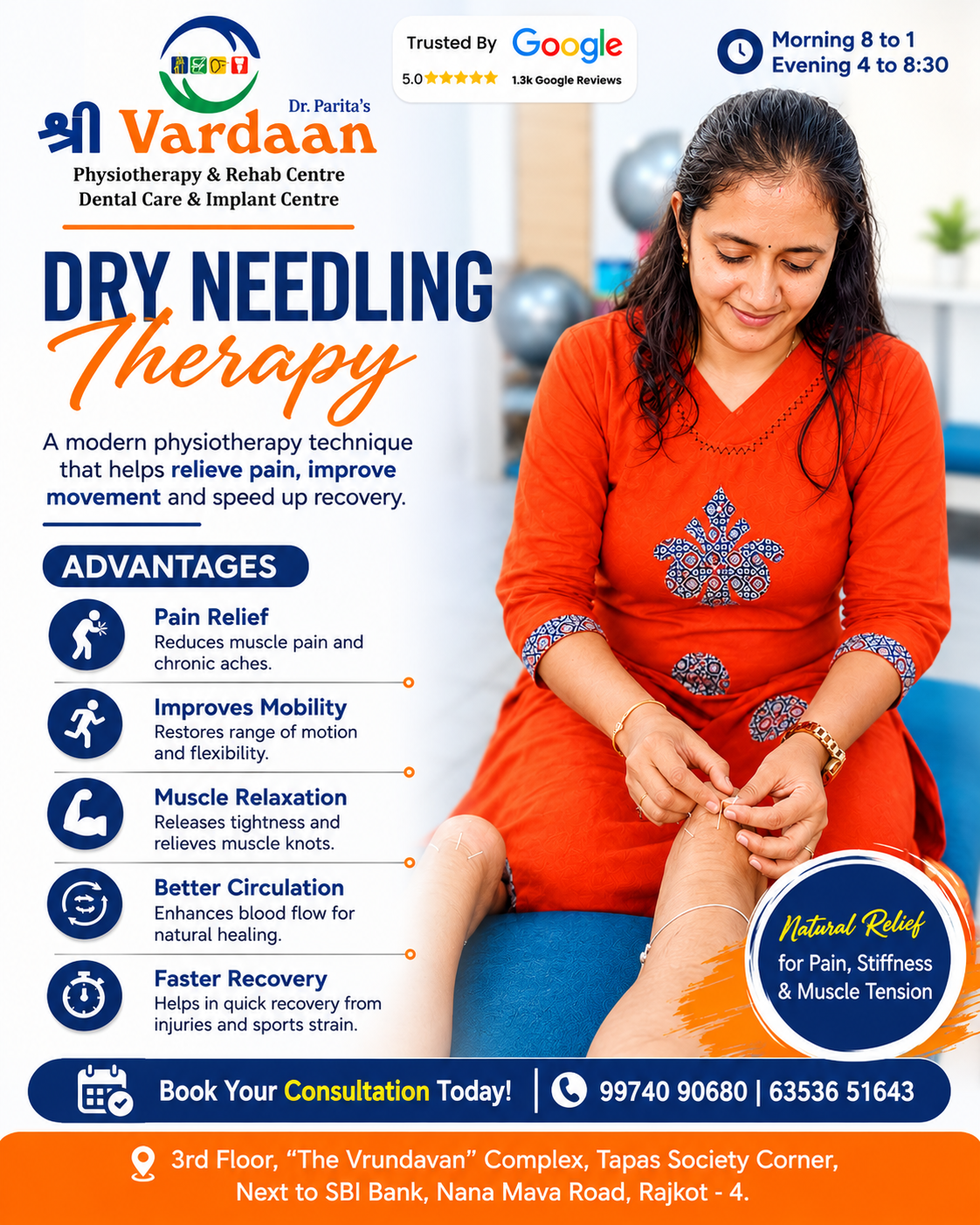
Dry-Needling-Therapy--Benefits--Uses---How-It-Helps-Relieve-Muscle-Pain Dry Needling Therapy Benefits Uses How It Helps Relieve Muscle Pain <p>Muscle pain, stiffness, and limited movement can affect everyday activities and reduce your quality of life. Whether caused by poor posture, muscle overuse, sports injuries, or long working hours, muscle discomfort can make even simple movements difficult.</p> <p>Dry Needling Therapy is a modern physiotherapy technique used to help manage muscle pain, reduce muscle tension, and improve movement. It involves inserting thin, sterile needles into specific areas of muscle, commonly known as trigger points, to help release muscular tightness.</p> <p>When performed by a trained and qualified physiotherapist, dry needling may be used as part of a personalized physiotherapy treatment plan to support pain management and functional recovery.</p> <h3><strong>What Is Dry Needling Therapy?</strong></h3> <p>Dry Needling Therapy is a physiotherapy treatment technique that uses thin, sterile, solid needles to target sensitive areas or trigger points within muscles.</p> <p>These trigger points are tight or irritated areas of muscle that may cause localized pain or discomfort in other parts of the body.</p> <p>Unlike acupuncture, which is based on traditional Chinese medicine principles, dry needling is generally based on modern anatomical and musculoskeletal assessment.</p> <p>The main purpose of dry needling is to help reduce muscle-related discomfort, improve muscle function, and support better movement.</p> <h3><strong>Top Benefits of Dry Needling Therapy</strong></h3> <p>Dry Needling Therapy may provide several benefits when used appropriately as part of a comprehensive physiotherapy treatment plan.</p> <p><strong>1. Helps Relieve Muscle Pain</strong></p> <p>Dry needling may help reduce pain associated with muscular trigger points and tightness. It can be useful for individuals experiencing muscle discomfort due to overuse, physical activity, or prolonged sitting.</p> <p><strong>2. Improves Mobility and Flexibility</strong></p> <p>Muscle tightness can restrict normal movement and flexibility. Dry needling may help reduce muscular tension, making it easier for some individuals to move comfortably.</p> <p><strong>3. Promotes Muscle Relaxation</strong></p> <p>Targeting specific trigger points may help reduce the feeling of muscle tightness and support relaxation in affected muscles.</p> <p><strong>4. Supports Better Blood Circulation</strong></p> <p>Dry needling may produce localized physiological responses around the treated area. These responses can influence local blood flow, although improved circulation should not be considered a guaranteed treatment outcome.</p> <p><strong>5. Helps Manage Muscle Stiffness</strong></p> <p>People who experience stiffness due to poor posture, repetitive movements, or muscle overuse may benefit from dry needling as part of a broader treatment approach.</p> <p><strong>6. Supports Sports Injury Rehabilitation</strong></p> <p>Athletes and physically active individuals may experience muscle soreness and tightness after intense physical activity. Dry needling may be used alongside rehabilitation exercises to help manage muscular discomfort and support recovery.</p> <h3><strong>Common Conditions Treated with Dry Needling Therapy</strong></h3> <p>Dry Needling Therapy is commonly used by physiotherapists as a complementary treatment for certain musculoskeletal conditions, including:</p> <p>- Neck pain and stiffness<br /> - Shoulder muscle tension<br /> - Lower back muscle pain<br /> - Upper back discomfort<br /> - Muscle trigger points<br /> - Sports-related muscle soreness<br /> - Muscle tightness and stiffness<br /> - Certain tension-related headaches</p> <p>The suitability of dry needling depends on the individual&#39;s symptoms, medical history, and physical assessment.</p> <h3><strong>How Does Dry Needling Therapy Work?</strong></h3> <p>Dry needling involves inserting a thin, sterile needle into selected trigger points or affected muscle areas.</p> <p>The treatment generally follows these steps:</p> <p><strong>1. Initial Assessment</strong></p> <p>The physiotherapist evaluates your symptoms, muscle condition, medical history, and movement limitations.</p> <p><strong>2. Identifying Trigger Points</strong></p> <p>Specific tight or sensitive areas within the muscles are identified.</p> <p><strong>3. Needle Insertion</strong></p> <p>A thin, sterile needle is carefully inserted into the selected area using an appropriate technique.</p> <p><strong>4. Muscle Response</strong></p> <p>The needle may produce a local muscle response, such as a brief twitch, depending on the technique and individual response.</p> <p><strong>5. Post-Treatment Guidance</strong></p> <p>The physiotherapist may recommend suitable exercises, stretching, and movement techniques.</p> <p>The number of sessions depends on the individual&#39;s condition, treatment goals, and response to therapy.</p> <h3><strong>Is Dry Needling Therapy Painful?</strong></h3> <p>Dry needling is generally well tolerated, although the experience can vary from person to person.</p> <p>Some individuals may feel a slight prick, pressure, temporary muscle twitch, or mild soreness during or after treatment.</p> <p>Mild muscle soreness may occur for approximately 24&ndash;48 hours. Your physiotherapist should explain the procedure and discuss any concerns before starting treatment.</p> <h3><strong>Is Dry Needling Therapy Safe?</strong></h3> <p>Dry Needling Therapy is generally considered safe when performed by a properly trained and qualified healthcare professional using sterile, single-use needles and appropriate safety procedures.</p> <p>However, some temporary side effects may include:</p> <p>- Mild muscle soreness<br /> - Temporary bruising<br /> - Minor bleeding at the needle insertion site<br /> - Temporary fatigue<br /> - Occasional dizziness</p> <p>Rare but serious complications, such as infection or pneumothorax (collapsed lung), can occur depending on the treatment area and technique.</p> <p>Dry needling may not be suitable for everyone. People with bleeding disorders, certain medical conditions, needle-related anxiety, or other health concerns should discuss their suitability with a healthcare professional before treatment.</p> <h3><strong>Dry Needling Therapy Alongside Physiotherapy</strong></h3> <p>Dry needling is often used as a complementary technique rather than a standalone treatment. Combining it with other physiotherapy approaches may help address the underlying causes of muscle discomfort and movement limitations.</p> <p>Depending on the patient&#39;s condition, a physiotherapist may recommend:</p> <p>- Therapeutic exercises<br /> - Muscle strengthening exercises<br /> - Stretching and flexibility training<br /> - Posture correction<br /> - Manual therapy<br /> - Mobility and movement training</p> <p>A personalized physiotherapy program can help improve muscle function, restore movement, and support long-term physical health.</p> <h3><strong>Who Can Benefit from Dry Needling Therapy?</strong></h3> <p>Dry needling may be considered for individuals experiencing certain types of muscular pain and tightness, including:</p> <p>- People with neck and shoulder muscle tension<br /> - Individuals experiencing lower back muscle discomfort<br /> - Athletes with sports-related muscle soreness<br /> - People with muscle stiffness due to repetitive activities<br /> - Individuals experiencing trigger point-related pain</p> <p>A proper assessment by a qualified physiotherapist is important to determine whether dry needling is suitable for your condition.</p> <h3><strong>Frequently Asked Questions (FAQs) About Dry Needling Therapy</strong></h3> <p><strong>1. What Is Dry Needling Therapy Used For?</strong></p> <p>Dry needling therapy is commonly used to help manage muscular pain, trigger points, muscle tightness, and movement restrictions. It is often included in physiotherapy treatment plans.</p> <p><strong>2. What Are the Main Benefits of Dry Needling Therapy?</strong></p> <p>The potential benefits include temporary relief from muscle pain, reduced muscle tension, improved mobility, and support for musculoskeletal rehabilitation.</p> <p><strong>3. Does Dry Needling Help Relieve Muscle Pain?</strong></p> <p>Yes, dry needling may help reduce certain types of muscle pain, particularly pain associated with trigger points. Results vary depending on the individual&#39;s condition and response to treatment.</p> <p><strong>4. Is Dry Needling the Same as Acupuncture?</strong></p> <p>No. Although both techniques use thin needles, they have different treatment principles and approaches. Dry needling generally targets muscular trigger points and is based on modern musculoskeletal assessment, while acupuncture follows traditional Chinese medicine principles.</p> <p><strong>5. How Long Does a Dry Needling Therapy Session Take?</strong></p> <p>A dry needling session may take approximately 15&ndash;30 minutes, depending on the treatment area, assessment, and overall physiotherapy plan.</p> <p><strong>6. How Many Dry Needling Sessions Are Needed?</strong></p> <p>The number of sessions varies depending on the individual&#39;s condition, pain levels, treatment goals, and response to therapy. A physiotherapist can recommend an appropriate treatment schedule.</p> <p><strong>7. Is Dry Needling Therapy Painful?</strong></p> <p>Most people experience a slight prick, pressure, or temporary muscle twitch during treatment. Mild soreness may occur afterward, but the experience varies between individuals.</p> <p><strong>8. What Should I Do After Dry Needling Therapy?</strong></p> <p>Follow your physiotherapist&#39;s instructions. You may be advised to stay hydrated, perform gentle movements, avoid strenuous activity for a short period if needed, and follow a suitable exercise routine.</p> <p><strong>9. Can Dry Needling Help with Back and Neck Pain?</strong></p> <p>Dry needling may help manage certain types of muscular discomfort associated with neck and back pain. However, treatment should be based on an individual assessment to identify the underlying cause.</p> <p><strong>10. Is Dry Needling Therapy Safe for Everyone?</strong></p> <p>No. Dry needling is not suitable for everyone. People with bleeding disorders, certain medical conditions, or other risk factors should consult a qualified healthcare professional before considering treatment.</p> <h3><strong>Conclusion</strong></h3> <p>Dry Needling Therapy is a modern physiotherapy technique that may help manage muscle pain, reduce muscular tightness, and support improved mobility. It can be particularly useful as a complementary treatment for individuals experiencing trigger point-related discomfort and certain musculoskeletal conditions.</p> <p>However, its effectiveness varies depending on the individual&#39;s condition, and it should be combined with appropriate rehabilitation strategies when necessary.</p> <p>At Dr. Parita&#39;s Shri Vardaan Physiotherapy &amp; Rehab Centre, patients can consult qualified professionals for personalized physiotherapy guidance and treatment options. A proper assessment can help determine the most suitable approach to managing muscle discomfort and improving movement and overall physical well-being.</p>

Dry Needling Therapy Benefits Uses How It Helps Relieve Muscle Pain

2026-11-04 01:59:09

Muscle pain, stiffness, and limited movement can affect everyday activities and reduce your quality of life. Whether caused by poor posture, muscle overuse, sports injuries, or long working hours, muscle discomfort can make even simple movements difficult.

Dry Needling Therapy is a modern physiotherapy technique used to help manage muscle pain, reduce muscle tension, and improve movem
Read more
Cupping-Therapy--Benefits--Uses---How-It-Helps-Relieve-Muscle-Pain Cupping Therapy Benefits Uses How It Helps Relieve Muscle Pain <p>Cupping therapy is a traditional treatment technique that has gained popularity in modern wellness and physiotherapy practices. It involves placing special cups on the skin to create gentle suction. This suction lifts the skin and underlying tissues, which may help improve local blood circulation, reduce muscle tightness, and promote relaxation.</p> <p>Many people consider cupping therapy for muscle soreness, back pain, neck stiffness, and physical discomfort. When performed by a trained professional, it can be used as a complementary approach alongside physiotherapy and other appropriate treatments.</p> <h3><strong>What Is Cupping Therapy?</strong></h3> <p>Cupping therapy is a treatment technique in which cups made of silicone, glass, or plastic are placed on specific areas of the body. A vacuum effect is created inside the cups, gently pulling the skin upward.</p> <p>There are different types of cupping therapy, including:</p> <p>- Dry Cupping:&nbsp;Uses suction without making cuts or drawing blood.<br /> - Wet Cupping:&nbsp;Involves superficial skin incisions followed by suction and should only be performed by appropriately trained and qualified professionals.<br /> - Moving Cupping:&nbsp;The cups are moved gently over the skin using oil or lotion to create a massage-like effect.</p> <p>The appropriate technique depends on the individual&#39;s condition, comfort, and treatment requirements.</p> <h3><strong>Top Benefits of Cupping Therapy</strong></h3> <p>Cupping therapy may offer several benefits when used appropriately as part of a personalized treatment plan.</p> <p><strong>1. Helps Relieve Muscle Pain</strong></p> <p>Cupping therapy may help reduce muscle tightness and temporary soreness. The suction effect stimulates the skin and underlying tissues, which may provide relief from certain types of muscular discomfort.</p> <p><strong>2. Supports Local Blood Circulation</strong></p> <p>The suction created by cupping increases blood flow to the treated area temporarily. This may support local circulation and help promote relaxation in tight muscles.</p> <p><strong>3. Promotes Relaxation and Reduces Stress</strong></p> <p>Many people find cupping therapy relaxing. The treatment may help ease muscle tension and create a sense of physical comfort and relaxation.</p> <p><strong>4. May Improve Mobility and Flexibility</strong></p> <p>Muscle stiffness can make everyday movements uncomfortable. Cupping therapy may help some individuals feel less restricted, potentially supporting mobility when combined with suitable stretching and physiotherapy exercises.</p> <p><strong>5. Supports Recovery After Physical Activity</strong></p> <p>People who participate in sports or regular physical activities may experience muscle soreness and fatigue. Cupping therapy may help manage perceived muscle soreness, although evidence for faster recovery is limited.</p> <p><strong>6. May Support Better Sleep</strong></p> <p>By promoting relaxation and reducing muscle discomfort, cupping therapy may help some people feel more comfortable before bedtime. However, it is not a proven treatment for sleep disorders.</p> <h3><strong>Common Uses of Cupping Therapy</strong></h3> <p>Cupping therapy is commonly considered as a complementary treatment for:</p> <p>- Muscle tightness and soreness<br /> - Neck and shoulder discomfort<br /> - Back muscle tension<br /> - Sports-related muscle soreness<br /> - General physical stiffness<br /> - Relaxation and wellness support</p> <p>The suitability of cupping therapy depends on the individual&#39;s health condition and should be assessed by a qualified healthcare professional.</p> <h3><strong>How Does Cupping Therapy Work?</strong></h3> <p>During cupping therapy, a trained professional places cups on selected areas of the body. Suction is created using a suitable technique, gently lifting the skin and underlying tissues.</p> <p>The cups are generally left in place for a few minutes, depending on the treatment approach and individual comfort.</p> <p>After the cups are removed, temporary circular marks may appear on the skin. These marks are common and usually fade over several days to two weeks.</p> <h3><strong>Is Cupping Therapy Safe?</strong></h3> <p>Cupping therapy is generally considered low risk when performed correctly by a trained professional using appropriate hygiene and safety practices.</p> <p>However, possible side effects include:</p> <p>- Temporary circular marks or skin discoloration<br /> - Mild soreness or tenderness<br /> - Skin irritation<br /> - Burns, particularly with improper fire cupping<br /> - Infection or scarring, especially with wet cupping</p> <p>Cupping may not be suitable for people with certain skin conditions, bleeding disorders, or other medical concerns. Pregnant individuals and people taking blood-thinning medication should consult their healthcare professional before considering treatment.</p> <p>It is important to remember that cupping therapy should not replace medical diagnosis or evidence-based treatment.</p> <h3><strong>Cupping Therapy Alongside Physiotherapy</strong></h3> <p>Cupping therapy may be used as a complementary technique within a broader physiotherapy treatment plan. Depending on the patient&#39;s needs, a physiotherapist may combine it with:</p> <p>- Therapeutic exercises<br /> - Stretching and mobility training<br /> - Manual therapy<br /> - Posture correction<br /> - Strengthening exercises</p> <p>A personalized treatment approach can help address the underlying causes of discomfort rather than focusing only on temporary symptom relief.</p> <h3><strong>Frequently Asked Questions (FAQs) About Cupping Therapy</strong></h3> <p><strong>1. What Is Cupping Therapy Used For?</strong></p> <p>Cupping therapy is commonly used as a complementary treatment to help manage muscle tightness, soreness, back discomfort, neck stiffness, and general physical tension.</p> <p><strong>2. What Are the Main Benefits of Cupping Therapy?</strong></p> <p>The potential benefits of cupping therapy include temporary relief from muscle soreness, improved local blood circulation, relaxation, and reduced feelings of muscle tightness.</p> <p><strong>3. Does Cupping Therapy Help Relieve Muscle Pain?</strong></p> <p>Cupping therapy may help some people experience temporary relief from muscle pain and tension. Results vary depending on the individual&#39;s condition and treatment requirements.</p> <p><strong>4. How Long Does a Cupping Therapy Session Take?</strong></p> <p>A typical cupping therapy session may take around 15&ndash;30 minutes, depending on the treatment area, technique, and individual needs.</p> <p><strong>5. How Long Do Cupping Marks Last?</strong></p> <p>Cupping may leave temporary circular marks on the skin. These marks generally fade within several days to two weeks, although the duration varies from person to person.</p> <p><strong>6. Is Cupping Therapy Painful?</strong></p> <p>Most people experience a pulling or tight sensation during cupping therapy rather than pain. The treatment should remain comfortable, and the therapist should adjust the suction if discomfort occurs.</p> <p><strong>7. Is Cupping Therapy Safe for Everyone?</strong></p> <p>Cupping therapy is not suitable for everyone. People with certain skin conditions, bleeding disorders, or other medical concerns should consult a qualified healthcare professional before treatment.</p> <p><strong>8. Can Cupping Therapy Improve Mobility and Flexibility?</strong></p> <p>Cupping therapy may help reduce the feeling of muscle tightness in some individuals. When combined with stretching and physiotherapy exercises, it may support comfortable movement.</p> <p><strong>9. How Often Should You Get Cupping Therapy?</strong></p> <p>The recommended frequency depends on your health condition, treatment goals, and response to therapy. A qualified physiotherapist can suggest an appropriate treatment schedule.</p> <p><strong>10. Can Cupping Therapy Be Combined with Physiotherapy?</strong></p> <p>Yes. Cupping therapy may be included as a complementary technique alongside physiotherapy exercises, stretching, and other suitable treatments, depending on the patient&#39;s condition.</p> <h3><strong>Conclusion</strong></h3> <p>Cupping therapy is a traditional treatment technique that may help some individuals manage muscle tightness, soreness, and physical discomfort. It may also promote relaxation and support mobility when combined with appropriate physiotherapy treatment.</p> <p>However, its effectiveness varies from person to person, and scientific evidence for many claimed benefits remains limited. Consulting a qualified physiotherapist or healthcare professional can help determine whether cupping therapy is appropriate for your needs.</p> <p>At Dr. Parita&#39;s Shri Vardaan Physiotherapy &amp; Rehab Centre, patients can consult experienced professionals for personalized physiotherapy guidance and treatment options to support better movement, comfort, and overall well-being.</p>

Cupping Therapy Benefits Uses How It Helps Relieve Muscle Pain

2026-11-04 01:57:58

Cupping therapy is a traditional treatment technique that has gained popularity in modern wellness and physiotherapy practices. It involves placing special cups on the skin to create gentle suction. This suction lifts the skin and underlying tissues, which may help improve local blood circulation, reduce muscle tightness, and promote relaxation.

Many people consider cupping therapy fo
Read more
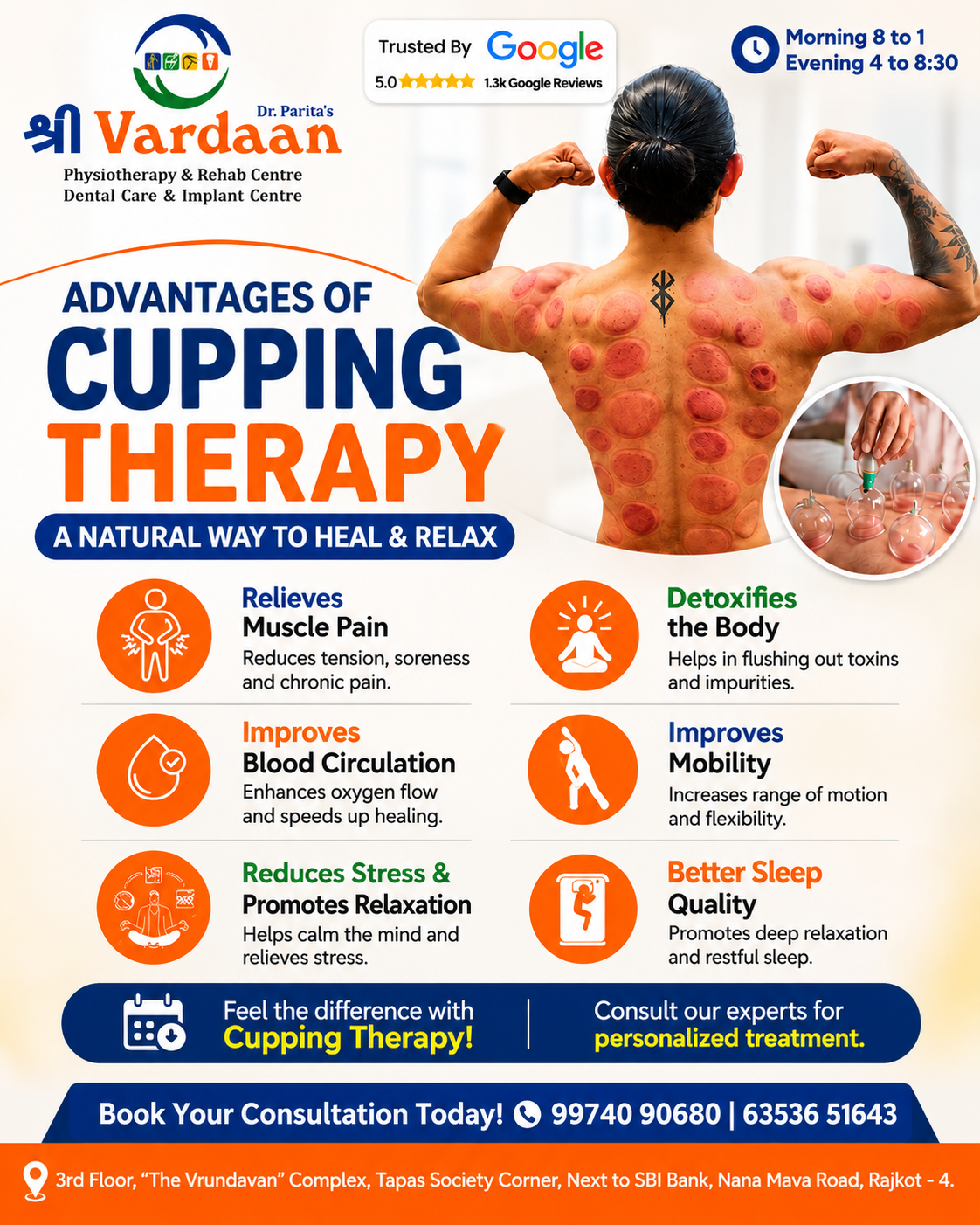
Posture-Correction--Benefits---Physiotherapy-Treatment Posture Correction Benefits Physiotherapy Treatment <p>Good posture plays an important role in maintaining a healthy and active lifestyle. Whether you are sitting at a desk, walking, standing, or using your mobile phone, your body posture can affect your comfort and movement.</p> <p>Poor posture, such as forward head positioning, rounded shoulders, and incorrect sitting habits, may contribute to muscle strain, neck discomfort, and back pain.</p> <p>Spending long hours on computers, excessive mobile phone usage, and limited physical activity are some common factors that can affect body posture.</p> <p>The good news is that posture correction exercises, healthy daily habits, and professional physiotherapy guidance can help improve postural control and support better body alignment.</p> <p>In this blog, we will explore the importance of good posture, common causes of poor posture, its benefits, and how physiotherapy can help improve your posture.</p> <p><strong>What Is Posture Correction?</strong></p> <p>Posture correction refers to improving the alignment and positioning of your body while sitting, standing, walking, and performing daily activities.</p> <p>Good posture helps maintain a comfortable balance between your head, neck, shoulders, spine, and other body parts.</p> <p>When your body remains in an uncomfortable position for extended periods, certain muscles may experience additional stress.</p> <p>Posture correction focuses on identifying these habits and developing better movement patterns through appropriate exercises, muscle strengthening, and ergonomic adjustments.</p> <h3><strong>Common Causes of Poor Posture</strong></h3> <p>Several daily habits and physical factors can contribute to poor body posture.</p> <p><strong>1. Prolonged Mobile Phone Usage</strong></p> <p>Frequently looking down at your mobile phone may contribute to forward head posture and increased stress on neck muscles.</p> <p><strong>2. Long Hours of Sitting</strong></p> <p>Sitting continuously for extended periods, especially without proper back support, may contribute to rounded shoulders and poor spinal positioning.</p> <p><strong>3. Incorrect Working Position</strong></p> <p>An improperly arranged workstation, low computer screen, or unsuitable chair can encourage uncomfortable neck and back positions.</p> <p><strong>4. Weak Neck and Back Muscles</strong></p> <p>Reduced muscle strength and endurance may make it difficult to maintain a comfortable body position throughout the day.</p> <p><strong>5. Lack of Physical Activity</strong></p> <p>Limited movement and prolonged inactivity can contribute to muscle stiffness and reduced flexibility.</p> <p><strong>6. Incorrect Sleeping Habits</strong></p> <p>Unsuitable sleeping positions and inadequate pillow support may contribute to neck and shoulder discomfort.</p> <h3><strong>Common Signs and Symptoms of Poor Posture</strong></h3> <p>Poor posture can affect different parts of the body and may lead to discomfort during everyday activities.</p> <p>Some common signs include:</p> <p>- Forward head positioning.<br /> - Rounded or hunched shoulders.<br /> - Uneven shoulder alignment.<br /> - Neck stiffness and discomfort.<br /> - Upper and lower back discomfort.<br /> - Muscle tightness around the neck and shoulders.<br /> - Difficulty maintaining a comfortable sitting position.<br /> - Reduced flexibility and movement comfort.</p> <p>If these symptoms persist or interfere with your daily activities, consider consulting a qualified healthcare professional.</p> <h3><strong>Benefits of Posture Correction</strong></h3> <p>Maintaining proper body posture can support better movement, comfort, and physical function.</p> <p>Here are some important benefits of posture correction:</p> <p><strong>1. Supports Better Neck Alignment</strong></p> <p>Maintaining a comfortable head and neck position can help reduce unnecessary muscular stress and support better alignment.</p> <p><strong>2. Helps Reduce Muscle Strain</strong></p> <p>Good posture and appropriate movement habits may help distribute physical stress more comfortably across the muscles and joints.</p> <p><strong>3. Improves Body Alignment</strong></p> <p>Posture correction exercises help develop better awareness of head, shoulder, and spinal positioning.</p> <p><strong>4. Supports Comfortable Movement</strong></p> <p>Improving flexibility, strength, and postural control can make everyday movements more comfortable.</p> <p><strong>5. Encourages Better Sitting and Standing Habits</strong></p> <p>Posture awareness helps you maintain comfortable positions while working, studying, walking, and performing daily activities.</p> <p><strong>6. Supports Overall Physical Well-Being</strong></p> <p>Combining healthy posture habits with regular physical activity can support long-term movement and physical health.</p> <h3><strong>How Can Physiotherapy Help with Posture Correction?</strong></h3> <p>Physiotherapy plays an important role in identifying postural problems and developing an appropriate treatment plan.</p> <p>A qualified physiotherapist evaluates your body alignment, muscle strength, flexibility, movement patterns, and daily habits before recommending personalized treatment.</p> <p>Common physiotherapy approaches include:</p> <p><strong>1. Posture Assessment</strong></p> <p>A physiotherapist examines your head, neck, shoulder, and spinal alignment to identify postural concerns.</p> <p><strong>2. Therapeutic Exercises</strong></p> <p>Specific exercises help improve flexibility, muscle control, and movement patterns.</p> <p><strong>3. Muscle Strengthening</strong></p> <p>Strengthening exercises for the neck, shoulders, back, and core muscles can help improve postural support.</p> <p><strong>4. Stretching Exercises</strong></p> <p>Appropriate stretching may help manage muscle tightness and improve flexibility.</p> <p><strong>5. Manual Therapy</strong></p> <p>Depending on your condition, a physiotherapist may use suitable hands-on techniques to improve mobility and manage stiffness.</p> <p><strong>6. Ergonomic Guidance</strong></p> <p>Physiotherapists can recommend adjustments to your workstation, sitting position, and daily activities to support better posture.</p> <p><strong>7. Personalized Rehabilitation</strong></p> <p>A personalized rehabilitation program focuses on your individual needs, postural concerns, and movement goals.</p> <h3><strong>Simple Exercises for Better Posture</strong></h3> <p>Regular movement and appropriate exercises can help improve postural awareness and muscle function.</p> <p>Some commonly recommended exercises include:</p> <p><strong>1. Chin Tucks</strong></p> <p>Gently move your chin backwards while keeping your head level. This exercise may help improve neck muscle control.</p> <p><strong>2. Shoulder Rolls</strong></p> <p>Slowly move your shoulders forward and backward to encourage comfortable shoulder movement.</p> <p><strong>3. Wall Posture Exercise</strong></p> <p>Stand comfortably against a wall and become aware of your head, upper back, and shoulder positioning without forcing your body into an uncomfortable position.</p> <p><strong>4. Shoulder Blade Squeezes</strong></p> <p>Gently bring your shoulder blades towards each other and hold briefly before relaxing.</p> <p><strong>5. Upper Back Stretching</strong></p> <p>Appropriate upper back stretches may help improve flexibility and reduce muscle tightness.</p> <p><strong>6. Core Strengthening Exercises</strong></p> <p>Exercises that strengthen the abdominal and back muscles can help support comfortable body positioning.</p> <p>Always perform exercises according to your physical condition and professional guidance. Stop if any exercise causes pain or discomfort.</p> <h3><strong>Daily Tips to Maintain Good Posture</strong></h3> <p>Small changes in your daily routine can help support better posture.</p> <p>- Keep your ears comfortably aligned over your shoulders.<br /> - Avoid looking down at your mobile phone for extended periods.<br /> - Maintain an ergonomic workstation.<br /> - Keep your computer screen close to eye level.<br /> - Avoid sitting continuously for long hours.<br /> - Take regular movement breaks.<br /> - Choose a comfortable sleeping position.<br /> - Stay physically active.<br /> - Follow recommended stretching and strengthening exercises.</p> <p>Remember, good posture does not mean keeping your body stiff. It means maintaining comfortable alignment and changing positions regularly.</p> <h3><strong>When Should You Consult a Physiotherapist?</strong></h3> <p>Consider consulting a physiotherapist if:</p> <p>- You frequently experience neck or back discomfort.<br /> - Your shoulders appear rounded or hunched.<br /> - You have difficulty maintaining a comfortable sitting position.<br /> - You experience regular muscle stiffness.<br /> - Poor posture affects your daily activities.<br /> - You notice persistent changes in your body alignment.</p> <p>A professional assessment can help identify the underlying factors and guide an appropriate physiotherapy program.</p> <h3><strong>Frequently Asked Questions (FAQs)</strong></h3> <p><strong>1. What is the importance of posture correction?</strong></p> <p>Posture correction helps improve body alignment, postural awareness, and movement habits. It may also help reduce unnecessary muscle strain associated with poor posture.</p> <p><strong>2. Can poor posture cause neck and back pain?</strong></p> <p>Yes. Poor posture may contribute to additional stress on the muscles and joints around the neck and back, potentially leading to discomfort and stiffness.</p> <p><strong>3. How can I improve my body posture naturally?</strong></p> <p>You can support better posture by maintaining an ergonomic workstation, taking regular breaks, staying physically active, and performing appropriate strengthening and stretching exercises.</p> <p><strong>4. Can physiotherapy help correct poor posture?</strong></p> <p>Yes. Physiotherapy can help improve postural control through personalized exercises, muscle strengthening, flexibility training, and ergonomic guidance.</p> <p><strong>5. How long does posture correction take?</strong></p> <p>The time required varies from person to person. It depends on the individual&#39;s postural concerns, muscle strength, daily habits, and consistency with the recommended exercise program.</p> <p><strong>6. Which exercises are best for posture correction?</strong></p> <p>Chin tucks, shoulder blade squeezes, wall posture exercises, upper back stretches, and core strengthening exercises may help improve postural awareness and muscle function.</p> <p><strong>7. Can using a mobile phone affect body posture?</strong></p> <p>Yes. Looking down at a mobile phone for extended periods may contribute to forward head positioning and neck discomfort. Keeping your phone closer to eye level can help.</p> <p><strong>8. When should I seek physiotherapy for poor posture?</strong></p> <p>Consider consulting a physiotherapist if poor posture is associated with persistent neck or back discomfort, muscle stiffness, or difficulty performing daily activities.</p> <h3><strong>Conclusion</strong></h3> <p>Good posture is an important part of maintaining comfortable movement and overall physical well-being. Daily habits such as prolonged sitting, excessive mobile phone usage, incorrect working positions, and limited physical activity may contribute to poor posture.</p> <p>Posture correction through appropriate exercises, muscle strengthening, ergonomic adjustments, and professional physiotherapy guidance can help improve postural control and support better body alignment.</p> <p>Remember, developing good posture takes time and consistency. Small improvements in your daily habits can make a positive difference in how you sit, stand, walk, and move.</p> <p>Right Posture, Stronger You! Take the First Step Towards Better Posture and Healthier Movement Today.</p>

Posture Correction Benefits Physiotherapy Treatment

2026-11-04 00:18:31

Good posture plays an important role in maintaining a healthy and active lifestyle. Whether you are sitting at a desk, walking, standing, or using your mobile phone, your body posture can affect your comfort and movement.

Poor posture, such as forward head positioning, rounded shoulders, and incorrect sitting habits, may contribute to muscle strain, neck discomfort, and back pain.


Read more
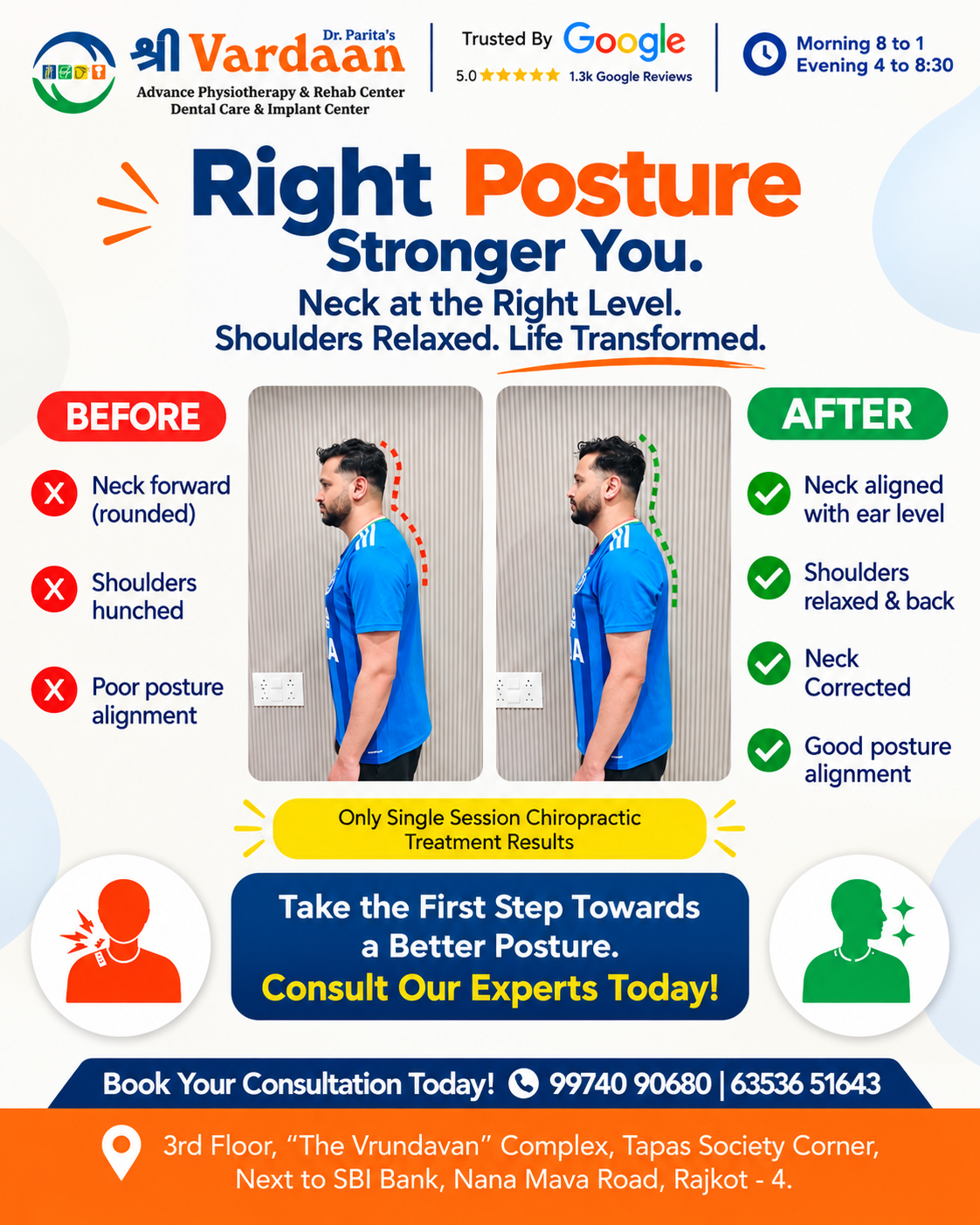
Say-Goodbye-to-Neck-Pain--Posture-Correction---Physiotherapy Say Goodbye to Neck Pain Posture Correction Physiotherapy <p>Neck pain is a common problem that affects people of different age groups. Spending long hours on mobile phones, working on computers, maintaining incorrect sitting positions, and limited physical activity can contribute to neck discomfort and muscle stiffness.</p> <p>Poor posture, especially forward head posture, is one of the common factors associated with neck pain. When your head moves forward instead of staying naturally aligned with your shoulders, it may increase stress on your neck muscles.</p> <p>The good news is that proper posture correction, regular exercises, and professional physiotherapy guidance can help manage neck discomfort and improve daily movement.</p> <p>In this blog, we will explore the common causes of neck pain, the importance of posture correction, and how physiotherapy can help you maintain better neck health.</p> <h3><strong>What Is Neck Pain?</strong></h3> <p>Neck pain refers to discomfort, stiffness, or soreness in the cervical spine, which connects your head to your upper back.</p> <p>It can develop gradually due to poor posture, muscle strain, prolonged screen time, or certain cervical spine conditions.</p> <p>Neck pain may affect your ability to turn your head, work comfortably, sleep properly, and perform everyday activities.</p> <p>Early attention to neck discomfort and proper professional guidance can help prevent symptoms from affecting your daily routine.</p> <h3><strong>Common Causes of Neck Pain</strong></h3> <p>Several factors can contribute to neck pain and poor posture. Some common causes include:</p> <p><strong>1. Forward Head Posture</strong></p> <p>Forward head posture occurs when your head moves forward in relation to your shoulders. This position may increase stress on the neck muscles, especially when maintained for long periods.</p> <p><strong>2. Excessive Mobile Phone Usage</strong></p> <p>Frequently looking down at your smartphone can place additional stress on your neck. This is sometimes called text neck.</p> <p><strong>3. Incorrect Sitting Position</strong></p> <p>Sitting with rounded shoulders, a bent neck, or inadequate back support for extended periods may contribute to neck discomfort.</p> <p><strong>4. Muscle Strain and Stiffness</strong></p> <p>Overusing neck muscles, repetitive movements, and maintaining the same position for too long can lead to muscle tightness and discomfort.</p> <p><strong>5. Poor Sleeping Position</strong></p> <p>An unsuitable pillow or uncomfortable sleeping position may contribute to neck stiffness, particularly after waking up.</p> <p><strong>6. Lack of Physical Activity</strong></p> <p>Limited movement and prolonged sitting can contribute to reduced flexibility and muscle stiffness around the neck and shoulders.</p> <h3><strong>Common Symptoms of Neck Pain and Poor Posture</strong></h3> <p>Neck pain can affect individuals differently depending on its cause and severity.</p> <p>Some common symptoms include:</p> <p>- Pain or stiffness around the neck.<br /> - Forward head positioning.<br /> - Rounded or hunched shoulders.<br /> - Tightness in the neck and upper back.<br /> - Difficulty turning or moving the head.<br /> - Headaches associated with neck problems.<br /> - Shoulder discomfort and muscle tension.<br /> - Reduced neck mobility.</p> <p>If you experience persistent numbness, tingling, or weakness in your arms or hands, consult a qualified healthcare professional.</p> <h3><strong>How Can Physiotherapy Help Relieve Neck Pain?</strong></h3> <p>Physiotherapy plays an important role in managing neck pain, improving mobility, and supporting better posture.</p> <p>A qualified physiotherapist assesses your neck movement, muscle strength, flexibility, and posture before recommending a personalized treatment plan.</p> <p>Common physiotherapy approaches include:</p> <p><strong>1. Posture Assessment and Correction</strong></p> <p>A physiotherapist evaluates your sitting, standing, and head positioning to identify postural habits that may contribute to neck discomfort.</p> <p><strong>2. Therapeutic Exercises</strong></p> <p>Specific exercises can help improve neck flexibility, movement, and muscle control.</p> <p><strong>3. Muscle Strengthening</strong></p> <p>Strengthening the neck, shoulder, and upper back muscles can improve muscular support and help maintain a comfortable posture.</p> <p><strong>4. Manual Therapy</strong></p> <p>Depending on your condition, a physiotherapist may use appropriate hands-on techniques to improve movement and manage muscle stiffness.</p> <p><strong>5. Personalized Rehabilitation</strong></p> <p>A personalized physiotherapy program focuses on your individual symptoms, movement limitations, and recovery goals.</p> <h3><strong>Key Benefits of Posture Correction and Physiotherapy</strong></h3> <p>Maintaining better posture and following an appropriate physiotherapy program can offer several benefits.</p> <p><strong>1. Helps Manage Neck Pain</strong></p> <p>Posture correction and therapeutic exercises may help reduce unnecessary stress on neck muscles and improve comfort.</p> <p><strong>2. Improves Postural Alignment</strong></p> <p>Posture training helps develop better head, neck, and shoulder positioning during everyday activities.</p> <p><strong>3. Reduces Muscle Stiffness</strong></p> <p>Appropriate stretching and movement exercises can help improve flexibility and manage muscle tightness.</p> <p><strong>4. Increases Mobility and Comfort</strong></p> <p>Neck mobility exercises and strengthening activities can help improve movement and make daily activities more comfortable.</p> <p><strong>5. Supports Better Daily Movement</strong></p> <p>Developing healthy movement habits can help reduce prolonged strain during working, studying, and other daily activities.</p> <h3><strong>Simple Tips to Maintain Good Neck Posture</strong></h3> <p>Small changes in your daily routine can make a difference in supporting better neck health.</p> <p><strong>1. Keep Your Ears Over Your Shoulders</strong></p> <p>Try to maintain a comfortable head position instead of allowing your head to move too far forward.</p> <p><strong>2. Avoid Prolonged Phone Use</strong></p> <p>Keep your mobile phone closer to eye level and avoid looking down for extended periods.</p> <p><strong>3. Maintain an Ergonomic Workstation</strong></p> <p>Adjust your computer screen to a comfortable eye level. Use a supportive chair and maintain a relaxed sitting position.</p> <p><strong>4. Take Regular Breaks</strong></p> <p>Avoid sitting continuously for long hours. Stand up, move around, and change your position regularly.</p> <p><strong>5. Perform Gentle Neck Stretches</strong></p> <p>Follow appropriate neck mobility and stretching exercises recommended by your physiotherapist.</p> <p><strong>6. Maintain an Active Lifestyle</strong></p> <p>Regular physical activity and appropriate strengthening exercises can support better muscle function and movement.</p> <p>Remember that exercises should be selected according to your individual condition. Avoid movements that increase your pain.</p> <h3><strong>When Should You Consult a Physiotherapist?</strong></h3> <p>You should consider consulting a physiotherapist if:</p> <p>- Neck pain frequently returns.<br /> - You experience regular neck stiffness.<br /> - Poor posture affects your daily activities.<br /> - You have difficulty moving your neck comfortably.<br /> - Neck and shoulder discomfort affects your work or sleep.<br /> - Your neck movement becomes increasingly restricted.</p> <p>If neck pain develops after a significant injury or is accompanied by severe headache, fever, or significant weakness, seek prompt medical assessment.</p> <h3><strong>Frequently Asked Questions (FAQs)</strong></h3> <p><strong>1. Can poor posture cause neck pain?</strong></p> <p>Yes. Poor posture, especially forward head posture and rounded shoulders, may increase stress on neck muscles and contribute to discomfort.</p> <p><strong>2. What is forward head posture?</strong></p> <p>Forward head posture is a postural condition in which the head sits in front of the shoulders rather than maintaining a comfortable natural alignment.</p> <p><strong>3. Can physiotherapy help relieve neck pain?</strong></p> <p>Yes. Physiotherapy can help manage neck pain through therapeutic exercises, posture correction, muscle strengthening, and appropriate manual therapy.</p> <p><strong>4. How can I improve my neck posture?</strong></p> <p>You can support better neck posture by keeping your screen at eye level, avoiding prolonged mobile phone use, maintaining an ergonomic workstation, and following recommended exercises.</p> <p><strong>5. Which exercises are helpful for neck pain?</strong></p> <p>Chin tucks, gentle neck mobility exercises, shoulder rolls, and upper back strengthening may help improve neck movement and postural control.</p> <p><strong>6. How long does it take to improve neck posture?</strong></p> <p>The time required varies depending on the individual&#39;s condition, daily habits, muscle strength, and consistency with the recommended physiotherapy program.</p> <p><strong>7. Can prolonged mobile phone usage cause neck stiffness?</strong></p> <p>Looking down at a mobile phone for extended periods may increase stress on the neck muscles and contribute to stiffness and discomfort.</p> <p><strong>8. When should I seek physiotherapy for neck pain?</strong></p> <p>Consider consulting a physiotherapist if neck pain persists, frequently returns, or affects your daily activities. A professional assessment can help identify the cause and guide suitable treatment.</p> <h3><strong>Conclusion</strong></h3> <p>Neck pain and poor posture can affect your daily comfort, movement, and overall quality of life. Habits such as prolonged mobile phone usage, incorrect sitting positions, and limited physical activity may contribute to neck strain and muscle stiffness.</p> <p>The right combination of posture correction, therapeutic exercises, muscle strengthening, and professional physiotherapy guidance can help improve neck mobility and support better postural alignment.</p> <p>Remember, good posture is not just about standing straight. It is about developing healthy daily habits, maintaining proper movement, and taking care of your neck.<br /> &nbsp;</p>

Say Goodbye to Neck Pain Posture Correction Physiotherapy

2026-11-04 00:08:07

Neck pain is a common problem that affects people of different age groups. Spending long hours on mobile phones, working on computers, maintaining incorrect sitting positions, and limited physical activity can contribute to neck discomfort and muscle stiffness.

Poor posture, especially forward head posture, is one of the common factors associated with neck pain. When your head moves f
Read more
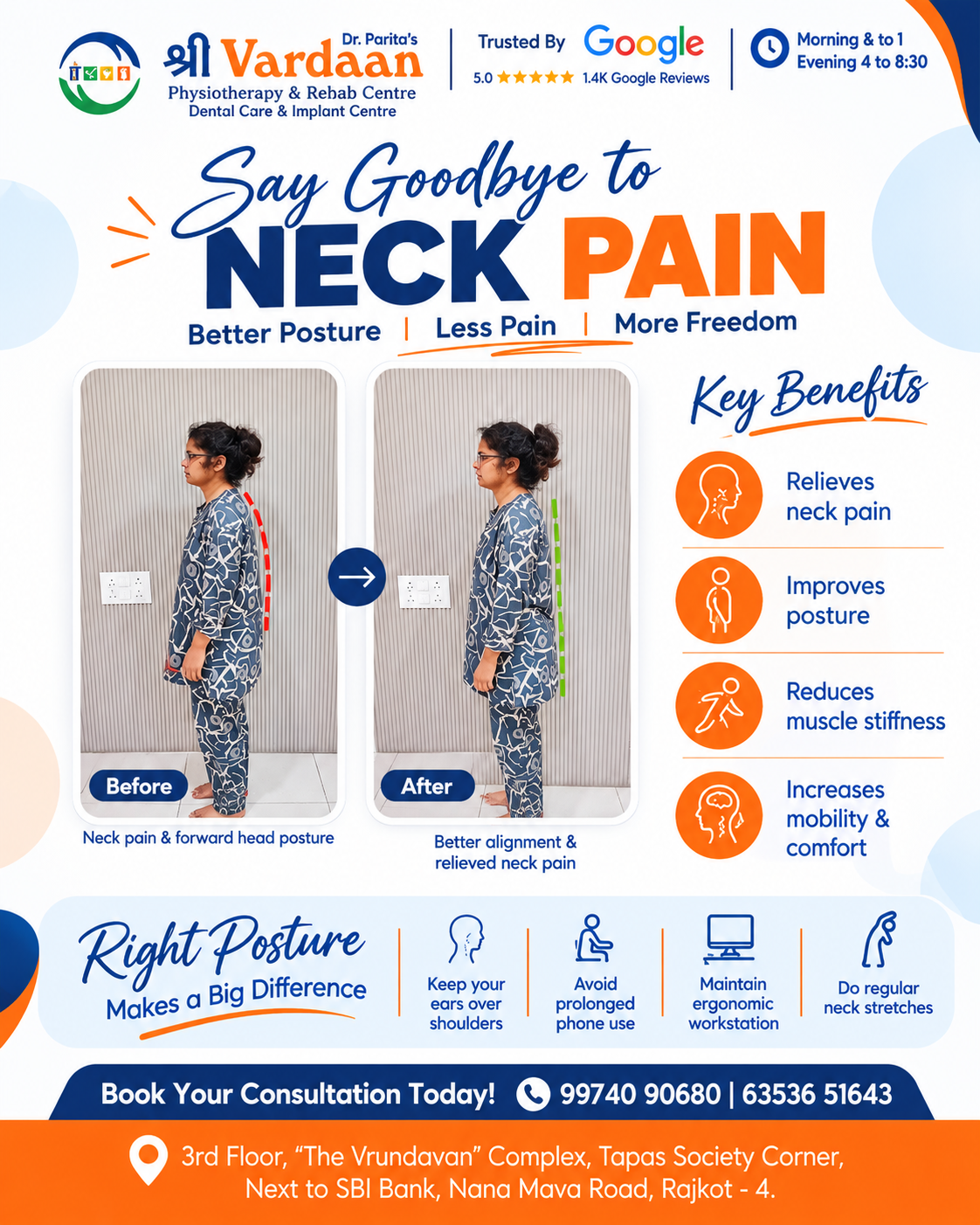
Neck-Pain-Treatment--Posture-Correction---Physiotherapy Neck Pain Treatment Posture Correction Physiotherapy <p>Neck pain is a common problem that can affect people of different age groups. Spending long hours on mobile phones, working on computers, maintaining poor sitting posture, and limited physical activity can contribute to neck discomfort.</p> <p>One of the common factors associated with neck pain is poor posture, especially forward head posture. When your head moves forward instead of staying properly aligned with your shoulders, it can increase stress on the neck and surrounding muscles.</p> <p>The good news is that proper posture correction, regular exercises, and professional physiotherapy guidance can help manage neck discomfort and improve overall movement.</p> <p>In this blog, we will explore the connection between neck pain and posture, common causes, and how physiotherapy can help.</p> <h3><strong>What Is the Connection Between Neck Pain and Poor Posture?</strong></h3> <p>Your neck supports the weight of your head and allows you to move it in different directions. Maintaining a comfortable and balanced posture helps distribute pressure across the neck and upper back.</p> <p>However, when you regularly sit with your head tilted forward or shoulders rounded, additional stress may develop around the neck muscles and joints.</p> <p>This posture is commonly known as Forward Head Posture.</p> <p>Common activities that may contribute to poor neck posture include:</p> <p>- Looking down at mobile phones for extended periods.<br /> - Working continuously on laptops or computers.<br /> - Sitting without proper back support.<br /> - Spending long hours in the same position.<br /> - Maintaining incorrect sleeping positions.</p> <p>Over time, these habits may contribute to neck stiffness, muscle tension, and discomfort.</p> <h3><strong>Common Causes of Neck Pain and Poor Posture</strong></h3> <p>Understanding the causes of neck pain is an important step towards managing it effectively.</p> <p><strong>1. Forward Head Posture</strong></p> <p>Forward head posture occurs when your head moves forward in relation to your shoulders. It is commonly associated with prolonged screen use and poor working habits.</p> <p><strong>2. Excessive Mobile Phone Usage</strong></p> <p>Frequently looking down at your smartphone can place additional stress on your neck muscles and contribute to postural discomfort.</p> <p><strong>3. Incorrect Sitting Position</strong></p> <p>Sitting with rounded shoulders, a bent neck, or inadequate back support for long periods may contribute to muscle strain.</p> <p><strong>4. Weak Neck and Upper Back Muscles</strong></p> <p>Reduced strength and endurance in the muscles supporting your neck and upper back may make it harder to maintain a comfortable posture.</p> <p><strong>5. Lack of Physical Activity</strong></p> <p>Limited movement and prolonged sitting can contribute to muscle stiffness and reduced flexibility.</p> <p><strong>6. Incorrect Sleeping Position</strong></p> <p>An uncomfortable sleeping position or unsuitable pillow may contribute to neck stiffness and discomfort.</p> <h3><strong>Common Symptoms of Poor Posture and Neck Pain</strong></h3> <p>Poor posture and neck-related problems can produce different symptoms depending on the individual.</p> <p>Some common symptoms include:</p> <p>- Persistent neck discomfort or stiffness.<br /> - Forward head positioning.<br /> - Rounded or hunched shoulders.<br /> - Tightness around the neck and upper back.<br /> - Difficulty turning or moving the neck.<br /> - Headaches associated with neck problems.<br /> - Shoulder discomfort and muscle tension.</p> <p>If you experience numbness, tingling, or weakness in your arms or hands, consult a qualified healthcare professional for proper evaluation.</p> <h3><strong>How Can Physiotherapy Help with Neck Pain and Posture Correction?</strong></h3> <p>Physiotherapy plays an important role in managing neck pain and improving postural control.</p> <p>A qualified physiotherapist evaluates your neck movement, muscle strength, flexibility, and sitting or standing posture before recommending an appropriate treatment plan.</p> <p>Here are some common physiotherapy approaches:</p> <p><strong>1. Posture Assessment and Correction</strong></p> <p>A physiotherapist identifies postural habits that may contribute to neck discomfort and provides guidance to improve head, neck, and shoulder alignment.</p> <p><strong>2. Therapeutic Exercises</strong></p> <p>Specific exercises can help improve neck flexibility, movement, and muscle control.</p> <p><strong>3. Neck and Shoulder Strengthening</strong></p> <p>Strengthening exercises for the neck, shoulders, and upper back can improve muscular support and help maintain a more comfortable posture.</p> <p><strong>4. Manual Therapy</strong></p> <p>Depending on your condition, a physiotherapist may use appropriate hands-on techniques to help improve mobility and manage stiffness.</p> <p><strong>5. Ergonomic Guidance</strong></p> <p>Physiotherapists can suggest suitable adjustments to your workstation, sitting position, and daily activities to reduce unnecessary neck strain.</p> <p><strong>6. Personalized Rehabilitation</strong></p> <p>Every individual has different needs. A personalized physiotherapy program helps address specific symptoms, movement limitations, and postural concerns.</p> <h3><strong>Simple Exercises and Tips for Better Neck Posture</strong></h3> <p>Developing healthy daily habits can support better posture and neck health.</p> <p>Here are some practical tips:</p> <p><strong>1. Chin Tucks</strong></p> <p>Gently move your chin backwards while keeping your head level. This exercise may help improve neck muscle control when performed correctly.</p> <p><strong>2. Shoulder Rolls</strong></p> <p>Slowly roll your shoulders forward and backward to encourage comfortable shoulder movement.</p> <p><strong>3. Gentle Neck Movements</strong></p> <p>Perform comfortable neck movements within your available range without forcing or stretching into pain.</p> <p><strong>4. Maintain Screen Height</strong></p> <p>Keep your computer or laptop screen close to eye level to avoid constantly looking down.</p> <p><strong>5. Take Regular Breaks</strong></p> <p>Avoid sitting in the same position for extended periods. Stand up, move around, and change your position regularly.</p> <p><strong>6. Maintain Comfortable Sitting Posture</strong></p> <p>Keep your shoulders relaxed, feet supported, and back comfortably supported while working.</p> <p>Remember: Exercises should be selected according to your individual condition. Stop if an exercise increases your pain and seek professional guidance.</p> <h3><strong>How to Prevent Neck Pain in Daily Life</strong></h3> <p>Small changes in your daily routine can make a difference in supporting healthy neck movement.</p> <p>- Avoid prolonged mobile phone usage with your head bent forward.<br /> - Maintain a comfortable sitting and standing posture.<br /> - Keep your workstation properly arranged.<br /> - Stay physically active throughout the day.<br /> - Follow a comfortable sleeping routine.<br /> - Perform recommended stretching and strengthening exercises.<br /> - Consult a physiotherapist if neck discomfort continues.</p> <p>Consistency in maintaining healthy habits can help support better posture and movement.</p> <h3><strong>When Should You Consult a Physiotherapist?</strong></h3> <p>You should consider professional physiotherapy assessment if:</p> <p>- Neck pain frequently returns.<br /> - You experience regular neck stiffness.<br /> - Poor posture affects your daily activities.<br /> - You have difficulty moving your neck comfortably.<br /> - Neck and shoulder discomfort affects your work or sleep.<br /> - You notice persistent changes in your head or shoulder alignment.</p> <p>If neck pain develops after a significant injury or is accompanied by severe headache, fever, significant weakness, or other concerning symptoms, seek prompt medical assessment.</p> <h3><strong>Frequently Asked Questions (FAQs)</strong></h3> <p><strong>1. Can poor posture cause neck pain?</strong></p> <p>Yes. Poor posture, particularly forward head posture and rounded shoulders, may increase stress on the neck muscles and contribute to discomfort.</p> <p><strong>2. What is forward head posture?</strong></p> <p>Forward head posture is a postural condition in which the head sits in front of the body&#39;s natural alignment with the shoulders. It is commonly associated with prolonged screen use and certain working habits.</p> <p><strong>3. Can physiotherapy correct poor neck posture?</strong></p> <p>Physiotherapy can help improve postural control through personalized exercises, muscle strengthening, movement training, and ergonomic guidance. Results depend on the individual&#39;s condition and consistency.</p> <p><strong>4. Which exercises help improve neck posture?</strong></p> <p>Chin tucks, shoulder rolls, gentle neck mobility exercises, and upper back strengthening may help improve neck movement and postural control.</p> <p><strong>5. How long does it take to improve neck posture?</strong></p> <p>Improvement varies from person to person depending on the severity of postural concerns, muscle strength, daily habits, and consistency with the recommended exercise program.</p> <p><strong>6. Can using a mobile phone cause neck pain?</strong></p> <p>Looking down at a mobile phone for extended periods may increase stress on the neck and contribute to discomfort. Keeping the phone closer to eye level and taking regular breaks can help.</p> <p><strong>7. When should I seek physiotherapy for neck pain?</strong></p> <p>Consider consulting a physiotherapist if neck pain persists, frequently returns, or affects your daily activities. A professional assessment can help identify the cause and guide appropriate treatment.</p> <h3><strong>Conclusion</strong></h3> <p>Neck pain and poor posture can affect your comfort, daily activities, and overall quality of life. Habits such as prolonged screen time, incorrect sitting positions, and limited physical activity may contribute to neck strain and postural problems.</p> <p>The right combination of posture correction, therapeutic exercises, muscle strengthening, and professional physiotherapy guidance can help improve neck movement and support better postural control.</p> <p>Remember, maintaining good posture is not just about standing straight. It is about developing healthy movement habits and taking care of your neck every day.</p> <p>Take the first step towards better posture, improved movement, and a healthier lifestyle!</p>

Neck Pain Treatment Posture Correction Physiotherapy

2026-11-03 23:50:44

Neck pain is a common problem that can affect people of different age groups. Spending long hours on mobile phones, working on computers, maintaining poor sitting posture, and limited physical activity can contribute to neck discomfort.

One of the common factors associated with neck pain is poor posture, especially forward head posture. When your head moves forward instead of staying
Read more
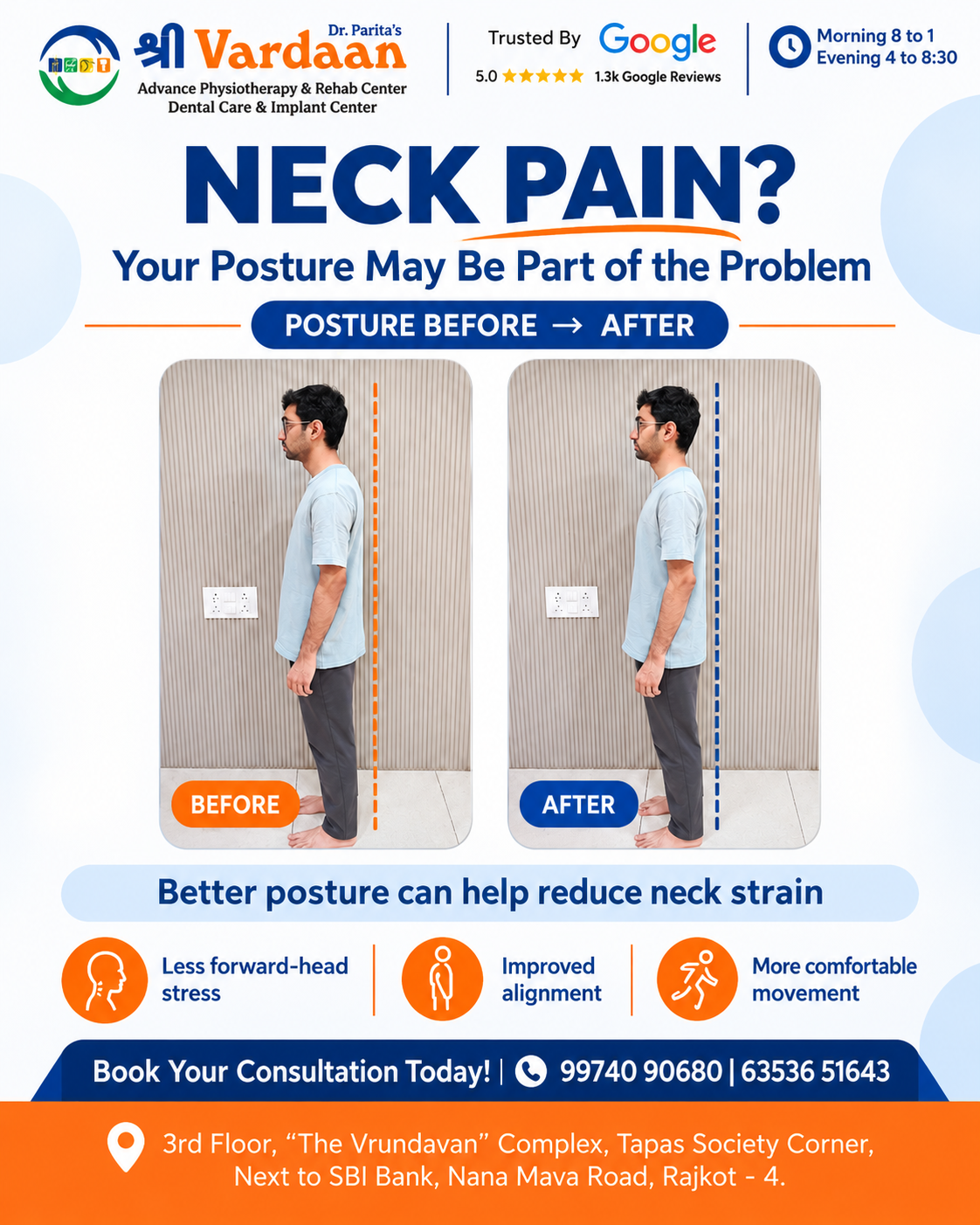
Neck-Pain-Treatment--Causes---Physiotherapy Neck Pain Treatment Causes Physiotherapy <p>Neck pain is one of the most common health problems affecting people of different age groups. Long working hours, poor sitting posture, excessive mobile phone usage, and lack of physical activity can contribute to neck discomfort.</p> <p>Whether you experience mild stiffness or persistent neck pain, understanding its causes and choosing the right treatment can help improve your comfort and daily activities.</p> <p>Physiotherapy plays an important role in managing neck pain, improving flexibility, strengthening neck muscles, and supporting better posture.</p> <h3><strong>What Is Neck Pain?</strong></h3> <p>Neck pain refers to discomfort, stiffness, or soreness in the cervical spine area, which connects your head to your upper back and shoulders.</p> <p>It can develop gradually due to poor posture and muscle strain or occur suddenly because of an injury.</p> <p>Neck pain may sometimes affect your ability to turn your head, work comfortably, sleep properly, or perform everyday activities.</p> <h3><strong>Common Causes of Neck Pain</strong></h3> <p>Several factors can contribute to neck pain. Some of the most common causes include:</p> <p><strong>1. Poor Sitting Posture</strong></p> <p>Sitting for long hours with your head tilted forward or shoulders rounded can put additional stress on your neck muscles.</p> <p><strong>2. Excessive Mobile and Laptop Usage</strong></p> <p>Looking down at your mobile phone or working continuously on a laptop may contribute to forward head posture and neck muscle strain.</p> <p><strong>3. Muscle Strain</strong></p> <p>Overuse of neck muscles, repetitive movements, or maintaining the same position for extended periods can cause stiffness and discomfort.</p> <p><strong>4. Incorrect Sleeping Position</strong></p> <p>Using an unsuitable pillow or sleeping in an uncomfortable position may contribute to neck stiffness and morning discomfort.</p> <p><strong>5. Cervical Spine Problems</strong></p> <p>Certain conditions, such as cervical spondylosis or cervical disc problems, can cause neck pain and sometimes pain that travels towards the shoulders or arms.</p> <h3><strong>Common Symptoms of Neck Pain</strong></h3> <p>Neck pain can affect people differently. Common symptoms include:</p> <p>- Pain or stiffness around the neck.<br /> - Difficulty turning or moving the head.<br /> - Shoulder and upper back discomfort.<br /> - Headaches associated with neck problems.<br /> - Muscle tightness around the neck.<br /> - Pain that sometimes travels towards the arms.</p> <p>If you experience persistent pain, numbness, tingling, or weakness in your arms or hands, consult a qualified healthcare professional.</p> <h3><strong>How Can Physiotherapy Help with Neck Pain?</strong></h3> <p>Physiotherapy is a non-surgical treatment approach that can help manage many types of neck pain.</p> <p>A physiotherapist assesses your posture, neck movement, muscle strength, and symptoms before recommending a suitable treatment plan.</p> <p>Common physiotherapy approaches include:</p> <p><strong>1. Therapeutic Exercises</strong></p> <p>Specific exercises help improve neck flexibility, strengthen supporting muscles, and restore comfortable movement.</p> <p><strong>2. Posture Correction</strong></p> <p>Posture training helps identify incorrect sitting, standing, and working positions that may contribute to neck discomfort.</p> <p><strong>3. Manual Therapy</strong></p> <p>Depending on your condition, a trained physiotherapist may use appropriate hands-on techniques to improve movement and reduce stiffness.</p> <p><strong>4. Muscle Strengthening</strong></p> <p>Strengthening the neck, shoulder, and upper back muscles can improve support and help maintain better posture.</p> <p><strong>5. Patient Education</strong></p> <p>Physiotherapists provide guidance about daily activities, workplace ergonomics, sleeping positions, and safe movement habits.</p> <h3><strong>Simple Tips to Prevent Neck Pain</strong></h3> <p>You can follow these practical habits to support better neck health:</p> <p>- Maintain a comfortable and upright sitting posture.<br /> - Keep your laptop or computer screen at eye level.<br /> - Avoid looking down at your mobile phone for extended periods.<br /> - Take regular breaks during long working hours.<br /> - Choose a comfortable pillow that supports your neck.<br /> - Perform recommended neck and shoulder exercises.<br /> - Avoid sudden or excessive neck movements.</p> <p>Remember, exercises should be selected according to your individual condition. Stop any movement that increases your pain.</p> <h3><strong>When Should You Consult a Physiotherapist?</strong></h3> <p>You should consider consulting a physiotherapist if:</p> <p>- Neck pain continues for several days or keeps returning.<br /> - You experience difficulty moving your neck.<br /> - Neck stiffness affects your daily activities.<br /> - You frequently experience neck and shoulder discomfort.<br /> - Poor posture is affecting your comfort while working or studying.</p> <p>If neck pain follows a major injury or is accompanied by significant weakness, fever, severe headache, or other concerning symptoms, seek prompt medical assessment.</p> <h3><strong>Frequently Asked Questions (FAQs)</strong></h3> <p><strong>1. What is the most common cause of neck pain?</strong></p> <p>Poor posture, prolonged mobile or laptop usage, muscle strain, and incorrect sleeping positions are some common causes of neck pain.</p> <p><strong>2. Can physiotherapy help reduce neck pain?</strong></p> <p>Yes. Physiotherapy can help manage neck pain through therapeutic exercises, posture correction, manual therapy, and muscle strengthening, depending on the individual&#39;s condition.</p> <p><strong>3. How many physiotherapy sessions are needed for neck pain?</strong></p> <p>The number of sessions depends on the cause, severity, and duration of neck pain. A physiotherapist can recommend a personalized treatment plan after assessment.</p> <p><strong>4. Can poor posture cause neck pain?</strong></p> <p>Yes. Poor posture, especially forward head posture while using mobile phones or computers, can increase stress on neck muscles and contribute to discomfort.</p> <p><strong>5. Which exercises are helpful for neck pain?</strong></p> <p>Gentle neck mobility exercises, chin tucks, shoulder rolls, and appropriate stretching may help improve neck movement. Exercises should be performed according to professional guidance.</p> <p><strong>6. How can I prevent neck pain while working on a computer?</strong></p> <p>Keep your screen at eye level, maintain a comfortable sitting posture, take regular breaks, and avoid keeping your neck in the same position for extended periods.</p> <p><strong>7. When should I consult a physiotherapist for neck pain?</strong></p> <p>Consult a physiotherapist if neck pain persists, frequently returns, affects your daily activities, or causes difficulty moving your neck. Seek prompt medical assessment if you experience significant weakness, numbness, or pain following an injury.</p> <h3><strong>Conclusion</strong></h3> <p>Neck pain can affect your daily activities, work performance, and overall quality of life. Common factors such as poor posture, prolonged screen time, muscle strain, and cervical spine problems can contribute to neck discomfort.</p> <p>Understanding the causes of neck pain and getting the right physiotherapy guidance can help improve neck mobility, muscle strength, and posture.</p> <p>Regular exercises, proper sitting habits, and professional physiotherapy care can play an important role in managing neck pain and supporting long-term neck health.</p> <p>Take care of your neck today for a healthier and more comfortable tomorrow!</p>

Neck Pain Treatment Causes Physiotherapy

2026-11-03 23:38:17

Neck pain is one of the most common health problems affecting people of different age groups. Long working hours, poor sitting posture, excessive mobile phone usage, and lack of physical activity can contribute to neck discomfort.

Whether you experience mild stiffness or persistent neck pain, understanding its causes and choosing the right treatment can help improve your comfort and d
Read more
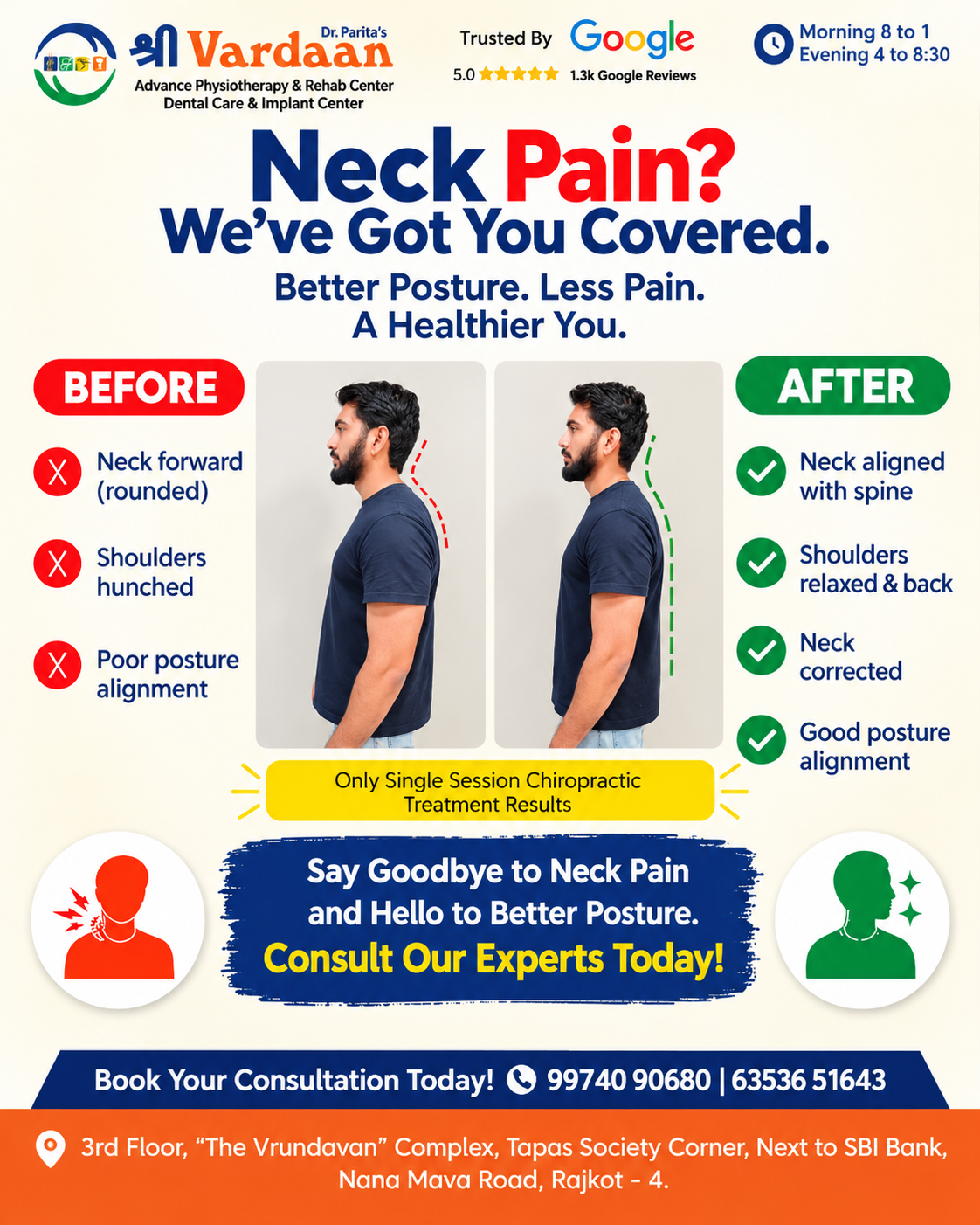
Forward-Head-Posture--Causes--Symptoms---Physiotherapy-Treatment Forward Head Posture Causes Symptoms Physiotherapy Treatment <p>In today&#39;s digital world, many people spend long hours using smartphones, laptops, and computers. Sitting for extended periods, looking down at screens, and maintaining poor sitting habits can affect neck posture over time. One common postural concern is Forward Head Posture (FHP)</p> <p>Forward Head Posture occurs when the head moves forward in relation to the shoulders instead of staying naturally aligned with the spine. This posture may increase strain on the neck and surrounding muscles, sometimes leading to neck discomfort, stiffness, and reduced mobility.</p> <p>The good news is that **physiotherapy for Forward Head Posture** can help improve posture awareness, neck mobility, muscle strength, and movement control through an individualized treatment plan.</p> <p>In this blog, we will explore the causes, symptoms, possible effects, and physiotherapy treatment options for Forward Head Posture.</p> <h3><strong>What Is Forward Head Posture?</strong></h3> <p>Forward Head Posture is a postural condition in which the head sits in front of the body&#39;s natural alignment with the shoulders. It is commonly associated with prolonged screen use, poor sitting habits, and certain repetitive activities.</p> <p>In a neutral posture, the head is generally balanced over the shoulders. However, with Forward Head Posture, the head moves forward, which may increase the workload on the muscles and structures around the neck and upper back.</p> <p>It is sometimes called Forward Neck Posture&nbsp;or Text Neck, particularly when associated with prolonged smartphone use.</p> <h3><strong>Common Causes of Forward Head Posture</strong></h3> <p>Forward Head Posture can develop due to several lifestyle and movement-related factors.</p> <p><strong>1. Prolonged Smartphone Use</strong></p> <p>Looking down at a smartphone for extended periods may encourage the head to move forward and downward. Repeatedly maintaining this position can contribute to poor neck posture.</p> <p><strong>2. Poor Sitting Posture</strong></p> <p>Sitting with rounded shoulders, a forward head position, or inadequate back support for long periods may contribute to postural changes.</p> <p><strong>3. Extended Computer and Laptop Use</strong></p> <p>People who work or study for long hours on computers may unknowingly lean toward their screens. Incorrect monitor height and workstation setup can encourage forward head positioning.</p> <p><strong>4. Weak Neck and Upper Back Muscles</strong></p> <p>The muscles around the neck, shoulders, and upper back help maintain proper head and shoulder alignment. Reduced strength or endurance in these muscles may affect postural control.</p> <p><strong>5. Lack of Physical Activity</strong></p> <p>A sedentary lifestyle with limited movement and exercise may contribute to muscle weakness, stiffness, and reduced postural endurance.</p> <h3><strong>Symptoms of Forward Head Posture</strong></h3> <p>Forward Head Posture may not cause symptoms in everyone. However, some people may experience discomfort or movement difficulties.</p> <p>Common symptoms include:</p> <p>- Neck pain or discomfort.<br /> - Stiffness in the neck and shoulders.<br /> - Tightness in the upper back.<br /> - Frequent muscle fatigue around the neck.<br /> - Reduced neck mobility.<br /> - Shoulder tension.<br /> - Discomfort after prolonged sitting or screen use.<br /> - Headaches in some individuals.</p> <p>Symptoms can have different causes, so persistent or severe discomfort should be assessed by a qualified healthcare professional.</p> <h3><strong>How Does Forward Head Posture Affect Neck Health?</strong></h3> <p>When the head remains forward for extended periods, the muscles around the neck and upper back may need to work differently to support it.</p> <p>This can contribute to:</p> <p>- Increased muscular effort around the neck.<br /> - Tension in the shoulder and upper back muscles.<br /> - Reduced postural endurance.<br /> - Discomfort during prolonged sitting.<br /> - Difficulty maintaining a comfortable neutral posture.</p> <p>Not everyone with Forward Head Posture experiences pain. A professional assessment can help determine whether posture is contributing to an individual&#39;s symptoms.</p> <h3><strong>How Physiotherapy Helps Treat Forward Head Posture</strong></h3> <p>Physiotherapy treatment for Forward Head Posture&nbsp;focuses on improving movement, muscle function, postural awareness, and daily activity habits.</p> <p>A physiotherapist first assesses the patient&#39;s posture, neck mobility, muscle strength, flexibility, and movement patterns. Based on the findings, an individualized treatment program may be recommended.</p> <p><strong>1. Postural Assessment and Correction</strong></p> <p>A physiotherapist evaluates head, neck, shoulder, and upper back alignment. They may also assess sitting posture and workstation habits.</p> <p>Patients can receive guidance on maintaining a comfortable and balanced posture during everyday activities.</p> <p><strong>2. Neck Strengthening Exercises</strong></p> <p>Specific strengthening exercises may help improve the function and endurance of the muscles supporting the neck.</p> <p>One commonly used exercise is the deep neck flexor exercise, which may help improve neck muscle control when performed correctly.</p> <p><strong>3. Upper Back Strengthening</strong></p> <p>The upper back and shoulder muscles play an important role in supporting posture.</p> <p>Exercises targeting the shoulder blades and upper back may help improve muscular strength and control.</p> <p>Examples may include:</p> <p>- Scapular retraction exercises.<br /> - Resistance band rows.<br /> - Shoulder blade control exercises.</p> <p><strong>4. Stretching and Mobility Exercises</strong></p> <p>Tightness in certain neck and chest muscles may affect comfortable movement.</p> <p>Depending on the assessment, a physiotherapist may recommend gentle stretching and mobility exercises for the neck, chest, and upper back.</p> <p><strong>5. Manual Therapy</strong></p> <p>In selected cases, a physiotherapist may use manual therapy techniques to help manage muscle tension, stiffness, and restricted movement.</p> <p>These techniques are generally combined with appropriate exercises and education rather than used as the only treatment.</p> <p><strong>6. Ergonomic Guidance</strong></p> <p>Daily habits can influence neck posture. Physiotherapists may recommend practical changes such as:</p> <p>- Keeping the computer screen near eye level.<br /> - Avoiding prolonged downward smartphone viewing.<br /> - Using a comfortable chair with suitable back support.<br /> - Taking regular movement breaks.<br /> - Keeping the shoulders relaxed while working.<br /> - Changing positions throughout the day.</p> <p>These adjustments can help reduce prolonged strain during daily activities.</p> <h3><strong>Simple Exercises That May Help Improve Forward Head Posture</strong></h3> <p>The following exercises are commonly included in posture rehabilitation programs. Their suitability depends on the individual&#39;s symptoms and physical condition.</p> <p><strong>1. Chin Tucks</strong></p> <p>Chin tucks involve gently moving the chin backward while keeping the head level. This exercise may help improve deep neck muscle control.</p> <p><strong>2. Shoulder Blade Squeezes</strong></p> <p>Gently bring the shoulder blades toward each other without lifting the shoulders. This movement helps activate muscles around the upper back.</p> <p><strong>3. Chest Stretch</strong></p> <p>A gentle chest stretch may help improve flexibility in the chest muscles, especially for people who spend long hours sitting.</p> <p><strong>4. Upper Back Extension</strong></p> <p>Gentle upper back extension movements may help improve thoracic mobility and comfortable posture.</p> <h3><strong>Tips to Prevent Forward Head Posture</strong></h3> <p>Healthy daily habits can support better neck and upper back posture.</p> <p>- Keep your screen close to eye level.<br /> - Avoid holding your phone too low for long periods.<br /> - Maintain a comfortable sitting position.<br /> - Take short breaks during extended computer work.<br /> - Include regular physical activity in your routine.<br /> - Perform suitable neck and upper back strengthening exercises.<br /> - Avoid staying in one position for too long.<br /> - Pay attention to your posture while studying or working.</p> <p>Small changes in daily habits can support better movement and postural awareness.</p> <h3><strong>When Should You Consult a Physiotherapist?</strong></h3> <p>You should consider consulting a qualified physiotherapist if you experience:</p> <p>- Persistent neck pain or stiffness.<br /> - Repeated shoulder and upper back discomfort.<br /> - Difficulty turning or moving your neck.<br /> - Discomfort during work or study.<br /> - Postural concerns that affect your daily activities.</p> <p>If neck pain is accompanied by new or worsening arm weakness, numbness, balance problems, or follows a significant injury, seek prompt medical evaluation.</p> <p>A professional assessment can help identify the possible cause of your symptoms and determine an appropriate treatment approach.</p> <h3><strong>Frequently Asked Questions (FAQs)</strong></h3> <p><strong>1. What is Forward Head Posture?</strong></p> <p>Forward Head Posture is a postural condition in which the head sits forward in relation to the shoulders and the body&#39;s natural alignment.</p> <p><strong>2. What are the main causes of Forward Head Posture?</strong></p> <p>Common contributing factors include prolonged smartphone use, extended computer work, poor sitting habits, reduced physical activity, and inadequate muscle strength or endurance.</p> <p><strong>3. Can physiotherapy help correct Forward Head Posture?</strong></p> <p>Physiotherapy may help improve posture awareness, neck strength, mobility, and movement control through an individualized rehabilitation program.</p> <p><strong>4. Which exercises are useful for Forward Head Posture?</strong></p> <p>Depending on the individual&#39;s condition, exercises may include chin tucks, shoulder blade squeezes, upper back strengthening, and suitable stretching exercises.</p> <p><strong>5. How long does it take to improve Forward Head Posture?</strong></p> <p>The time required varies depending on the individual&#39;s posture, symptoms, daily habits, and consistency with the recommended program. A physiotherapist can help set realistic goals.</p> <p><strong>6. Can mobile phone use contribute to Forward Head Posture?</strong></p> <p>Prolonged smartphone use, especially when looking downward for extended periods, may contribute to forward head positioning and neck discomfort.</p> <p><strong>7. Is Forward Head Posture always painful?</strong></p> <p>No. Some people have Forward Head Posture without experiencing pain. Others may experience neck stiffness, shoulder tension, or discomfort.</p> <h3><strong>Conclusion</strong></h3> <p>Forward Head Posture is a common postural concern, particularly among people who spend long hours using smartphones, laptops, and computers.</p> <p>Although it may contribute to neck discomfort and muscular tension in some individuals, appropriate posture education, strengthening exercises, mobility training, and ergonomic improvements can help support better neck function.</p> <p>Physiotherapy for Forward Head Posture&nbsp;focuses on improving muscle strength, movement control, postural awareness, and everyday comfort through an individualized rehabilitation plan.</p> <p>If you are experiencing persistent neck discomfort or difficulty maintaining a comfortable posture, consult a qualified physiotherapist to understand your condition and explore suitable treatment options.</p>

Forward Head Posture Causes Symptoms Physiotherapy Treatment

2026-11-03 05:47:22

In today's digital world, many people spend long hours using smartphones, laptops, and computers. Sitting for extended periods, looking down at screens, and maintaining poor sitting habits can affect neck posture over time. One common postural concern is Forward Head Posture (FHP)

Forward Head Posture occurs when the head moves forward in relation to the shoulders instead of stayi
Read more
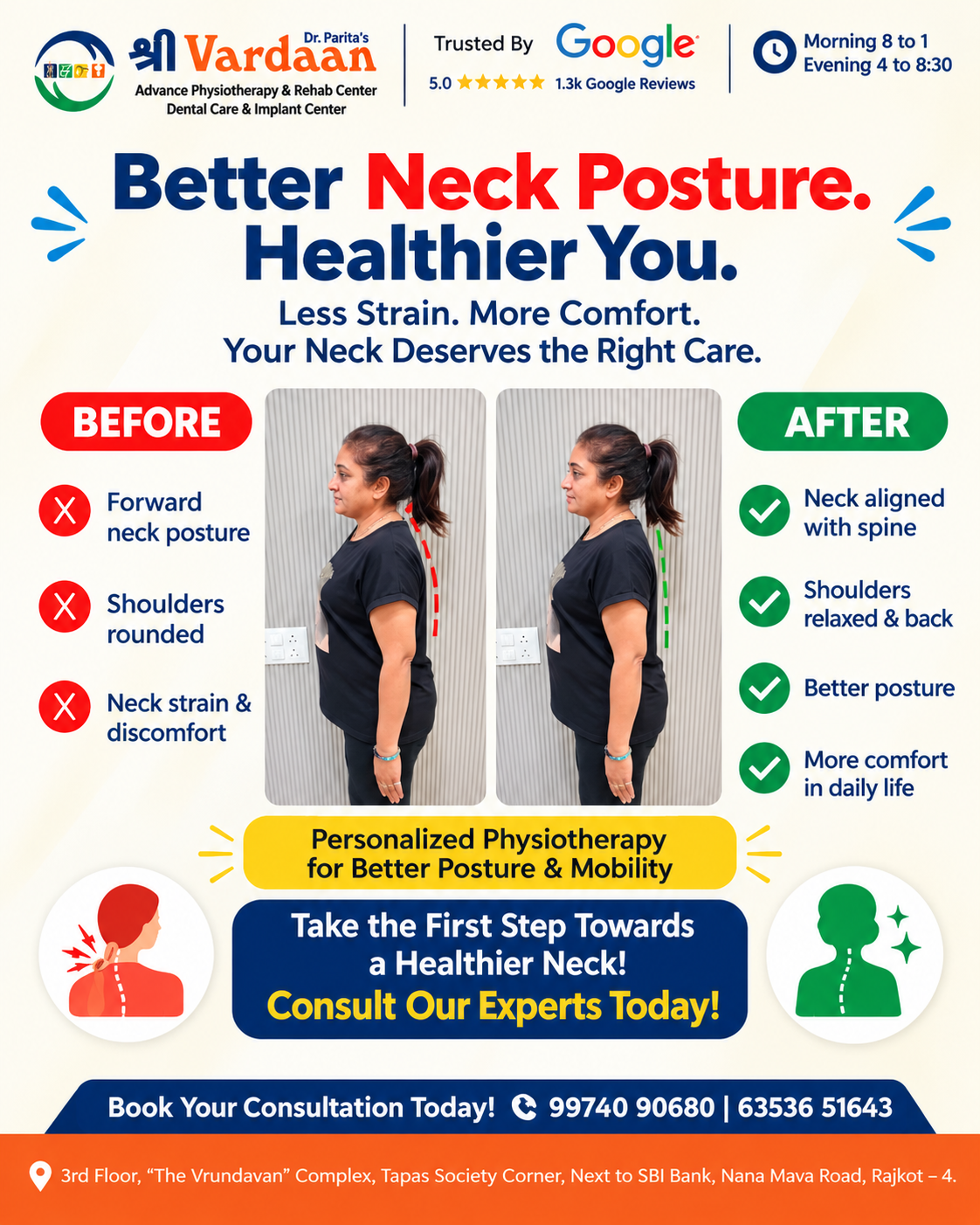
Life-changing-stories-from-patients Life changing stories from patients <p>Did you know that you can turn testimonials into stories? Usually, when people are looking for physical therapists, they want to know about their previous patients&rsquo; experiences. Detailed reviews from your patients where they mention how your physical therapy services have exceeded their expectations or if you have patients who regularly visit your PT clinic, you could interview them about their experiences (e.g. how they were able to go back to their daily routine, improvements in their mobility, and relieve painful muscle areas).</p> <p>You could also include your staff. Do an interview on how they feel being a part of a patient&rsquo;s journey to recovery.&nbsp; That could also be useful for your next blog post!</p>

Life changing stories from patients

2024-04-16 22:43:35

Did you know that you can turn testimonials into stories? Usually, when people are looking for physical therapists, they want to know about their previous patients’ experiences. Detailed reviews from your patients where they mention how your physical therapy services have exceeded their expectations or if you have patients who regularly visit your PT clinic, you could interview them about
Read more

Best-physiotherapy-centre-in-rajkot----Shree-Vardaan-physiotherapy Best physiotherapy centre in rajkot Shree Vardaan physiotherapy <p><strong>Welcome to Shree Vardaan Physiotherapy&nbsp;</strong>, the leading destination for unparalleled physiotherapy care in Rajkot. Our commitment to excellence and personalized treatment plans make us the best choice for your healing journey.</p> <p>At Shree Vardaan Physiotherapy, we understand that each individual is unique, and so are their needs. That&#39;s why our expert team specializes in tailoring treatments to address a wide range of conditions, ensuring that you receive the precise care you deserve.</p> <p>Our comprehensive services encompass a variety of specialties, including:</p> <p><strong>Chiropractic Treatment:</strong> Addressing spinal misalignments to alleviate pain and improve mobility.</p> <p><strong>Back Pain Relief:</strong> Targeted therapies to alleviate discomfort and promote spine health.</p> <p><strong>Sciatica Treatment:</strong> Targeted techniques to relieve sciatic nerve pain and improve function.</p> <p><strong>Knee Pain Management:</strong> Customized approaches to address knee injuries and conditions.</p> <p><strong>Shoulder Pain Relief:</strong> Techniques to enhance shoulder mobility and reduce pain.</p> <p><strong>Dry Needling:</strong> Precision therapy targeting trigger points for pain relief and improved muscle function.</p> <p><strong>Cupping Therapy:</strong> Ancient healing techniques for pain relief and relaxation.</p> <p><strong>Laser Therapy:</strong> Advanced technology for accelerated healing and pain management.</p> <p><strong>Hijama Therapy:</strong> Traditional cupping therapy for detoxification and pain relief.</p> <p><strong>Migraine Management:</strong> Holistic approaches to alleviate migraine symptoms and improve quality of life.</p> <p><strong>Spinal Decompression Therapy:</strong> Non-invasive treatment to relieve pressure on spinal discs and nerves.</p> <p>At Shree Vardaan Physiotherapy, we prioritize your well-being above all else. Our compassionate team is dedicated to guiding you through every step of your recovery journey, ensuring that you feel empowered and supported along the way.</p> <p>Discover the difference that personalized care can make at Shree Vardaan Physiotherapy. Schedule your appointment today and take the first step toward optimal healing and well-being.</p> <p>&nbsp;</p> <p>&nbsp;</p> <p>&nbsp;</p> <p>&nbsp;</p> <p>&nbsp;</p>

Best physiotherapy centre in rajkot Shree Vardaan physiotherapy

2024-04-16 23:02:09

Welcome to Shree Vardaan Physiotherapy , the leading destination for unparalleled physiotherapy care in Rajkot. Our commitment to excellence and personalized treatment plans make us the best choice for your healing journey.

At Shree Vardaan Physiotherapy, we understand that each individual is unique, and so are their needs. That's why our expert team speciali
Read more

Advance-Physiotherapy-Center Advance Physiotherapy Center <p>Welcome to Advance Physiotherapy Center at Shree Vardaan Physiotherapy! Our dedicated team specializes in providing cutting-edge treatments and personalized care to help you achieve optimal physical health and wellness.</p> <p>With a focus on neuro rehabilitation, IASTM (Instrument Assisted Soft Tissue Mobilization), pediatric physiotherapy, and addressing various conditions such as knee ligament injuries, sports injuries, scoliosis, neck pain, and muscle pain, we offer comprehensive services tailored to meet your unique needs.</p> <p>Whether you&#39;re recovering from an injury, managing a chronic condition, or striving to enhance your athletic performance, our skilled professionals are here to support you every step of the way. We utilize the latest advancements in physiotherapy techniques and technology to ensure effective results and a speedy recovery.</p> <p>At Advance Physiotherapy Center, we believe in empowering our patients with the knowledge and tools they need to take control of their health and well-being. Through personalized treatment plans, hands-on therapy, and compassionate support, we aim to help you regain mobility, alleviate pain, and restore function so you can live life to the fullest.</p> <p>Experience the difference of personalized care and expertise at Advance Physiotherapy Center. Contact us today to schedule your consultation and take the first step towards a healthier, happier you!</p>

Advance Physiotherapy Center

2024-04-16 23:06:08

Welcome to Advance Physiotherapy Center at Shree Vardaan Physiotherapy! Our dedicated team specializes in providing cutting-edge treatments and personalized care to help you achieve optimal physical health and wellness.

With a focus on neuro rehabilitation, IASTM (Instrument Assisted Soft Tissue Mobilization), pediatric physiotherapy, and addressing various conditions such as knee lig
Read more

Unlocking-Wellness--Exploring-Chiropractic-Treatment-at-Shree-Vardaan-Physiotherapy-in-Rajkot Unlocking Wellness Exploring Chiropractic Treatment at Shree Vardaan Physiotherapy in Rajkot <h2><strong>Unlocking Wellness: Exploring Chiropractic Treatment at Shree Vardaan Physiotherapy in Rajkot</strong></h2> <p>In the bustling city of Rajkot, amidst the vibrant tapestry of life, lies a sanctuary of holistic healing &ndash; Shree Vardaan Physiotherapy. Here, we invite you to embark on a journey of transformation, where the key to unlocking your fullest potential lies in the art of chiropractic treatment.</p> <p>At Shree Vardaan Physiotherapy, we believe in the power of holistic healing to nurture not just the body, but the mind and spirit as well. Our skilled practitioners specialize in chiropractic treatment, offering personalized care tailored to your unique needs and aspirations.</p> <p>Chiropractic treatment is more than just spinal adjustments; it&#39;s a holistic approach to wellness that encompasses various techniques such as corrective exercises, aimed at restoring alignment, mobility, and vitality to your body. Through gentle manipulation and targeted therapies, our practitioners work diligently to address the root cause of discomfort, allowing your body to heal naturally from within.</p> <p>With a focus on wellness and vitality, our sessions at Shree Vardaan Physiotherapy are designed to promote overall well-being, not just the alleviation of symptoms. Whether you&#39;re seeking relief from chronic pain, recovering from an injury, or simply striving to optimize your health, our team is here to support you every step of the way.</p> <p>Experience the transformative power of chiropractic treatment at Shree Vardaan Physiotherapy in Rajkot. Discover the profound impact it can have on your life as you unlock your body&#39;s innate potential for holistic healing and embark on a journey towards lasting wellness.</p>

Unlocking Wellness Exploring Chiropractic Treatment at Shree Vardaan Physiotherapy in Rajkot

2024-04-16 23:12:14

Unlocking Wellness: Exploring Chiropractic Treatment at Shree Vardaan Physiotherapy in Rajkot

In the bustling city of Rajkot, amidst the vibrant tapestry of life, lies a sanctuary of holistic healing – Shree Vardaan Physiotherapy. Here, we invite you to embark on a journey of transformation, where the key to unlocking your fullest potential lies in the art of
Read more

Back-Pain-Causes--Treatment-And-Exercises--Shree-Vardaan-Physiotherapy Back Pain Causes Treatment And Exercises Shree Vardaan Physiotherapy <p><strong>Back Pain Causes, Treatment And Exercises at Shree Vardaan Physiotherapy</strong></p> <p>Are you tired of living with back pain? Are you searching for effective solutions to alleviate your discomfort and reclaim your mobility? Look no further than Shree Vardaan Physiotherapy, where we specialize in addressing the root causes of back pain and providing comprehensive treatment options tailored to your unique needs.</p> <p><strong>Understanding Back Pain</strong></p> <p>Back pain can be debilitating, affecting your ability to work, exercise, and enjoy daily activities. It can stem from various sources, including:</p> <ol> <li><strong>Muscle Strain:</strong> Overexertion or improper lifting techniques can strain the muscles in your back, leading to pain and stiffness.</li> <li><strong>Poor Posture:</strong> Prolonged sitting or standing with poor posture can place excessive strain on your spine, contributing to back pain over time.</li> <li><strong>Injury:</strong> Accidents, falls, or sports-related injuries can cause trauma to the spine or surrounding tissues, resulting in acute or chronic back pain.</li> <li><strong>Degenerative Conditions:</strong> Conditions such as osteoarthritis, spinal stenosis, or herniated discs can cause structural changes in the spine, leading to pain and discomfort.</li> </ol> <p><strong>Treatment Options</strong></p> <p>At Shree Vardaan Physiotherapy, our experienced team of physiotherapists employs a multifaceted approach to back pain management, including:</p> <ol> <li><strong>Manual Therapy:</strong> Hands-on techniques such as massage, joint mobilization, and spinal manipulation are used to relieve muscle tension, improve joint mobility, and alleviate pain.</li> <li><strong>Exercise Therapy:</strong> Tailored exercise programs are designed to strengthen the muscles supporting the spine, improve flexibility, and correct posture, promoting long-term pain relief and prevention.</li> <li><strong>Modalities:</strong> We utilize modalities such as heat therapy, cold therapy, ultrasound, and electrical stimulation to reduce pain, inflammation, and muscle spasms, facilitating the healing process.</li> <li><strong>Education and Ergonomics:</strong> Our team provides education on proper body mechanics, ergonomic principles, and lifestyle modifications to prevent future injuries and promote spinal health.</li> </ol> <p><strong>Exercises for Back Pain Relief</strong></p> <p>In addition to in-clinic treatments, incorporating specific exercises into your daily routine can help alleviate back pain and improve spinal health. Here are a few examples:</p> <ol> <li><strong>Core Strengthening:</strong> Planks, bridges, and abdominal crunches can help strengthen the muscles of the core, providing stability and support to the spine.</li> <li><strong>Flexibility Exercises:</strong> Gentle stretching exercises for the hamstrings, hip flexors, and lower back can improve flexibility and reduce stiffness.</li> <li><strong>Low-Impact Aerobic Activities:</strong> Activities such as walking, swimming, or cycling can improve circulation, promote healing, and alleviate back pain.</li> </ol> <p><strong>Experience Relief at Shree Vardaan Physiotherapy</strong></p> <p>Don&#39;t let back pain dictate your life. Visit Shree Vardaan Physiotherapy and take the first step towards a pain-free future. Our compassionate team is dedicated to helping you overcome back pain and regain your quality of life through personalized treatment and expert care.</p> <p>Contact us today to schedule a consultation and start your journey towards lasting relief and improved spinal health.</p>

Back Pain Causes Treatment And Exercises Shree Vardaan Physiotherapy

2024-04-16 23:18:01

Back Pain Causes, Treatment And Exercises at Shree Vardaan Physiotherapy

Are you tired of living with back pain? Are you searching for effective solutions to alleviate your discomfort and reclaim your mobility? Look no further than Shree Vardaan Physiotherapy, where we specialize in addressing the root causes of back pain and providing comprehensive treatment options
Read more

Effective-Sciatica-Physiotherapy-Management-at-Shree-Vardaan-Physiotherapy Effective Sciatica Physiotherapy Management at Shree Vardaan Physiotherapy <h2><strong>Understanding and Managing Sciatica with Physiotherapy at Shree Vardaan Physiotherapy</strong></h2> <p>Sciatica, characterized by pain that radiates along the path of the sciatic nerve, can be debilitating and significantly impact one&#39;s quality of life. At Shree Vardaan Physiotherapy, we understand the challenges posed by sciatica and offer comprehensive management strategies to help you find relief and regain function.</p> <h3><strong>What is Sciatica?</strong></h3> <p>Sciatica refers to pain that originates in the lower back and travels down one or both legs along the sciatic nerve. This pain can range from mild discomfort to excruciating, and may be accompanied by numbness, tingling, or weakness in the affected leg. Common causes of sciatica include herniated discs, spinal stenosis, degenerative disc disease, and piriformis syndrome.</p> <h3><strong>The Role of Physiotherapy in Managing Sciatica</strong></h3> <p>Physiotherapy plays a crucial role in the management of sciatica by addressing the underlying causes of pain, improving mobility, and strengthening the affected muscles. At Shree Vardaan Physiotherapy, our expert practitioners employ a multidisciplinary approach to tailor treatment plans to each individual&#39;s needs.</p> <h3><strong>Our Approach to Sciatica Management</strong></h3> <ol> <li> <p><strong>Comprehensive Assessment:</strong> Our first step is to conduct a thorough assessment to determine the underlying cause of your sciatica and evaluate your current level of function.</p> </li> <li> <p><strong>Pain Relief Techniques:</strong> We utilize a variety of techniques such as manual therapy, ultrasound, and heat therapy to alleviate pain and reduce inflammation in the affected area.</p> </li> <li> <p><strong>Exercise Prescription:</strong> Customized exercise programs are designed to improve flexibility, strengthen the core and stabilizing muscles, and correct postural imbalances contributing to sciatic nerve irritation.</p> </li> <li> <p><strong>Education and Self-Management:</strong> We believe in empowering our patients with the knowledge and tools they need to manage their condition independently. We provide education on proper body mechanics, ergonomics, and lifestyle modifications to prevent future flare-ups.</p> </li> <li> <p><strong>Progressive Rehabilitation:</strong> As your symptoms improve, we gradually progress your rehabilitation program to challenge your muscles and improve endurance, ensuring long-term success.</p> </li> </ol> <h3><strong>Experience Relief with Shree Vardaan Physiotherapy</strong></h3> <p>At Shree Vardaan Physiotherapy, we are committed to helping you overcome the challenges of sciatica and reclaim your life. Our compassionate team of practitioners is dedicated to providing personalized care and support every step of the way.</p> <p>Don&#39;t let sciatica hold you back any longer. Take the first step towards relief and book your consultation with Shree Vardaan Physiotherapy today. Together, we&#39;ll work towards a pain-free future filled with mobility and vitality.</p>

Effective Sciatica Physiotherapy Management at Shree Vardaan Physiotherapy

2024-04-16 23:25:06

Understanding and Managing Sciatica with Physiotherapy at Shree Vardaan Physiotherapy

Sciatica, characterized by pain that radiates along the path of the sciatic nerve, can be debilitating and significantly impact one's quality of life. At Shree Vardaan Physiotherapy, we understand the challenges posed by sciatica and offer comprehensive management strategies to
Read more

Understanding-Knee-Pain--Causes--Symptoms--Treatments--and-Exercises Understanding Knee Pain Causes Symptoms Treatments and Exercises <p>Knee pain can be a debilitating condition that affects your mobility and quality of life. In this comprehensive guide, we delve into the causes, symptoms, treatments, and exercises associated with knee pain, offering valuable insights into how physical therapy can provide relief and promote healing.</p> <h3><strong>Understanding Knee Pain: Causes and Symptoms</strong></h3> <p>Knee pain can stem from various sources, including injuries, overuse, arthritis, and underlying medical conditions. Whether it&#39;s due to a sudden injury or gradual wear and tear, the symptoms of knee pain can range from mild discomfort to severe limitations in movement. Understanding the underlying causes and recognizing the symptoms is crucial for effective treatment and management.</p> <h3><strong>Effective Treatments for Knee Pain</strong></h3> <p>Physical therapy emerges as a cornerstone in the treatment of knee pain, offering non-invasive and holistic approaches to alleviate discomfort and improve function. From manual therapy techniques to targeted exercises, physical therapists employ a variety of modalities to address pain, inflammation, and muscle imbalances. Additionally, modalities such as ultrasound, electrical stimulation, and hot/cold therapy may be utilized to enhance the healing process and reduce pain.</p> <h3><strong>Beneficial Exercises for Knee Pain Rehabilitation</strong></h3> <p>Exercise plays a vital role in rehabilitating knee pain and restoring strength, flexibility, and stability to the affected joint. Incorporating a combination of stretching, strengthening, and low-impact aerobic exercises can help improve range of motion, reduce stiffness, and prevent future injuries. From gentle movements to more advanced exercises, physical therapists tailor exercise programs to suit individual needs and abilities, empowering patients to take an active role in their recovery.</p> <h3><strong>Empowering Recovery Through Physical Therapy</strong></h3> <p>At the heart of physical therapy for knee pain lies a commitment to empowering individuals to regain control over their health and well-being. Through personalized treatment plans, education, and ongoing support, physical therapists work collaboratively with patients to address the root cause of knee pain and achieve long-term relief. By focusing on functional restoration and enhancing overall quality of life, physical therapy offers a holistic approach to managing knee pain and promoting optimal musculoskeletal health.</p> <h3><strong>Conclusion</strong></h3> <p>In conclusion, physical therapy serves as a cornerstone in the comprehensive management of knee pain, addressing its causes, symptoms, treatments, and rehabilitation through a multidimensional approach. By leveraging the expertise of skilled physical therapists and embracing the power of exercise and manual therapy techniques, individuals can unlock relief, restore mobility, and embark on a journey towards lasting wellness.</p> <p>Explore the transformative potential of physical therapy for knee pain and take the first step towards a pain-free, active lifestyle today.</p> <p>&nbsp;</p>

Understanding Knee Pain Causes Symptoms Treatments and Exercises

2024-04-16 23:31:28

Knee pain can be a debilitating condition that affects your mobility and quality of life. In this comprehensive guide, we delve into the causes, symptoms, treatments, and exercises associated with knee pain, offering valuable insights into how physical therapy can provide relief and promote healing.

Understanding Knee Pain: Causes and Symptoms

Knee pain ca
Read more

Effective-Physiotherapy-Treatments-for-Shoulder-Pain-at-Shree-Vardaan Effective Physiotherapy Treatments for Shoulder Pain at Shree Vardaan <p>Welcome to Shree Vardaan Physiotherapy, where we specialize in providing comprehensive treatments for shoulder pain. Shoulder pain can significantly impact daily life, hindering mobility and causing discomfort. Our dedicated team of physiotherapists is here to offer tailored solutions to alleviate your pain and restore function.</p> <p>In this blog, we&#39;ll explore various physiotherapy treatments for shoulder pain, ranging from manual therapy techniques to therapeutic exercises and modalities.</p> <ol> <li> <h3><strong>Manual Therapy:</strong> Our skilled physiotherapists employ hands-on techniques such as joint mobilization and soft tissue massage to improve shoulder mobility, reduce stiffness, and alleviate pain. Manual therapy can target specific areas of tension and dysfunction, promoting healing and restoring range of motion.</h3> </li> <li> <h3><strong>Therapeutic Exercises:</strong> A tailored exercise program is essential for strengthening the muscles surrounding the shoulder joint and improving stability. Our physiotherapists will design a personalized exercise regimen tailored to your needs, focusing on enhancing flexibility, strength, and endurance to support pain-free movement.</h3> </li> <li> <h3><strong>Modalities:</strong> In addition to manual therapy and exercises, we utilize various modalities to complement treatment and accelerate healing. Modalities such as ultrasound, electrical stimulation, and heat or ice therapy can help reduce inflammation, alleviate pain, and promote tissue repair, enhancing the effectiveness of your rehabilitation program.</h3> </li> <li> <h3><strong>Postural Correction:</strong> Poor posture can contribute to shoulder pain by placing excessive strain on the muscles and joints. Our physiotherapists will assess your posture and provide guidance on ergonomic adjustments and corrective exercises to alleviate stress on the shoulders and prevent future discomfort.</h3> </li> <li> <h3><strong>Education and Self-Management:</strong> Understanding the underlying causes of shoulder pain is essential for long-term management. Our team will provide education on proper body mechanics, ergonomic principles, and strategies for injury prevention, empowering you to take an active role in your recovery and ongoing shoulder health.</h3> </li> </ol> <p>At Shree Vardaan Physiotherapy, we are committed to delivering personalized care and effective solutions for shoulder pain. Our holistic approach addresses the root cause of your discomfort, helping you regain mobility, reduce pain, and improve your quality of life.</p> <p>Don&#39;t let shoulder pain limit your activities or diminish your well-being. Contact us today to schedule a consultation and take the first step toward a pain-free shoulder and a more active lifestyle.</p>

Effective Physiotherapy Treatments for Shoulder Pain at Shree Vardaan

2024-04-16 23:35:48

Welcome to Shree Vardaan Physiotherapy, where we specialize in providing comprehensive treatments for shoulder pain. Shoulder pain can significantly impact daily life, hindering mobility and causing discomfort. Our dedicated team of physiotherapists is here to offer tailored solutions to alleviate your pain and restore function.

In this blog, we'll explore various physiotherapy tr
Read more

Unlocking-Relief--Explore-Dry-Needling-Therapy-by-Physiotherapists Unlocking Relief Explore Dry Needling Therapy by Physiotherapists <p><strong>Unlocking Relief: Explore Dry Needling Therapy by Physiotherapists at Shree Vardaan Physiotherapy</strong></p> <p>In the pursuit of holistic wellness, sometimes the key to unlocking relief lies in innovative therapies that target the body&#39;s natural healing mechanisms. At Shree Vardaan Physiotherapy, we are proud to offer one such transformative treatment: Dry Needling Therapy.</p> <h2><strong>Understanding Dry Needling Therapy</strong></h2> <p>Dry Needling Therapy is a technique used by trained physiotherapists to treat muscular pain and dysfunction. Unlike acupuncture, which is rooted in traditional Chinese medicine and focuses on restoring the flow of energy, or &quot;qi,&quot; through the body&#39;s meridians, dry needling therapy targets trigger points within muscles, fascia, and connective tissues.</p> <h2><strong>How Does It Work?</strong></h2> <p>During a dry needle session, thin, sterile needles are inserted into specific points in the body known as trigger points. These trigger points are areas of tightness or hyperirritability within muscles that can contribute to pain, restricted movement, and dysfunction.</p> <p>The insertion of the needles stimulates a localized twitch response in the muscle, which helps to release tension, improve blood flow, and promote the body&#39;s natural healing processes. As the muscles relax and the underlying tissues are rejuvenated, patients often experience reduced pain, improved range of motion, and enhanced overall function.</p> <h2><strong>Benefits of Dry Needling Therapy</strong></h2> <ul> <li> <p><strong>Pain Relief:</strong> Dry Needling can provide effective relief from acute and chronic muscular pain, including conditions such as neck pain, back pain, shoulder pain, and headaches.</p> </li> <li> <p><strong>Improved Function:</strong> By targeting trigger points and releasing muscular tension, Dry Needling Therapy can improve flexibility, mobility, and overall functional capacity.</p> </li> <li> <p><strong>Faster Recovery:</strong> Incorporating Dry Needling into a comprehensive treatment plan can accelerate the body&#39;s natural healing process, leading to quicker recovery times for injuries and musculoskeletal conditions.</p> </li> <li> <p><strong>Enhanced Performance:</strong> Athletes and active individuals can benefit from Dry Needling as part of their training regimen, helping to optimize performance and prevent injuries by addressing muscular imbalances and dysfunction.</p> </li> </ul> <h2><strong>Experience Dry Needling Therapy at Shree Vardaan Physiotherapy</strong></h2> <p>Our team of skilled physiotherapists at Shree Vardaan Physiotherapy is trained and experienced in the art of Dry Needling Therapy. We are dedicated to providing personalized care and effective treatments tailored to meet the unique needs of each patient.</p> <p>Whether you&#39;re seeking relief from chronic pain, recovering from an injury, or looking to enhance your athletic performance, Dry Needling Therapy could be the solution you&#39;ve been searching for. Unlock the relief you deserve and explore the benefits of Dry Needling Therapy at Shree Vardaan Physiotherapy.</p> <p>Contact us today to schedule your consultation and take the first step towards a pain-free, revitalized you.</p>

Unlocking Relief Explore Dry Needling Therapy by Physiotherapists

2024-04-16 23:41:12

Unlocking Relief: Explore Dry Needling Therapy by Physiotherapists at Shree Vardaan Physiotherapy

In the pursuit of holistic wellness, sometimes the key to unlocking relief lies in innovative therapies that target the body's natural healing mechanisms. At Shree Vardaan Physiotherapy, we are proud to offer one such transformative treatment: Dry Needling Therapy.

Read more
Unlocking-Healing--The-Optimal-Time-for-Physiotherapy-Laser-Treatment Unlocking Healing The Optimal Time for Physiotherapy Laser Treatment <h2><strong>When Should You Get Physiotherapy Laser Treatment?</strong></h2> <p>Physiotherapy laser treatment, also known as low-level laser therapy (LLLT) or cold laser therapy, is a non-invasive and painless form of treatment that utilizes specific wavelengths of light to stimulate tissue repair, reduce inflammation, and alleviate pain. But when exactly should you consider incorporating physiotherapy laser treatment into your rehabilitation plan? Let&#39;s explore some scenarios:</p> <p><strong>1. Sports Injuries:</strong> If you&#39;ve sustained a sports injury such as a muscle strain, ligament sprain, or tendonitis, physiotherapy laser treatment can help accelerate the healing process. By promoting cellular regeneration and reducing inflammation, laser therapy can get you back on your feet and back in the game faster.</p> <p><strong>2. Chronic Pain Management:</strong> For individuals suffering from chronic pain conditions such as arthritis, fibromyalgia, or sciatica, physiotherapy laser treatment can provide much-needed relief. The gentle yet effective nature of laser therapy makes it a viable option for managing pain without the need for medication or invasive procedures.</p> <p><strong>3. Rehabilitation after Surgery:</strong> After undergoing surgery, rehabilitation is crucial for restoring function and mobility to the affected area. Physiotherapy laser treatment can complement traditional rehabilitation techniques by reducing swelling, improving circulation, and accelerating tissue healing, helping you regain strength and range of motion more quickly.</p> <p><strong>4. Soft Tissue Injuries:</strong> Soft tissue injuries, such as muscle tears, tendon injuries, or bursitis, can benefit greatly from physiotherapy laser treatment. The targeted application of laser therapy can penetrate deep into the tissues, promoting healing at the cellular level and reducing scar tissue formation.</p> <p><strong>5. Joint Conditions:</strong> Whether you&#39;re dealing with osteoarthritis, rheumatoid arthritis, or another joint-related condition, physiotherapy laser treatment can offer relief from pain and stiffness. By stimulating collagen production and enhancing joint lubrication, laser therapy can improve joint function and quality of life.</p> <p><strong>6. Neurological Conditions:</strong> Neurological conditions like carpal tunnel syndrome, neuropathy, or stroke-related paralysis can also benefit from physiotherapy laser treatment. Laser therapy can help stimulate nerve regeneration, improve nerve conductivity, and alleviate symptoms associated with these conditions.</p> <p><strong>In Conclusion:</strong> Physiotherapy laser treatment can be a valuable addition to your rehabilitation plan in various scenarios, from sports injuries and chronic pain management to post-surgical recovery and neurological conditions. However, it&#39;s essential to consult with a qualified physiotherapist or healthcare professional to determine if laser therapy is suitable for your specific condition and needs.</p> <p>Remember, while physiotherapy laser treatment can be highly effective, it&#39;s often most beneficial when integrated into a comprehensive treatment plan that may include other modalities such as manual therapy, exercise prescription, and ergonomic adjustments. So if you&#39;re considering physiotherapy laser treatment, don&#39;t hesitate to reach out to a trusted physiotherapy clinic to discuss your options and embark on the path towards optimal health and wellness.</p>

Unlocking Healing The Optimal Time for Physiotherapy Laser Treatment

2024-04-16 23:45:40

When Should You Get Physiotherapy Laser Treatment?

Physiotherapy laser treatment, also known as low-level laser therapy (LLLT) or cold laser therapy, is a non-invasive and painless form of treatment that utilizes specific wavelengths of light to stimulate tissue repair, reduce inflammation, and alleviate pain. But when exactly should you consider incorporating physi
Read more

Unlocking-Rapid-Healing--Exploring-How-IASTM-Helps-Muscles-and-Tendons-Heal-More-Quickly-at-Shree-Vardaan Unlocking Rapid Healing Exploring How IASTM Helps Muscles and Tendons Heal More Quickly at Shree Vardaan <p>In the realm of physiotherapy, innovation continues to pave the way for groundbreaking techniques aimed at enhancing healing and promoting optimal recovery. One such technique gaining momentum is Instrument Assisted Soft Tissue Mobilization (IASTM), a method renowned for its ability to expedite the healing process of muscles and tendons. At Shree Vardaan, we&#39;re dedicated to unlocking the secrets of rapid healing through IASTM, empowering our clients to recover swiftly and reclaim their mobility.</p> <h3><strong>Understanding IASTM:</strong></h3> <p>IASTM involves the use of specialized instruments to target and treat soft tissue injuries, including muscle strains, tendonitis, and ligament sprains. These instruments, typically made of stainless steel, are designed to detect and address areas of fibrosis or scar tissue within the muscles and tendons. By applying controlled pressure and friction, IASTM stimulates the body&#39;s natural healing response, leading to improved blood flow, tissue regeneration, and ultimately, accelerated healing.</p> <h3><strong>How IASTM Helps Muscles and Tendons Heal More Quickly:</strong></h3> <ol> <li> <p><strong>Breaks Down Scar Tissue:</strong> Over time, muscles and tendons can develop scar tissue as a result of injury, repetitive strain, or poor posture. This scar tissue can impair flexibility, reduce range of motion, and contribute to chronic pain. IASTM targets these adhesions, breaking them down and restoring proper tissue function.</p> </li> <li> <p><strong>Enhances Blood Flow:</strong> Proper blood flow is essential for delivering oxygen and nutrients to injured tissues while removing metabolic waste products. IASTM promotes vasodilation and increases microcirculation, facilitating the delivery of healing factors to the affected muscles and tendons.</p> </li> <li> <p><strong>Stimulates Tissue Repair:</strong> Through the controlled application of pressure, IASTM initiates a cascade of cellular responses involved in tissue repair and regeneration. This includes the production of collagen, the main structural protein in connective tissues, which strengthens and rebuilds damaged muscle and tendon fibers.</p> </li> <li> <p><strong>Reduces Pain and Inflammation:</strong> IASTM has been shown to modulate pain receptors and decrease inflammation in the affected area. By disrupting pain signals and reducing swelling, IASTM provides relief from discomfort and facilitates a more comfortable rehabilitation process.</p> </li> </ol> <h3><strong>Why Choose Shree Vardaan for IASTM:</strong></h3> <p>At Shree Vardaan, we&#39;re committed to providing cutting-edge treatments that prioritize your well-being and recovery. Our team of skilled physiotherapists is extensively trained in the art of IASTM, combining expertise with compassion to deliver personalized care tailored to your unique needs. Whether you&#39;re an athlete recovering from a sports injury or an individual seeking relief from chronic musculoskeletal pain, we&#39;re here to guide you on your journey to rapid healing and restored vitality.</p> <h3><strong>Experience the Power of IASTM at Shree Vardaan:</strong></h3> <p>Unlock the potential for rapid healing and renewed vitality with IASTM at Shree Vardaan. Contact us today to schedule your consultation and discover how IASTM can help you accelerate muscle and tendon recovery, allowing you to get back to doing what you love with confidence and ease.</p>

Unlocking Rapid Healing Exploring How IASTM Helps Muscles and Tendons Heal More Quickly at Shree Vardaan

2024-04-16 23:51:22

In the realm of physiotherapy, innovation continues to pave the way for groundbreaking techniques aimed at enhancing healing and promoting optimal recovery. One such technique gaining momentum is Instrument Assisted Soft Tissue Mobilization (IASTM), a method renowned for its ability to expedite the healing process of muscles and tendons. At Shree Vardaan, we're dedicated to unlocking the se
Read more

What-is-Paediatric-Physiotherapy--Exploring-Specialized-Care-at-Shree-Vardaan What is Paediatric Physiotherapy Exploring Specialized Care at Shree Vardaan <p>In the realm of healthcare, every child&#39;s journey to wellness is unique, requiring specialized attention and care. Paediatric physiotherapy is a branch of rehabilitation medicine dedicated to addressing the unique needs of children, from infants to adolescents, to promote their physical development, mobility, and overall well-being.</p> <p>At Shree Vardaan, we understand the importance of early intervention and tailored care in ensuring the optimal growth and development of children. Our team of highly skilled paediatric physiotherapists is committed to providing compassionate and effective care to children facing a wide range of challenges, from developmental delays to neurological conditions and musculoskeletal disorders.</p> <p>So, what exactly is paediatric physiotherapy?</p> <h3><strong>Understanding Paediatric Physiotherapy:</strong></h3> <p>Paediatric physiotherapy focuses on assessing and treating children with various movement disorders and functional limitations. These may arise from congenital conditions, developmental delays, neurological disorders, orthopaedic injuries, or other medical conditions. The goal is to enhance a child&#39;s motor skills, strength, coordination, balance, and independence through therapeutic interventions tailored to their specific needs.</p> <h3><strong>Exploring Specialized Care at Shree Vardaan:</strong></h3> <p>At Shree Vardaan, we take a holistic approach to paediatric physiotherapy, recognizing that each child is unique and requires individualized care. Our paediatric physiotherapists work closely with children and their families to develop comprehensive treatment plans that address not only their physical challenges but also their emotional and social well-being.</p> <p>Our services encompass a wide range of interventions, including:</p> <ol> <li> <p><strong>Developmental Assessments:</strong> Thorough evaluations to identify areas of concern and establish baseline functioning.</p> </li> <li> <p><strong>Therapeutic Exercises:</strong> Customized exercise programs designed to improve strength, flexibility, coordination, and motor skills.</p> </li> <li> <p><strong>Neurodevelopmental Therapy:</strong> Techniques to facilitate normal movement patterns and promote optimal neuromuscular development.</p> </li> <li> <p><strong>Gait Training:</strong> Strategies to improve walking patterns and mobility, including the use of assistive devices when necessary.</p> </li> <li> <p><strong>Orthotic Management:</strong> Provision of orthotic devices to support and align the body properly for improved function and mobility.</p> </li> <li> <p><strong>Parent Education:</strong> Empowering parents with knowledge and skills to support their child&#39;s progress at home and in their daily activities.</p> </li> </ol> <h3><strong>The Shree Vardaan Difference:</strong></h3> <p>At Shree Vardaan, we are dedicated to providing the highest standard of care in a warm and nurturing environment. Our paediatric physiotherapists are not only experts in their field but also passionate advocates for children&#39;s health and well-being. We believe in fostering a collaborative partnership with families, working together to achieve meaningful and sustainable outcomes for every child we serve.</p> <h3><strong>Conclusion:</strong></h3> <p>Paediatric physiotherapy plays a crucial role in supporting the physical and developmental needs of children, enabling them to reach their full potential and thrive. At Shree Vardaan, we are committed to providing specialized care that empowers children to live active, independent, and fulfilling lives.</p> <p>If you have concerns about your child&#39;s development or mobility, don&#39;t hesitate to reach out to us. Together, we can create a path to wellness and a brighter future for your child.</p>

What is Paediatric Physiotherapy Exploring Specialized Care at Shree Vardaan

2024-04-16 23:56:43

In the realm of healthcare, every child's journey to wellness is unique, requiring specialized attention and care. Paediatric physiotherapy is a branch of rehabilitation medicine dedicated to addressing the unique needs of children, from infants to adolescents, to promote their physical development, mobility, and overall well-being.

At Shree Vardaan, we understand the importance o
Read more

Left-Shoulder-Pain--Causes--Treatment---Physiotherapy-for-Better-Recovery Left Shoulder Pain Causes Treatment Physiotherapy for Better Recovery <p>Left shoulder pain can affect simple daily activities such as lifting the arm, reaching overhead, dressing, sleeping or carrying objects. The pain may develop gradually because of overuse, muscle or tendon problems, or it may start suddenly after an injury.<br /> <br /> Shoulder pain can have several possible causes, so the right treatment depends on the symptoms, movement limitations and underlying condition. Common causes include rotator cuff-related pain, bursitis, frozen shoulder, arthritis, shoulder instability and injuries.<br /> <br /> Physiotherapy can play an important role in improving shoulder movement, strength and function when it is appropriate for the condition.<br /> &nbsp;</p> <h1>What Causes Left Shoulder Pain?</h1> <p>There are several possible causes of pain in the left shoulder.</p> <h2>1. Rotator Cuff Problems</h2> <p>The rotator cuff is a group of muscles and tendons that helps stabilize and move the shoulder.<br /> Rotator cuff-related pain may become worse when:</p> <p>&bull; Raising the arm.<br /> &bull; Reaching overhead.<br /> &bull; Carrying objects.<br /> &bull; Sleeping on the painful side.<br /> &bull; Repeating shoulder movements.<br /> Overuse, injury and gradual tendon changes can contribute to this type of shoulder pain.</p> <h2>2. Frozen Shoulder</h2> <p>Frozen shoulder can cause increasing stiffness and pain. People may find it difficult to:</p> <p>&bull; Raise the arm.<br /> &bull; Reach behind the back.<br /> &bull; Put on clothes.<br /> &bull; Reach overhead.<br /> &bull; Sleep comfortably.</p> <p>The condition can progress through different stages, including painful, stiff and recovery phases.</p> <h2>3. Shoulder Bursitis</h2> <p>The shoulder contains small fluid-filled sacs called bursae that help reduce friction during movement.<br /> Irritation of the bursa can cause pain, particularly during arm movement or when lying on the affected shoulder.<br /> &nbsp;</p> <h2>4. Muscle Strain or Injury</h2> <p>Shoulder pain can develop after:</p> <p>&bull; Lifting something heavy.<br /> &bull; Sudden movements.<br /> &bull; Exercise.<br /> &bull; Repetitive work.<br /> &bull; A fall or direct injury.</p> <p>A sudden injury accompanied by significant weakness or difficulty moving the arm needs medical assessment.</p> <h2>5. Arthritis</h2> <p>Age-related joint changes or inflammatory arthritis can cause shoulder pain and stiffness.<br /> Pain and stiffness that continue for months or years may require professional assessment to determine the cause.</p> <h2>6. Neck or Nerve-Related Pain</h2> <p>Not all pain felt around the shoulder originates in the shoulder joint itself.<br /> Nerve irritation from the neck can sometimes cause pain that travels into the arm, along with tingling, numbness or weakness.</p> <p>&nbsp;</p> <p><strong>Common Symptoms of Left Shoulder Pain Depending on the cause, you may experience:</strong><br /> &bull;&nbsp;Pain around the front, side or back of the shoulder.<br /> &bull; Pain extending toward the upper arm.<br /> &bull; Shoulder stiffness.<br /> &bull; Difficulty lifting the arm.<br /> &bull; Reduced range of motion.<br /> &bull; Arm weakness.<br /> &bull; Pain while sleeping.<br /> &bull; Difficulty reaching behind the back.<br /> &bull; Pain during overhead activities.<br /> &bull; Tingling or numbness in some cases.<br /> Symptoms can vary from person to person, so a professional assessment may be needed when pain persists or affects normal activities.</p> <p><strong>Left Shoulder Pain Treatment</strong><br /> Treatment depends on the underlying cause and severity of the symptoms.</p> <p><strong>Activity Modification</strong><br /> Complete rest is generally not recommended for most uncomplicated shoulder pain. Reducing or modifying painful activities while continuing gentle movement can help maintain mobility.</p> <p><strong>Heat or Cold Therapy</strong><br /> Heat or cold packs may provide temporary symptom relief for some people. They should be protected with a towel rather than placed directly on the skin.</p> <p><strong>Medication</strong><br /> Depending on your health history and the cause of pain, a doctor or pharmacist may advise appropriate pain relief.Do not start or change medication without considering your individual health conditions and other medicines.</p> <p><strong>Physiotherapy</strong><br /> Physiotherapy can help assess shoulder movement and develop an exercise program aimed at improving:<br /> &bull; Mobility.<br /> &bull; Strength.<br /> &bull; Shoulder function.<br /> &bull; Movement patterns.<br /> &bull; Return to daily activities.<br /> The specific exercises should depend on the person&#39;s condition rather than using the same routine for everyone.</p> <p><strong>Physiotherapy for Left Shoulder Pain&nbsp;A physiotherapist may first assess:</strong><br /> &bull; Pain location.<br /> &bull; Shoulder range of motion.<br /> &bull; Muscle strength.<br /> &bull; Posture.<br /> &bull; Movement patterns.<br /> &bull; Neck and arm symptoms.<br /> &bull; Daily activities affected by pain.</p> <p><strong>Gentle Mobility Exercises</strong><br /> These exercises can help maintain or gradually improve shoulder movement.</p> <p><strong>Strengthening Exercises</strong><br /> Progressive strengthening can help improve shoulder and arm function when appropriate for the condition.</p> <p><strong>Rotator Cuff Exercises</strong><br /> When rotator cuff-related pain is diagnosed, a physiotherapist may prescribe specific strengthening and movement exercises.</p> <p><strong>Posture &amp; Movement Education</strong><br /> A physiotherapist may also assess how you sit, work, sleep and move your shoulder during everyday activities.</p> <p><strong>Gradual Return to Activity</strong><br /> The aim is usually to gradually return to normal activities rather than avoiding shoulder movement indefinitely.</p> <p><strong>Exercises for Left Shoulder Pain</strong><br /> Some shoulder conditions respond well to gentle, progressive exercise, but the right exercise depends on the diagnosis.</p> <p><strong>Common physiotherapy exercise categories may include:</strong><br /> &bull; Gentle range-of-motion exercises.<br /> &bull; Shoulder blade exercises.<br /> &bull; Isometric strengthening.<br /> &bull; Rotator cuff strengthening.<br /> &bull; Wall slides.<br /> &bull; Progressive resistance exercises.<br /> Exercises should be performed within an appropriate range and progressed according to symptoms and professional guidance. If an exercise causes a significant increase in pain, stop and seek advice from a physiotherapist.</p> <h3>When Should You See a Physiotherapist?</h3> <p><strong>Consider consulting a physiotherapist if:</strong><br /> &bull; Shoulder pain is affecting your daily activities.<br /> &bull; Pain is disturbing your sleep.<br /> &bull; You have difficulty moving your arm.<br /> &bull; Your shoulder feels weak or stiff.<br /> &bull; Pain continues despite self-care.<br /> &bull; You have repeated episodes of shoulder pain.<br /> &bull; You want a structured rehabilitation program.</p> <p><strong>Physiotherapy can help identify movement limitations and provide an individualized exercise and rehabilitation plan.<br /> When Is Left Shoulder Pain an Emergency?</strong></p> <p>Left shoulder or arm pain should not always be assumed to be a simple muscle or joint problem. Seek urgent medical attention if shoulder or arm pain occurs with:<br /> &bull; Chest pain or pressure.<br /> &bull; Difficulty breathing.<br /> &bull; Pain spreading toward the jaw.<br /> &bull; Severe weakness or sudden loss of power.<br /> &bull; Major injury or fall.<br /> &bull; A visibly deformed shoulder.<br /> &bull; Inability to move the arm after an injury.<br /> &bull; Severe swelling.<br /> &bull; A hot, red shoulder with fever.<br /> &bull; Sudden numbness or loss of sensation.</p> <p>How Physiotherapy Can Support Better Recovery A structured physiotherapy program can help you:<br /> &bull; Improve shoulder mobility.<br /> &bull; Build shoulder strength.<br /> &bull; Reduce movement-related limitations.<br /> &bull; Improve confidence with movement.<br /> &bull; Return gradually to daily activities.<br /> &bull; Reduce the risk of ongoing stiffness and weakness.<br /> The goal is not simply to reduce pain temporarily, but to improve movement, strength and function according to the individual&#39;s condition.</p> <p><strong>Tips for Managing Left Shoulder Pain</strong><br /> &bull; Keep the shoulder gently moving when appropriate.<br /> &bull; Avoid activities that significantly increase your symptoms.<br /> &bull; Gradually return to normal activities.<br /> &bull; Avoid suddenly increasing heavy exercise.<br /> &bull; Maintain good posture while working.<br /> &bull; Support your arm comfortably while sleeping if needed.<br /> &bull; Follow a physiotherapist&#39;s exercise plan consistently.<br /> &bull; Seek professional advice if symptoms persist or worsen.</p> <h3><strong>Conclusion</strong></h3> <p>Left shoulder pain can have many causes, from muscle and tendon problems to frozen shoulder, arthritis, injury or referred pain from the neck.<br /> The best treatment depends on the underlying cause. For many shoulder conditions, appropriate movement, progressive exercise and physiotherapy can support recovery and improve strength and function.</p> <p>If your shoulder pain is severe, follows an injury, continues to worsen, or occurs with chest pain or breathing difficulty, seek medical assessment promptly.<br /> Don&#39;t ignore persistent shoulder pain. Get the right assessment and follow a treatment plan designed for your condition.<br /> &nbsp;</p> <p>&nbsp;</p>

Left Shoulder Pain Causes Treatment Physiotherapy for Better Recovery

2026-10-08 07:01:46

Left shoulder pain can affect simple daily activities such as lifting the arm, reaching overhead, dressing, sleeping or carrying objects. The pain may develop gradually because of overuse, muscle or tendon problems, or it may start suddenly after an injury.

Shoulder pain can have several possible causes, so the right treatment depends on the symptoms, movement limitations and und
Read more
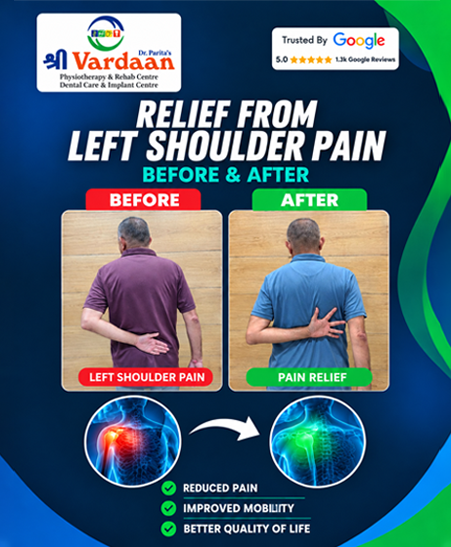
Back-Pain-Relief--Benefits-of-Physiotherapy-Treatment Back Pain Relief Benefits of Physiotherapy Treatment <p>Back pain is a common problem that can affect people of different ages. Long hours of sitting, poor lifting techniques, muscle strain, limited physical activity, and certain medical conditions may contribute to back discomfort.<br /> <br /> Back pain can make everyday activities such as walking, bending, sitting, sleeping, and working more difficult. Physiotherapy treatment for back pain can help improve movement, build strength, and support recovery through an individualized treatment plan.<br /> <br /> The right treatment depends on the cause of the pain, its severity, and the person&#39;s overall health.</p> <h1><strong>What Is Physiotherapy for Back Pain?</strong></h1> <p>Physiotherapy is a healthcare approach that uses assessment, therapeutic exercises, movement guidance, and other appropriate techniques to help manage pain and improve physical function.</p> <p>For back pain, a physiotherapist may assess posture, mobility, muscle strength, daily activities, and symptoms before recommending a suitable treatment plan. Physiotherapy may include exercise, education, and selected manual therapy techniques where appropriate.</p> <h1><strong>Common Causes of Back Pain</strong></h1> <p>Back pain can develop for different reasons, including:</p> <ul> <li>Muscle strain or ligament injury</li> <li>Sitting for long periods</li> <li>Repetitive bending or improper lifting</li> <li>Reduced physical activity</li> <li>Poorly managed exercise loads</li> <li>Disc-related problems</li> <li>Sciatica or nerve irritation</li> <li>Certain spinal or inflammatory conditions</li> </ul> <p>Not all back pain has the same cause. Persistent, worsening, or unusual symptoms should be assessed by a qualified healthcare professional.<br /> &nbsp;</p> <h1>&nbsp;7 Benefits of Physiotherapy Treatment for Back Pain</h1> <p><strong>1. Helps Manage Pain</strong><br /> A personalized physiotherapy plan may help reduce back pain and improve your ability to perform everyday activities. Treatment can include appropriate exercises, movement advice, and selected hands-on techniques.</p> <p><strong>2. Improves Flexibility and Mobility</strong><br /> Back discomfort can make bending, walking, turning, and getting up from a chair difficult. Suitable mobility exercises may help improve movement and make daily tasks easier.</p> <p><strong>&nbsp;3. Strengthens Supporting Muscles</strong><br /> A physiotherapist may recommend exercises to strengthen the muscles around the trunk, hips, and back. Improving strength and physical capacity can help support everyday movement.</p> <p><strong>4. Improves Posture and Movement Habits</strong><br /> Physiotherapy can help you understand how you sit, stand, lift objects, and perform repetitive tasks. Small adjustments to movement habits may help reduce unnecessary strain.</p> <p><strong>&nbsp;5. Supports Recovery and Daily Activities</strong><br /> A structured rehabilitation plan can help people gradually return to activities such as walking, household work, exercise, and work-related tasks according to their ability.</p> <p><strong>6. Helps Manage Recurrent Back Pain</strong><br /> Learning appropriate exercises, activity management, and self-care strategies may help people manage future flare-ups. The plan should be tailored to the individual&#39;s symptoms and capabilities.</p> <p><strong>7. Builds Confidence in Movement</strong><br /> Some people become worried about moving when they experience back pain. Clear guidance from a physiotherapist can help them understand suitable activity levels and return to movement with greater confidence.</p> <p>These benefits vary by individual and depend on the cause of back pain and the treatment plan. Exercise-based care is an important part of recommended management for many cases of lower back pain.</p> <p><strong>Physiotherapy Treatments for Back Pain</strong></p> <p>A physiotherapist may recommend one or more of the following, depending on the assessment:</p> <p>Therapeutic exercises: Strengthening, mobility, and flexibility exercises selected for the person&#39;s condition.</p> <p>Manual therapy:Appropriate hands-on techniques may be used alongside an exercise-based treatment plan.</p> <p>Movement and posture education: Guidance on lifting, sitting, activity modification, and returning to normal activities.</p> <p>Home exercise program:Exercises and activity recommendations to continue between appointments.</p> <p>Progress monitoring:Reviewing symptoms, movement, strength, and functional improvements to adjust the plan.</p> <p>No single treatment is suitable for every person. A qualified professional should determine which methods are appropriate.</p> <h1><strong>Simple Daily Habits That May Help Back Pain</strong></h1> <p>Alongside professional advice, some habits may help manage uncomplicated back pain:</p> <p>* Take regular movement breaks during long periods of sitting.<br /> * Stay active within your comfort level.<br /> * Increase walking and exercise gradually.<br /> * Use appropriate lifting techniques.<br /> * Avoid remaining in bed for long periods.<br /> * Follow your prescribed home exercise program.<br /> * Stop an exercise that significantly worsens your symptoms and seek professional advice.</p> <p>If back pain persists for several weeks or interferes with daily activities, arrange a medical assessment.</p> <h1><strong>When Should You Seek Medical Attention?</strong></h1> <p>Do not rely on physiotherapy alone if you have symptoms that could indicate a serious condition.</p> <p>Seek emergency medical care if back pain occurs with new difficulty controlling your bladder or bowel, loss of sensation around the genitals or anus, or significant weakness or numbness in both legs. Sudden severe pain, rapidly worsening symptoms, fever, or pain following a serious accident also requires prompt medical assessment.</p> <h1><strong>Who May Benefit From Physiotherapy?</strong></h1> <p>After an appropriate assessment, physiotherapy may be helpful for people experiencing:</p> <p>* Lower back discomfort<br /> * Muscle-related back pain<br /> * Stiffness affecting everyday movement<br /> * Back pain related to reduced mobility<br /> * Some cases of sciatica<br /> * Difficulty returning to normal activities after an injury</p> <p>The appropriate treatment depends on the diagnosis and individual circumstances.</p> <h1><strong>Frequently Asked Questions</strong></h1> <p>1.Can physiotherapy help relieve back pain?</p> <p>Physiotherapy may help manage back pain, improve mobility, and support recovery. Results depend on the cause of the pain and the treatment plan.</p> <p>2. How many physiotherapy sessions are needed for back pain?</p> <p>The number of sessions varies depending on symptom severity, diagnosis, progress, and individual goals. A physiotherapist can recommend a suitable plan after assessment.</p> <p>3. Is exercise important in back pain treatment?</p> <p>Yes. Appropriate exercise and staying active are important parts of managing many cases of lower back pain. Exercises should be selected according to the person&#39;s condition and ability.</p> <p>4. Should I rest completely when my back hurts?</p> <p>Prolonged bed rest is generally not recommended for uncomplicated back pain. Gentle activity may be helpful, but severe or unusual symptoms require professional assessment.</p> <p>5. Can physiotherapy prevent back pain from returning?</p> <p>A suitable exercise program and better movement habits may help some people manage recurrent symptoms. However, recurrence cannot always be prevented.</p> <h1><br /> <strong>Conclusion</strong></h1> <p>Back pain can affect comfort, mobility, and daily life. **Physiotherapy treatment for back pain** can support recovery through personalized exercises, movement education, strength development, and appropriate rehabilitation techniques.</p> <p>Understanding the cause of your pain and following professional guidance can help you choose a suitable treatment approach.</p> <p>If your back pain is persistent, severe, or associated with warning signs, seek medical assessment rather than relying on self-treatment.</p> <p>This article is for general educational purposes and is not a substitute for medical advice or an individual clinical assessment.</p> <h1>&nbsp;</h1>

Back Pain Relief Benefits of Physiotherapy Treatment

2026-10-09 06:15:09

Back pain is a common problem that can affect people of different ages. Long hours of sitting, poor lifting techniques, muscle strain, limited physical activity, and certain medical conditions may contribute to back discomfort.

Back pain can make everyday activities such as walking, bending, sitting, sleeping, and working more difficult. Physiotherapy treatment for back pain can
Read more

Why-Is-Your-Child-Limping--Physiotherapy-After-Fracture Why Is Your Child Limping Physiotherapy After Fracture <p>Seeing your child limp while walking can be worrying for any parent. Children are naturally active and enjoy running, jumping, playing sports, and exploring their surroundings. However, an injury, fracture, muscle strain, or another medical condition may affect their ability to walk normally.</p> <p>After a fracture or leg injury, some children may experience stiffness, weakness, reduced movement, or difficulty returning to their usual activities. Physiotherapy after a fracture or injury&nbsp;&nbsp;may help children regain movement, rebuild strength, and return to age-appropriate activities when recommended by their healthcare team.</p> <p>Understanding the cause of your child&#39;s limp is the first step towards choosing the right treatment.</p> <h1><strong>Why Is Your Child Limping?</strong></h1> <p>A limp means a child is walking differently than usual. They may avoid putting weight on one leg, walk unevenly, take shorter steps, or complain of pain while moving.</p> <p><strong>Common reasons include:</strong></p> <p>- Fractures: A broken bone can cause pain, swelling, and difficulty walking.<br /> - Muscle strains and sprains:** Injuries to muscles, ligaments, or other soft tissues may affect movement.<br /> - Foot injuries: Bruises, cuts, blisters, or other foot problems can make walking uncomfortable.<br /> - Joint stiffness: Reduced movement following an injury or immobilization may affect walking.<br /> - Other medical conditions: Some joint, bone, or inflammatory conditions can also cause limping.</p> <p>A limp without an obvious injury should not be ignored. A healthcare professional can assess the cause and determine whether further tests or specialist care are needed.&nbsp;</p> <h1><strong>When Should Parents Seek Medical Attention?</strong></h1> <p>Before starting physiotherapy, it is important to understand why the child is limping.</p> <p><strong>Seek urgent medical assessment if your child:</strong></p> <p>- Suddenly develops severe hip, thigh, knee, or leg pain.<br /> - Cannot put weight on the affected leg.<br /> - Has a visibly deformed limb after an injury.<br /> - Develops a fever and appears unwell.<br /> - Experiences rapidly worsening pain or swelling.</p> <p>A child with an unexplained or persistent limp should also be assessed by a healthcare professional. Do not force the child to walk or begin exercises before the cause has been evaluated.</p> <h1><strong>&nbsp;Why Is Physiotherapy Important After a Fracture?</strong></h1> <p>A fracture may require a cast, splint, or surgery, depending on its type and severity. Once the bone has healed sufficiently and the treating clinician approves rehabilitation, physiotherapy may help address problems that remain after immobilization.</p> <p><strong>1. Helps Restore Joint Movement</strong></p> <p>After wearing a cast or limiting movement for several weeks, a child may experience stiffness in the affected joint.</p> <p>A physiotherapist can recommend age-appropriate mobility exercises when safe to help restore movement gradually.</p> <p><strong>&nbsp;2. Helps Rebuild Muscle Strength</strong></p> <p>Reduced activity during recovery can lead to muscle weakness. A personalized exercise program may help strengthen the muscles around the affected area and improve physical function.</p> <p><strong>&nbsp;3. Supports Walking and Balance</strong></p> <p>Some children may continue to walk unevenly after an injury has healed. With appropriate assessment and rehabilitation, physiotherapy can help them practise walking patterns, balance, and coordination.</p> <p><strong>4. Improves Flexibility</strong></p> <p>Gentle stretching and mobility exercises may help address stiffness when recommended for the child&#39;s injury and stage of recovery.</p> <p>Exercises should never be forced through significant pain or performed against fracture-care instructions.</p> <p><strong>&nbsp;5. Helps Children Return to Daily Activities</strong></p> <p>Physiotherapy may support a gradual return to activities such as walking, climbing stairs, playing, and participating in sports.</p> <p>The timing depends on bone healing, pain, strength, movement, and the treating clinician&#39;s advice.</p> <p><br /> Physiotherapy After Different Types of Injuries</p> <p>The rehabilitation plan depends on the injury, the child&#39;s age, and the stage of healing.</p> <p>After a leg fracture: Rehabilitation may focus on restoring movement, strength, balance, and walking after the treating clinician permits these activities.</p> <p>After an ankle injury: Exercises may address ankle movement, balance, and strength when appropriate.</p> <p>After a knee injury: Treatment may focus on movement, muscle control, and gradual functional recovery.</p> <p>After a muscle strain: A healthcare professional may recommend a gradual return to movement and strengthening as symptoms improve.</p> <p>Not every child needs formal physiotherapy after every injury. The need for rehabilitation should be assessed individually.</p> <p><strong>What Happens During a Child&#39;s Physiotherapy Session?</strong><br /> A pediatric physiotherapy session is adapted to the child&#39;s age, injury, comfort, and rehabilitation goals.</p> <p>Depending on the situation, a session may include:</p> <p>- Reviewing the child&#39;s injury and medical instructions.<br /> - Assessing movement, strength, balance, and walking.<br /> - Teaching appropriate exercises.<br /> - Practising safe functional movements.<br /> - Giving parents guidance for home activities.<br /> - Monitoring progress and adjusting the exercise plan.</p> <p>For children recovering from fractures, the physiotherapist should follow the treating clinician&#39;s restrictions on weight-bearing and movement.</p> <h1><strong>How Can Parents Support Their Child&#39;s Recovery?</strong></h1> <p>Parents play an important role in helping children follow their rehabilitation plan.</p> <p>Here are some practical steps:</p> <p>- Follow the treating clinician&#39;s instructions.<br /> - Encourage exercises only when they have been approved.<br /> - Avoid rushing the child back into sports or strenuous activity.<br /> - Help the child follow the prescribed home exercise program.<br /> - Monitor changes in pain, swelling, and movement.<br /> - Attend recommended follow-up appointments.<br /> - Contact the healthcare team if symptoms worsen or recovery is not progressing as expected.</p> <p>Avoid comparing your child&#39;s recovery time with another child&#39;s experience. Each injury and recovery process is different.</p> <h1><strong>How Long Does Recovery Take After a Fracture or Injury?</strong></h1> <p>Recovery time depends on the type of fracture or injury, the child&#39;s age, the treatment required, and the healing progress.</p> <p>Some injuries recover relatively quickly, while more complex fractures may require a longer period of treatment and rehabilitation.</p> <p>A child should return to sports or strenuous activities only when cleared by the treating healthcare professional. Physiotherapy can support recovery, but it cannot replace proper fracture treatment or guarantee a particular recovery time.</p> <h2><br /> <strong>Frequently Asked Questions</strong></h2> <p><strong>Why is my child still limping after a fracture?</strong></p> <p>A child may limp because of stiffness, weakness, discomfort, or changes in walking after immobilization. However, persistent limping should be reviewed by the treating healthcare professional to rule out ongoing problems.</p> <p><strong>&nbsp;Is physiotherapy necessary after every fracture?</strong></p> <p>No. The need for physiotherapy depends on the type of fracture, the treatment received, remaining stiffness or weakness, and the child&#39;s functional recovery.</p> <p><strong>&nbsp;When can a child start physiotherapy after a fracture?</strong></p> <p>The timing depends on the fracture and its treatment. Follow the treating clinician&#39;s advice before starting exercises, moving the affected area, or putting weight on the limb.</p> <p><strong>Can physiotherapy help a child walk normally again?</strong></p> <p>When appropriate, physiotherapy may help improve strength, movement, balance, and walking. Outcomes depend on the injury, healing, and the child&#39;s individual condition.</p> <p><strong>What should parents do if a child limps without an injury?</strong></p> <p>Arrange a medical assessment rather than assuming it is a minor problem. Seek urgent care if the child cannot bear weight, has severe pain, develops a fever, or appears unwell.<br /> &nbsp;</p> <h1><strong>Conclusion</strong></h1> <p>A child&#39;s limp after a fracture or injury can result from pain, stiffness, weakness, or other underlying problems. Identifying the cause and following appropriate medical advice are essential steps towards recovery.</p> <p>When recommended by the healthcare team, physiotherapy after a fracture or injury can help children gradually restore movement, improve strength, practise balance, and return to everyday activities safely.</p> <p>Parents should seek professional assessment for unexplained or persistent limping and follow the child&#39;s individualized recovery plan.</p> <p>Medical disclaimer: This article is for general educational purposes only and is not a substitute for medical diagnosis or treatment. Seek professional medical advice for a child who is limping.</p> <h1>&nbsp;</h1> <h1>&nbsp;</h1> <h1>&nbsp;</h1> <p>&nbsp;</p> <p><br /> &nbsp;</p> <p>&nbsp;</p> <p><br /> <br /> &nbsp;</p> <p><br /> <br /> &nbsp;</p>

Why Is Your Child Limping Physiotherapy After Fracture

2026-10-10 06:32:40

Seeing your child limp while walking can be worrying for any parent. Children are naturally active and enjoy running, jumping, playing sports, and exploring their surroundings. However, an injury, fracture, muscle strain, or another medical condition may affect their ability to walk normally.

After a fracture or leg injury, some children may experience stiffness, weakness, reduced mov
Read more
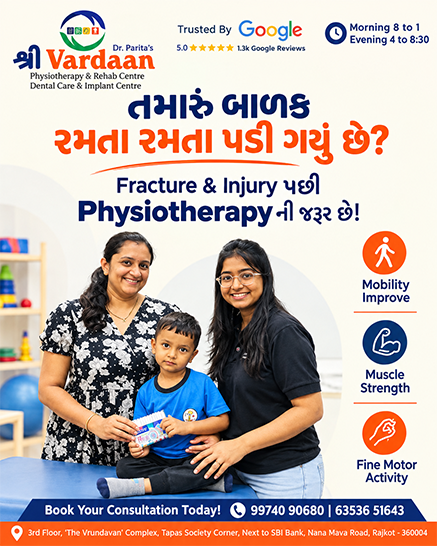
Physiotherapy-for-Back-Pain--Relief---Better-Mobility Physiotherapy for Back Pain Relief Better Mobility <p>Back pain can make everyday activities such as sitting, walking, bending, and working uncomfortable. It may develop because of muscle strain, poor movement habits, an injury, or certain spinal conditions. For many people, physiotherapy for back pain can be a helpful part of managing symptoms, improving movement, and building strength.<br /> <br /> Physiotherapy focuses on understanding the cause of discomfort and developing a suitable treatment plan. With guided exercises, movement advice, and practical techniques, patients can gradually work toward better mobility and a more active lifestyle.</p> <h3><strong>What Is Physiotherapy for Back Pain?</strong></h3> <p>Physiotherapy is a treatment approach that uses exercises, movement training, and other techniques to help manage pain and improve physical function.<br /> <br /> For back pain, a physiotherapist may assess your posture, flexibility, muscle strength, movement, and medical history before recommending treatment.<br /> <br /> The treatment plan depends on your symptoms, physical condition, and the underlying cause of the pain. Physiotherapy may be useful for some cases of lower back pain, muscle stiffness, and recovery after certain injuries.</p> <h3><strong>Common Causes of Back Pain</strong></h3> <p>Back pain can occur for several reasons. Common causes include:</p> <p><strong>Muscle strain</strong></p> <p>Overstretching or straining the muscles in the back.</p> <p><strong>Prolonged sitting</strong></p> <p>Remaining in one position for long periods may contribute to stiffness and discomfort.</p> <p><strong>Poor movement habits</strong></p> <p>Repeated bending or lifting without suitable technique may aggravate symptoms.</p> <p><strong>Limited strength or flexibility</strong></p> <p>Reduced strength or mobility can make some daily activities more difficult.</p> <p><strong>Spinal conditions</strong></p> <p>Conditions such as a herniated disc or sciatica may cause back pain and sometimes leg symptoms.</p> <p><strong>Injury</strong></p> <p>&nbsp;A fall, accident, or sports injury may affect the back.</p> <p>The exact cause is not always obvious. If your back pain is persistent, severe, or affecting daily activities, consult a qualified healthcare professional for assessment.</p> <h3><strong>Benefits of Physiotherapy for Back Pain</strong></h3> <p>Physiotherapy can support recovery and help people manage back pain through an individualised treatment plan.</p> <p><strong>1. Pain Management</strong></p> <p>A physiotherapist can recommend appropriate exercises, movement modifications, and other techniques to help manage discomfort. Treatment depends on the person&#39;s condition and response.</p> <p><strong>2. Improved Mobility and Flexibility</strong></p> <p>Gentle movement and prescribed stretching exercises may help improve flexibility and make activities such as walking, bending, and getting up from a chair easier.</p> <p><strong>3. Better Muscle Strength</strong></p> <p>Strengthening exercises can target the muscles that support the trunk and help improve control during everyday movements.</p> <p><strong>4. Improved Posture and Movement Habits</strong></p> <p>A physiotherapist can help you understand comfortable sitting positions, lifting techniques, and ways to adjust activities that aggravate your symptoms.</p> <p><strong>5. Support for Daily Activities</strong></p> <p>A suitable physiotherapy programme can help you gradually return to activities such as walking, working, exercising, and completing household tasks.</p> <p><strong>6. Long-Term Self-Management</strong></p> <p>Learning how to exercise safely, manage activity levels, and recognise symptom changes can help you take a more active role in managing back pain.<br /> <br /> The results of physiotherapy vary depending on the cause, severity, and duration of the pain, as well as the treatment plan and individual progress.</p> <h3><strong>Physiotherapy Treatments for Back Pain</strong></h3> <p>A physiotherapist may use different approaches depending on your assessment.</p> <p><strong>Therapeutic Exercises</strong></p> <p>Exercises may focus on mobility, flexibility, muscle strength, and movement control. Your physiotherapist will select suitable exercises based on your condition.</p> <p><strong>Stretching Exercises</strong></p> <p>Gentle stretching may help improve movement and reduce stiffness in some people. Exercises should be selected according to your symptoms and physical ability.</p> <p><strong>Strengthening Exercises</strong></p> <p>Exercises for the abdominal, back, hip, and other supporting muscles may form part of a rehabilitation programme when appropriate. &nbsp;</p> <p><strong>Manual Therapy</strong></p> <p>A qualified physiotherapist may use hands-on techniques, such as massage or joint mobilisation, as part of a broader treatment plan that includes exercise and self-management.</p> <p><strong>Posture and Movement Education</strong></p> <p>Guidance on sitting, standing, lifting, and changing positions can help you manage everyday activities more comfortably.</p> <p><strong>Home Exercise Programme</strong></p> <p>Your physiotherapist may provide exercises to practise at home. Following the recommended plan and gradually increasing activity can support recovery.</p> <p>No single treatment works for everyone. A physiotherapist should adapt the programme to your needs and monitor your progress.</p> <p>Simple Tips to Manage Back Pain</p> <p>Alongside professional advice, some general habits may help you manage uncomplicated back pain:</p> <p>&bull; Stay gently active as tolerated instead of remaining in bed for long periods.</p> <p>&bull; Take regular movement breaks if you sit for extended periods.</p> <p>&bull; Increase physical activity gradually.</p> <p>&bull; Use a heat pack wrapped in a towel for short-term relief if suitable for your condition.</p> <p>&bull; Follow exercises recommended by a qualified physiotherapist.</p> <p>&bull; Avoid movements or exercises that significantly worsen your symptoms.</p> <p>&bull; Do not start a generic exercise routine if you have recently experienced a serious injury, undergone back surgery, or been diagnosed with a specific spinal condition without first seeking professional advice.</p> <h3><strong>When Should You Consult a Physiotherapist?</strong></h3> <p>Consider getting a professional assessment if your back pain is not improving, keeps returning, affects your daily activities, or makes movement difficult.</p> <p>Seek urgent medical attention if you develop new bladder or bowel control problems, numbness around the groin or genital area, or new weakness or numbness in both legs. Severe pain that starts suddenly, rapidly worsening symptoms, fever, or pain following a serious accident also requires prompt medical assessment.</p> <p>These symptoms should not be managed with exercises alone.</p> <h3><strong>Frequently Asked Questions</strong></h3> <p><strong>1. Can physiotherapy help with back pain?.</strong></p> <p>Physiotherapy can help some people manage back pain, improve movement, and develop strength through an appropriate treatment programme. Results depend on the cause and severity of the condition.</p> <p><strong>2. How long does physiotherapy for back pain take?.</strong></p> <p>The duration varies. Some people improve within a few weeks, while persistent or complex conditions may require a longer programme. Your physiotherapist can review your progress and adjust the treatment plan.</p> <p><strong>3. Which exercises are useful for lower back pain?.</strong></p> <p>Depending on the individual, a physiotherapist may recommend gentle mobility exercises, stretching, walking, or strengthening activities. The right exercises depend on your symptoms and diagnosis.</p> <p><strong>4. Is physiotherapy suitable for chronic back pain?.</strong></p> <p>Physiotherapy may be part of managing chronic back pain. A healthcare professional can assess the cause of the pain and recommend an appropriate combination of treatments and self-management strategies.</p> <p><strong>5. Should I rest completely when I have back pain?.</strong></p> <p>Prolonged bed rest is generally not recommended for uncomplicated back pain. Gentle activity and a gradual return to normal movement are often encouraged, provided there are no medical reasons to avoid them.</p> <p><strong>7. Can physiotherapy improve mobility?.</strong></p> <p>Physiotherapy may improve mobility by addressing flexibility, strength, movement control, and activity tolerance. Progress differs from person to person.</p> <h3><strong>Conclusion</strong></h3> <p>Physiotherapy for Back Pain: Relief &amp; Better Mobility is about more than temporary comfort. A personalised treatment plan may help manage pain, improve flexibility, strengthen supporting muscles, and make everyday activities easier.</p> <p>If back pain is affecting your routine, consider consulting a qualified healthcare professional to understand its cause and identify suitable treatment options. Follow individualised advice, remain active as tolerated, and work toward recovery at a safe and manageable pace.<br /> &nbsp;</p>

Physiotherapy for Back Pain Relief Better Mobility

2026-10-30 03:36:55

Back pain can make everyday activities such as sitting, walking, bending, and working uncomfortable. It may develop because of muscle strain, poor movement habits, an injury, or certain spinal conditions. For many people, physiotherapy for back pain can be a helpful part of managing symptoms, improving movement, and building strength.

Physiotherapy focuses on understanding the ca
Read more
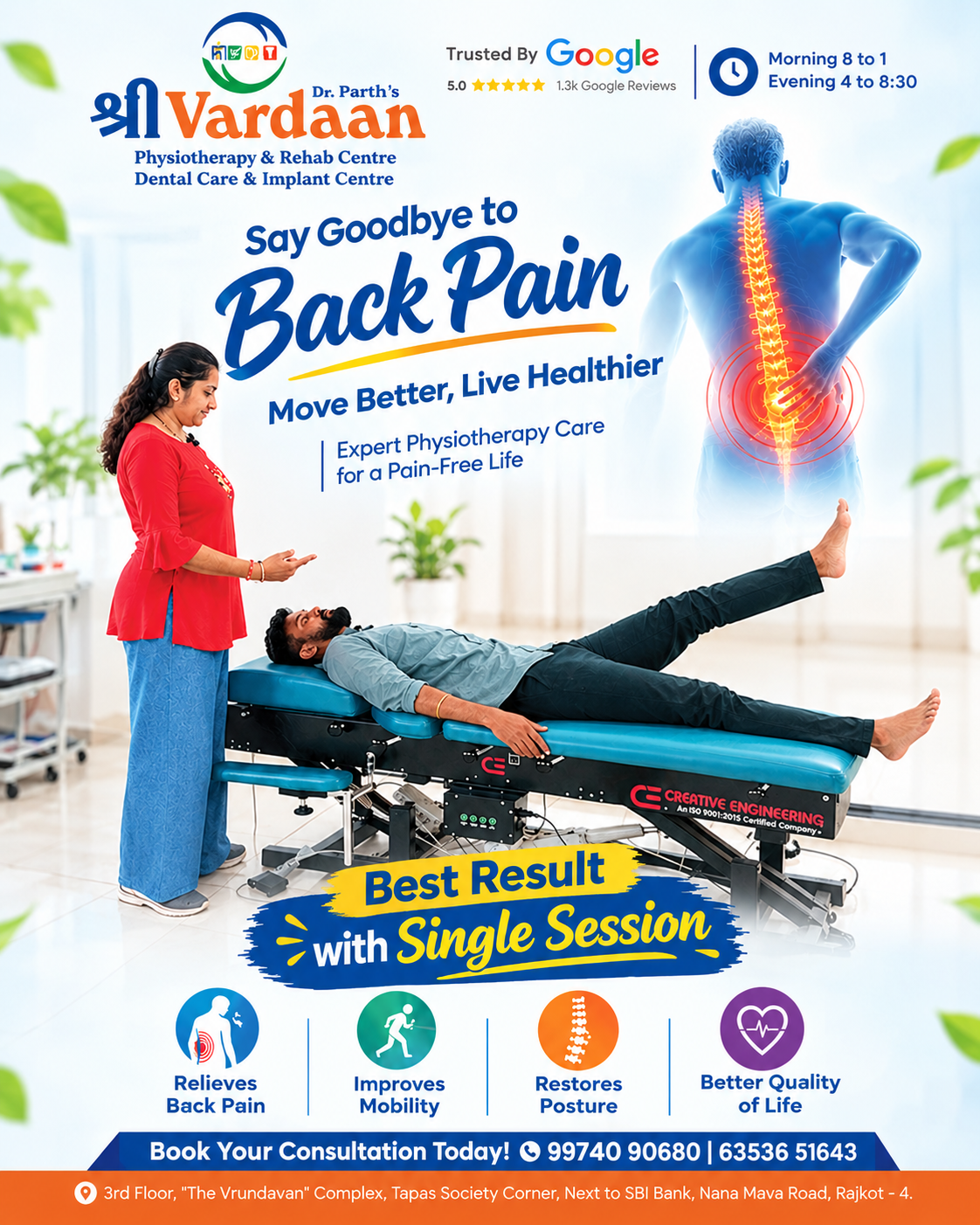
Knee-Pain-in-Athletes--How-Sports-Physiotherapy-Helps-Recovery Knee Pain in Athletes How Sports Physiotherapy Helps Recovery <p>Knee pain is a common problem among athletes and sports players. Activities such as running, jumping, sudden turning, and repetitive movements can put stress on the knee joint. Whether you play table tennis, cricket, football, badminton, or participate in other sports, knee pain can affect your movement, performance, and confidence.</p> <p>Sports physiotherapy can help athletes manage knee pain, improve mobility, rebuild strength, and work toward a safe return to sports<strong>.</strong> With the right assessment and a personalized rehabilitation plan, athletes can address the causes of their symptoms and improve their movement patterns.</p> <p>In this blog, we will explore common causes of knee pain in athletes, how sports physiotherapy supports recovery, and when professional guidance may be helpful</p> <h3><strong>What Causes Knee Pain in Athletes?.</strong></h3> <p>The knee joint plays an important role in running, jumping, landing, and changing direction. Repeated stress or sudden injuries can lead to knee pain in athletes.</p> <p>Some common causes include:</p> <p><strong>1. Overuse Injuries</strong></p> <p>Repeated training, intense practice sessions, and insufficient recovery time can irritate the tissues around the knee. Overuse injuries may develop gradually and become more noticeable during or after physical activity.</p> <p><strong>2. Muscle Weakness and Imbalance</strong></p> <p>The muscles around the hips, thighs, and knees help support movement and control the knee joint. Weakness or poor coordination in these muscles may affect movement mechanics and increase stress on certain tissues.</p> <p><strong>3. Ligament Injuries</strong></p> <p>Sudden changes in direction, awkward landings, or direct impact can injure knee ligaments. Depending on the severity, these injuries may cause pain, swelling, instability, or difficulty bearing weight.</p> <p><strong>4. Patellofemoral Pain</strong></p> <p>Pain around or behind the kneecap can occur during activities such as squatting, running, jumping, or climbing stairs. Training load, muscle function, and movement patterns may contribute to this type of pain.</p> <p><strong>5. Tendon Problems</strong></p> <p>Sports that involve repeated jumping and running can place considerable stress on the tendons around the knee. Tendon-related pain may develop gradually and become more noticeable during sporting activities.</p> <p>Identifying the cause of knee pain is an important first step toward choosing an appropriate recovery plan.</p> <h3><strong>What Is Sports Physiotherapy?</strong></h3> <p>Sports physiotherapy focuses on assessing, treating, and rehabilitating injuries and movement problems associated with physical activity and sports.</p> <p>For athletes experiencing knee pain, a sports physiotherapist may assess joint movement, muscle strength, flexibility, balance, coordination, and sport-specific movements.</p> <p>Based on the assessment, the physiotherapist can develop an individualized rehabilitation program designed to address the athlete&rsquo;s needs, current abilities, and sporting goals.</p> <p>The aim is not only to help manage the current injury but also to improve physical function and prepare the athlete for a gradual return to sport.</p> <h3><strong>How Sports Physiotherapy Helps Athletes Recover from Knee Pain</strong></h3> <p>Sports physiotherapy uses different rehabilitation approaches depending on the injury, symptoms, and individual needs.</p> <p><strong>1. Pain Management</strong></p> <p>The first stage of rehabilitation may focus on managing pain and swelling while maintaining safe movement.</p> <p>A physiotherapist can recommend appropriate activity modification and symptom-management strategies. Treatment methods are selected according to the athlete&rsquo;s condition and assessment findings.</p> <p><strong>2. Improving Knee Mobility</strong></p> <p>Knee stiffness can make it difficult to bend or straighten the leg comfortably. Appropriate mobility exercises may help improve the knee&rsquo;s range of motion when suitable for the injury.</p> <p>Restoring comfortable movement can support everyday activities and prepare the athlete for more demanding rehabilitation exercises.</p> <p><strong>3. Strengthening the Supporting Muscles</strong></p> <p>Strengthening exercises are an important part of many knee rehabilitation programs.</p> <p>Depending on the athlete&rsquo;s condition, exercises may target the quadriceps, hamstrings, gluteal muscles, and calf muscles. Improved strength and control can support functional movements such as walking, squatting, landing, and changing direction.</p> <p>Exercise selection and progression should be guided by the injury and the athlete&rsquo;s tolerance.</p> <p><strong>4. Improving Balance and Stability</strong></p> <p>Balance and coordination are important for athletes who need to control their body during quick movements.</p> <p>A rehabilitation program may include single-leg balance exercises, controlled weight-shifting, and movement-control drills. These exercises can help athletes develop better control during activities required by their sport.</p> <p><strong>5. Sport-Specific Rehabilitation</strong></p> <p>Every sport places different demands on the body. Table tennis requires quick lateral movement and rapid changes in direction, while cricket, football, and badminton involve their own movement patterns.</p> <p>As recovery progresses, a physiotherapist may introduce sport-specific drills that gradually prepare the athlete for the demands of training and competition.</p> <p>The timing and intensity of these drills depend on the injury, recovery progress, and professional assessment.</p> <p><strong>6. Supporting a Safe Return to Sports</strong></p> <p>Returning to sports too early may increase the risk of aggravating an injury.</p> <p>A physiotherapist can help assess factors such as pain, swelling, range of motion, strength, balance, and functional performance when planning a return to activity.</p> <p>The return-to-sport process should be gradual and based on appropriate clinical criteria rather than a fixed timeline alone.</p> <h3><strong>Can Sports Physiotherapy Help Prevent Future Knee Injuries?</strong></h3> <p>Although no rehabilitation program can prevent every injury, appropriate strength and conditioning may help athletes improve movement control and physical preparedness.</p> <p>Useful strategies may include:</p> <ul> <li> <p>Warming up before practice and competition.</p> </li> <li> <p>Increasing training intensity gradually.</p> </li> <li> <p>Including suitable strength and conditioning exercises.</p> </li> <li> <p>Practising correct landing and movement techniques.</p> </li> <li> <p>Allowing sufficient recovery between demanding sessions.</p> </li> <li> <p>Using appropriate footwear and sports equipment.</p> </li> <li> <p>Seeking professional advice when pain persists or returns.</p> </li> </ul> <p>Athletes should pay attention to persistent symptoms rather than repeatedly training through pain.</p> <h3><strong>When Should Athletes Seek Professional Help for Knee Pain?</strong></h3> <p>Athletes should consider a professional assessment when knee pain continues, repeatedly returns during training, or limits their normal movement.</p> <p>Prompt medical assessment is particularly important if knee pain follows a significant injury or is accompanied by severe pain, substantial swelling, visible deformity, locking, or an inability to bear weight.</p> <p>A hot, red knee accompanied by fever also requires urgent medical evaluation.</p> <p>The appropriate treatment depends on the underlying cause, so athletes should avoid assuming that every case of knee pain can be managed with exercises alone.</p> <h3><strong>How Long Does It Take to Recover from Knee Pain?</strong></h3> <p>Recovery time varies depending on the cause and severity of the injury, the athlete&rsquo;s overall health, and the demands of their sport.</p> <p>Some mild problems may improve over a relatively short period, while ligament injuries, significant tendon problems, or other complex conditions may require longer rehabilitation and medical treatment.</p> <p>Following an individualized rehabilitation plan, progressing exercises appropriately, and allowing adequate recovery can support the recovery process.</p> <p>A sports physiotherapist or treating medical professional can help establish realistic goals and guide progress.</p> <h3><strong>Frequently Asked Questions (FAQs)</strong></h3> <p><strong>1. Can sports physiotherapy help with knee pain in athletes?</strong></p> <p>Sports physiotherapy can help manage many causes of knee pain through individualized exercise, movement training, and rehabilitation. The appropriate approach depends on the underlying condition.</p> <p><strong>2. Which exercises may help athletes with knee pain?</strong></p> <p>Depending on the injury, a rehabilitation program may include quadriceps strengthening, hamstring exercises, hip strengthening, balance training, and controlled movement exercises. A professional assessment can help determine which exercises are appropriate.</p> <p><strong>3. Can an athlete continue playing sports with knee pain?</strong></p> <p>It depends on the cause and severity of the pain. Continuing intense activity may aggravate some injuries. Athletes should seek professional advice, especially when pain affects movement or is accompanied by swelling or instability.</p> <p><strong>4. How can athletes reduce the risk of knee injuries?</strong></p> <p>Appropriate strength training, gradual training progression, suitable warm-ups, adequate recovery, and sport-specific movement training may help reduce certain injury risks. However, no strategy can prevent every injury.</p> <p><strong>5. When can an athlete return to sports after a knee injury?</strong></p> <p>Return-to-sport timing depends on the injury and recovery progress. Pain, swelling, mobility, strength, balance, and sport-specific function may all be considered before returning to full activity.</p> <h3><strong>Conclusion</strong></h3> <p>Knee pain can interfere with an athlete&rsquo;s training, performance, and confidence. Understanding the possible cause of the pain and following an appropriate rehabilitation plan are important steps toward recovery.</p> <p>Sports physiotherapy can help athletes work on pain management, knee mobility, muscle strength, balance, and sport-specific movement. With individualized guidance and a gradual return-to-sport plan, athletes can work toward restoring function and returning to their chosen activities safely.</p>

Knee Pain in Athletes How Sports Physiotherapy Helps Recovery

2026-10-30 03:36:21

Knee pain is a common problem among athletes and sports players. Activities such as running, jumping, sudden turning, and repetitive movements can put stress on the knee joint. Whether you play table tennis, cricket, football, badminton, or participate in other sports, knee pain can affect your movement, performance, and confidence.

Sports physiotherapy can help athletes manage knee p
Read more
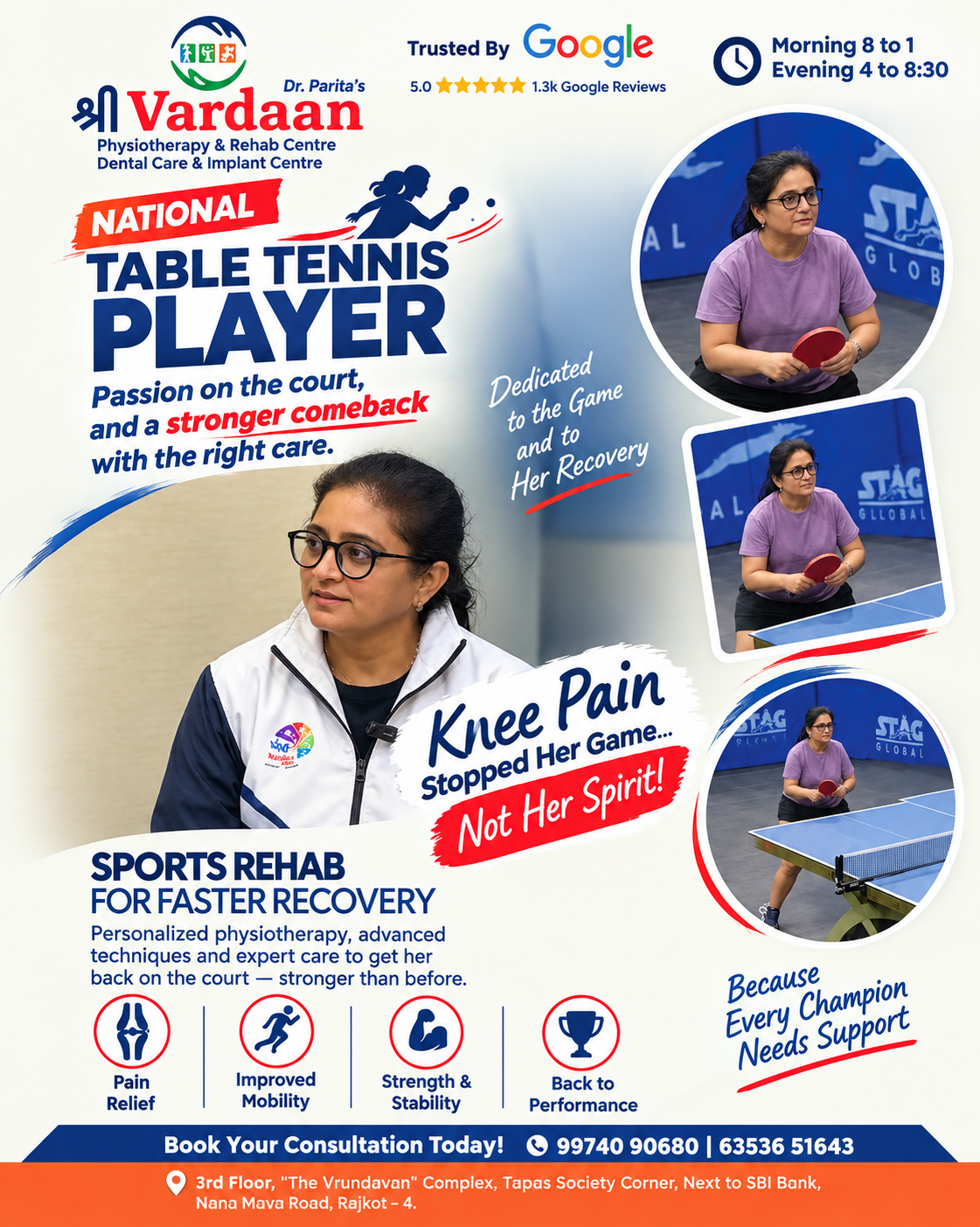
Hemiplegia-After-Stroke--Physiotherapy-for-Hand-Movement---Walking Hemiplegia After Stroke Physiotherapy for Hand Movement Walking <p>A stroke can significantly affect a person&#39;s ability to move, walk, maintain balance, and perform everyday activities. One possible complication is hemiplegia, a condition that causes paralysis on one side of the body. It can affect the arm, hand, leg, and foot, making daily activities more challenging.</p> <p>With appropriate medical care and a personalized physiotherapy rehabilitation program, many stroke survivors can work toward improving their movement, independence, and quality of life.</p> <p>In this blog, we will explore what hemiplegia is, how it affects hand movement and walking, and how physiotherapy can support stroke recovery.</p> <h3><strong>What Is Hemiplegia After a Stroke?</strong></h3> <p>Hemiplegia refers to paralysis affecting one side of the body. It can occur when a stroke damages the part of the brain responsible for controlling movement.</p> <p>Depending on the location and severity of the stroke, a person may experience weakness or paralysis in one arm and leg, difficulty controlling hand movements, balance problems, or challenges with walking.</p> <p>Common difficulties include:</p> <ul> <li> <p>Reduced hand and finger movement</p> </li> <li> <p>Difficulty holding or picking up objects</p> </li> <li> <p>Weakness in the arm or leg</p> </li> <li> <p>Difficulty standing or walking independently</p> </li> <li> <p>Poor balance and coordination</p> </li> <li> <p>Challenges performing daily activities such as dressing, eating, and bathing</p> </li> </ul> <p>The symptoms and recovery process vary from person to person. Early medical assessment and appropriate rehabilitation can help determine the most suitable treatment approach.</p> <h3><strong>How Does Physiotherapy Help After a Stroke?</strong></h3> <p>Physiotherapy plays an important role in stroke rehabilitation. It focuses on improving movement, strength, balance, coordination, and functional independence.</p> <p>A physiotherapist assesses the patient&#39;s condition and develops an individualized rehabilitation plan based on their abilities, needs, and recovery goals.</p> <p>Depending on the patient&#39;s condition, physiotherapy may include:</p> <ul> <li> <p>Therapeutic exercises to improve movement and strength</p> </li> <li> <p>Task-specific training to practice everyday activities</p> </li> <li> <p>Balance and coordination exercises</p> </li> <li> <p>Gait training to improve walking</p> </li> <li> <p>Functional training for greater independence</p> </li> <li> <p>Positioning and movement guidance to support safe mobility</p> </li> </ul> <p>The goal is to help the patient practice useful movements and gradually improve their ability to participate in daily life.</p> <h3><strong>Physiotherapy for Better Hand and Arm Movement</strong></h3> <p>After a stroke, some people experience difficulty moving their fingers, gripping objects, or using the affected arm during everyday tasks.</p> <p>Hand rehabilitation focuses on practicing movements that support practical activities. The exercises selected depend on the patient&#39;s muscle control, sensation, strength, and ability to follow instructions.</p> <h3><strong>Common Hand Rehabilitation Approaches</strong></h3> <p><strong>1. Range-of-Motion Exercises</strong></p> <p>Gentle, guided movements may help maintain joint mobility and reduce stiffness. A physiotherapist can advise which movements are appropriate for the affected arm and hand.</p> <p><strong>2. Repetitive Task Practice</strong></p> <p>Practicing suitable tasks, such as reaching for an object or holding a lightweight item, may help improve functional movement over time.</p> <p><strong>3. Grip and Finger Training</strong></p> <p>When appropriate, exercises may focus on finger movement, grasping, releasing, and handling everyday objects.</p> <p><strong>4. Functional Arm Training</strong></p> <p>Patients may practice using the affected arm during activities such as reaching, touching, or supporting objects under professional supervision.</p> <p>Hand recovery can take time. Progress depends on several factors, including the severity of the stroke, the level of movement initially present, and participation in rehabilitation.</p> <h3><strong>Physiotherapy for Better Walking and Balance</strong></h3> <p>Walking difficulties after a stroke may result from weakness, reduced coordination, poor balance, changes in muscle tone, or difficulty controlling the affected leg.</p> <p>A physiotherapist evaluates walking ability and identifies the areas that require rehabilitation.</p> <h3>Walking Rehabilitation May Include:</h3> <p><strong>1. Standing and Weight-Shifting Practice</strong></p> <p>Suitable exercises can help patients practice standing safely and shifting their weight between their legs.</p> <p><strong>2. Balance Training</strong></p> <p>Balance exercises may improve postural control and help patients perform movement tasks more safely.</p> <p><strong>3. Gait Training</strong></p> <p>Gait training focuses on practicing walking patterns, step placement, and coordination. Depending on the patient&#39;s abilities, a walking aid or physical assistance may be needed.</p> <p><strong>4. Leg Strengthening Exercises</strong></p> <p>Appropriate exercises may help improve strength and control in the muscles used for standing and walking.</p> <p><strong>5. Functional Mobility Training</strong></p> <p>Patients may practice activities such as standing up from a chair, turning, and moving between different positions.</p> <p>Walking rehabilitation should be tailored to the individual&#39;s needs. Patients should not attempt challenging walking exercises without appropriate support if they are at risk of falling.</p> <h3><strong>Why Is Early Stroke Rehabilitation Important?</strong></h3> <p>Stroke rehabilitation should begin when the medical team determines that the patient is medically stable and ready to participate.</p> <p>A suitable rehabilitation plan can help patients practice movement, work toward functional goals, and reduce complications associated with prolonged inactivity.</p> <p>Rehabilitation may continue for weeks, months, or longer, depending on the individual&#39;s condition and progress.</p> <p>Consistent practice, professional guidance, and support from family members can all contribute to the rehabilitation process.</p> <h3><strong>When Should You Seek Medical Attention?</strong></h3> <p>If a person suddenly develops facial drooping, weakness or numbness on one side of the body, difficulty speaking, sudden vision problems, or a sudden loss of balance, seek emergency medical care immediately. These may be signs of a new stroke.</p> <p>Do not wait for symptoms to improve on their own.</p> <p>If a stroke survivor experiences new or worsening symptoms, they also need prompt medical assessment.</p> <h3><strong>How Shri Vardaan Physiotherapy &amp; Rehab Centre Can Help</strong></h3> <p>Stroke rehabilitation requires an approach that considers each patient&#39;s individual needs, movement difficulties, and recovery goals.</p> <p>At Shri Vardaan Physiotherapy &amp; Rehab Centre, rehabilitation assessment and physiotherapy guidance can help identify suitable approaches for improving movement, hand function, balance, and walking ability.</p> <p>The rehabilitation plan should be based on the patient&#39;s medical condition, functional assessment, and the treating healthcare team&#39;s recommendations.</p> <h3><strong>Frequently Asked Questions (FAQs)</strong></h3> <p><strong>1. Can physiotherapy help hemiplegia after a stroke?</strong></p> <p>Physiotherapy can help many stroke survivors work toward improving movement, balance, strength, and functional independence. The results depend on the severity of the stroke and individual recovery factors.</p> <p><strong>2. Can hand movement improve after a stroke?</strong></p> <p>Hand movement may improve with appropriate rehabilitation and repeated practice of suitable tasks. The amount of improvement varies from person to person.</p> <p><strong>3. Can a stroke patient walk again?</strong></p> <p>Some stroke survivors regain the ability to walk independently, while others may need assistance or a walking aid. A physiotherapist can assess walking ability and recommend an appropriate rehabilitation plan.</p> <p><strong>4. How long does stroke physiotherapy take?</strong></p> <p>The duration depends on the patient&#39;s condition, rehabilitation goals, progress, and medical needs. Some people require rehabilitation for several months or longer.</p> <p><strong>5. When should physiotherapy begin after a stroke?</strong></p> <p>Rehabilitation can begin once the medical team confirms that the patient is medically stable and ready. The timing and intensity should be determined by the treating healthcare professionals.</p> <h3><strong>Conclusion</strong></h3> <p>Hemiplegia after a stroke can affect hand movement, walking, balance, and everyday independence. A personalized physiotherapy rehabilitation program can help patients practice functional movements and work toward meaningful recovery goals.</p> <p>With appropriate medical care, professional guidance, and consistent rehabilitation, stroke survivors can work toward improving their mobility and quality of life.</p> <p>&nbsp;</p>

Hemiplegia After Stroke Physiotherapy for Hand Movement Walking

2026-10-30 22:33:04

A stroke can significantly affect a person's ability to move, walk, maintain balance, and perform everyday activities. One possible complication is hemiplegia, a condition that causes paralysis on one side of the body. It can affect the arm, hand, leg, and foot, making daily activities more challenging.

With appropriate medical care and a personalized physiotherapy rehabilitation
Read more
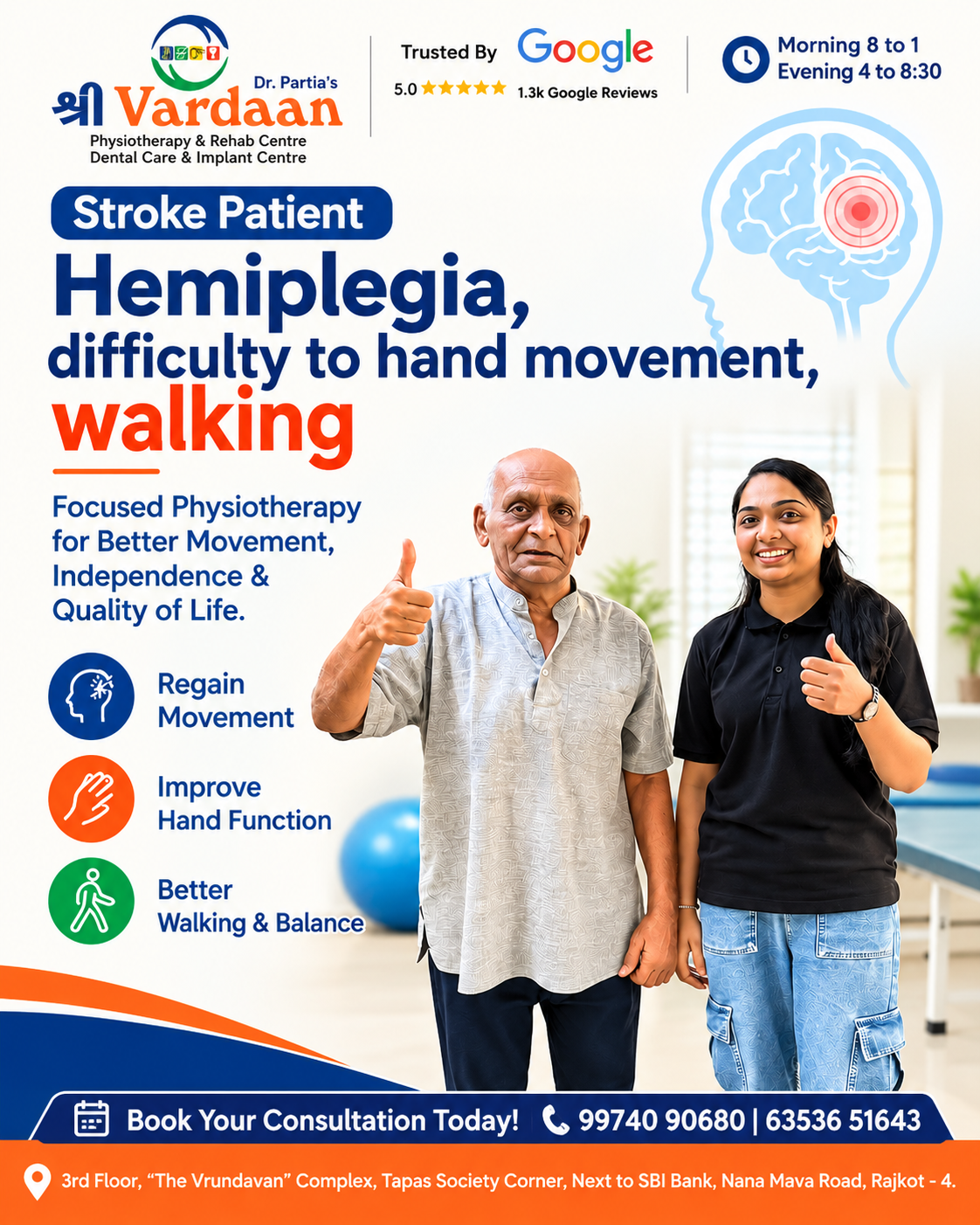
Knee-Arthroscopy-Surgery--Benefits---Recovery Knee Arthroscopy Surgery Benefits Recovery <p>Knee pain, stiffness, swelling, and difficulty walking can significantly affect your daily life. Whether caused by a sports injury, meniscus tear, ligament damage, or cartilage problems, knee conditions can make simple activities such as climbing stairs, walking, sitting, and standing uncomfortable.</p> <p>Knee Arthroscopy Surgery is a minimally invasive surgical procedure used to diagnose and treat certain problems inside the knee joint. It is commonly known as keyhole surgery because it involves small incisions rather than one large surgical cut.</p> <p>During the procedure, an orthopaedic surgeon inserts a small camera called an arthroscope into the knee joint. This camera provides a clear view of the internal structures, allowing the surgeon to examine and treat specific knee problems using specialised instruments.</p> <p>One of the important advantages of knee arthroscopy is that it generally involves smaller incisions and may allow a quicker recovery compared with traditional open surgery. However, the results and recovery period depend on the patient&#39;s condition and the type of procedure performed.</p> <p>Proper post-surgical care, guided exercises, and physiotherapy also play an important role in restoring knee strength, flexibility, balance, and mobility.</p> <p>At Vardaan Physiotherapy &amp; Rehab Centre, patients can seek physiotherapy and rehabilitation support to help improve movement and support their recovery journey after knee surgery.</p> <h3><strong>What Is Knee Arthroscopy Surgery?</strong></h3> <p>Knee arthroscopy surgery is a minimally invasive procedure that helps orthopaedic surgeons examine and treat problems inside the knee joint.</p> <p>The surgeon makes small incisions around the knee and inserts an arthroscope equipped with a tiny camera. The camera displays images on a monitor, helping the surgeon identify damaged tissues and perform the required treatment.</p> <p>This procedure may be recommended for certain conditions, including:</p> <ul> <li> <p>Meniscus tears</p> </li> <li> <p>ACL and other ligament injuries</p> </li> <li> <p>Loose cartilage or bone fragments</p> </li> <li> <p>Certain cartilage injuries</p> </li> <li> <p>Inflamed joint tissue</p> </li> <li> <p>Some mechanical knee problems</p> </li> </ul> <p>Not every knee condition requires arthroscopic surgery. An orthopaedic specialist evaluates the patient&#39;s symptoms, examination findings, and imaging reports before recommending treatment.</p> <h3><strong>Major Benefits of Knee Arthroscopy Surgery</strong></h3> <p>Knee arthroscopy offers several potential benefits depending on the patient&#39;s knee condition and the treatment required.</p> <p><strong>1. Smaller Surgical Incisions</strong></p> <p>The procedure uses small incisions, which generally cause less disruption to surrounding soft tissues compared with traditional open surgery.</p> <p><strong>2. Less Postoperative Discomfort</strong></p> <p>Many patients experience less pain and joint stiffness compared with open procedures, although some pain and swelling after surgery are normal.</p> <p><strong>3. Faster Initial Recovery</strong></p> <p>Because the procedure is minimally invasive, some patients can resume basic daily activities sooner than after open surgery.</p> <p><strong>4. Improved Knee Movement</strong></p> <p>Treating certain damaged structures may help reduce mechanical symptoms and improve knee movement.</p> <p><strong>5. Targeted Treatment</strong></p> <p>The arthroscope allows the surgeon to view the inside of the knee and treat specific problems using specialised instruments.</p> <p><strong>6. Support for Returning to Daily Activities</strong></p> <p>With appropriate treatment and rehabilitation, patients may gradually return to walking, working, and other routine activities.</p> <p><strong>7. Better Rehabilitation Opportunities</strong></p> <p>After surgery, a structured physiotherapy programme can help rebuild muscle strength, improve flexibility, and restore functional movement.</p> <p>Important: These are potential benefits, not guaranteed results. Outcomes depend on the underlying condition and the procedure performed.</p> <h3><strong>Knee Arthroscopy Surgery Recovery Process</strong></h3> <p>Recovery after knee arthroscopy varies from person to person. The type of surgery, severity of the injury, general health, and rehabilitation programme all influence the recovery period.</p> <p>Here is a general overview of the recovery process.</p> <p><strong>Stage 1: Initial Recovery</strong></p> <p>Immediately after surgery, patients may experience mild to moderate pain, swelling, and stiffness. Following the surgeon&#39;s instructions regarding rest, wound care, medication, and leg positioning is important.</p> <p><strong>Stage 2: Early Movement</strong></p> <p>As advised by the treating surgeon, patients may begin gentle knee movements and basic exercises. These help maintain joint mobility and activate the surrounding muscles.</p> <p><strong>Stage 3: Strengthening and Rehabilitation</strong></p> <p>Physiotherapy may focus on strengthening the quadriceps, hamstrings, and surrounding muscles. Controlled exercises can also help improve flexibility, balance, and walking patterns.</p> <p><strong>Stage 4: Returning to Daily Activities</strong></p> <p>As strength and mobility improve, patients may gradually resume routine activities. Returning to sports, strenuous exercise, or physically demanding work requires medical clearance.</p> <p>Recovery may take around one week to several months, depending on the procedure and individual circumstances. More complex repairs may require a longer rehabilitation period.</p> <h3><strong>Importance of Physiotherapy After Knee Arthroscopy</strong></h3> <p>Physiotherapy is an important part of recovery following knee arthroscopy. Surgery may address the underlying structural problem, but the muscles and joint often need guided rehabilitation to regain their normal function.</p> <p>A personalised physiotherapy programme may help patients with:</p> <ul> <li> <p>Improved Knee Flexibility: Exercises help gradually restore comfortable knee bending and straightening.</p> </li> <li> <p>Muscle Strengthening: Strengthening exercises target the muscles supporting the knee joint.</p> </li> <li> <p>Better Balance: Balance training helps improve stability during standing and walking.</p> </li> <li> <p>Walking Improvement: Gait training supports a gradual return to a comfortable walking pattern.</p> </li> <li> <p>Swelling Management: Appropriate movement and recovery strategies may help manage postoperative swelling.</p> </li> <li> <p>Functional Mobility: Guided exercises help patients gradually return to everyday activities.</p> </li> </ul> <p>The physiotherapy programme should be based on the type of surgery and the surgeon&#39;s instructions. Exercises should not be started or progressed without appropriate professional guidance.</p> <h3><strong>Common Physiotherapy Exercises After Knee Arthroscopy</strong></h3> <p>Depending on the patient&#39;s recovery stage, a physiotherapist may recommend exercises such as:</p> <p><strong>1. Ankle Pumps: </strong>Gentle ankle movements that encourage circulation while the patient is resting.</p> <p><strong>2. Quadriceps Sets: </strong>Gentle tightening of the thigh muscles to help activate the quadriceps.</p> <p><strong>3. Heel Slides:</strong> Controlled bending of the knee to gradually improve flexibility.</p> <p><strong>4. Straight Leg Raises:</strong> Exercises designed to strengthen the thigh muscles while maintaining knee control.</p> <p><strong>5. Knee Extension Exercises: </strong>Guided movements that help improve the ability to straighten the knee.</p> <p><strong>6. Balance Training: </strong>Exercises that gradually improve stability and coordination.</p> <p>Not all exercises are suitable for every patient. The exercise selection, repetitions, and progression should be decided by a qualified physiotherapist according to the surgical procedure and recovery stage.</p> <h3><strong>Tips for a Smooth Knee Surgery Recovery</strong></h3> <p>Following a few important precautions can support the healing process:</p> <ul> <li> <p>Follow your orthopaedic surgeon&#39;s postoperative instructions.</p> </li> <li> <p>Attend scheduled follow-up appointments.</p> </li> <li> <p>Complete prescribed physiotherapy sessions regularly.</p> </li> <li> <p>Avoid excessive pressure on the operated knee.</p> </li> <li> <p>Do not rush into running, jumping, or heavy exercise.</p> </li> <li> <p>Maintain a balanced diet and adequate hydration.</p> </li> <li> <p>Keep surgical wounds clean and follow dressing instructions.</p> </li> <li> <p>Use walking support or a knee brace if prescribed.</p> </li> </ul> <p>If you experience increasing pain, severe swelling, fever, wound discharge, or unusual symptoms, contact your treating medical team promptly.</p> <h3><strong>Who May Need Knee Arthroscopy Surgery?</strong></h3> <p>Knee arthroscopy may be considered for individuals experiencing certain knee problems that require surgical evaluation.</p> <p>These may include:</p> <ul> <li> <p>People with specific meniscus injuries.</p> </li> <li> <p>Individuals with certain ligament injuries.</p> </li> <li> <p>Patients experiencing knee locking due to loose fragments.</p> </li> <li> <p>People with selected cartilage injuries.</p> </li> <li> <p>Individuals with persistent mechanical knee symptoms.</p> </li> </ul> <p>However, knee arthroscopy is not suitable for every person experiencing knee pain. For example, it is not routinely recommended simply to treat knee osteoarthritis. A specialist consultation is necessary to determine the most appropriate treatment.</p> <h3><strong>Why Choose Vardaan Physiotherapy &amp; Rehab Centre?</strong></h3> <p>Choosing the right physiotherapy and rehabilitation support is important for improving mobility and rebuilding strength after knee surgery.</p> <p>Vardaan Physiotherapy &amp; Rehab Centre focuses on supporting patients through professional physiotherapy and rehabilitation services.</p> <p>The centre aims to help patients with:</p> <ul> <li> <p>Personalised physiotherapy guidance.</p> </li> <li> <p>Knee mobility and flexibility exercises.</p> </li> <li> <p>Muscle strengthening programmes.</p> </li> <li> <p>Post-surgical rehabilitation support.</p> </li> <li> <p>Balance and coordination training.</p> </li> <li> <p>Functional movement improvement.</p> </li> </ul> <p>With appropriate professional guidance and a structured rehabilitation plan, patients can work towards improving their mobility and returning to everyday activities.</p> <h3><strong>Frequently Asked Questions (FAQs)</strong></h3> <p><strong>Q1. What is knee arthroscopy surgery?</strong></p> <p>Knee arthroscopy is a minimally invasive procedure in which a surgeon uses a small camera and specialised instruments to examine and treat problems inside the knee joint.</p> <p><strong>Q2. How long does it take to recover from knee arthroscopy?</strong></p> <p>Recovery can range from approximately one week to several months. It depends on the type of procedure, the severity of the injury, and the patient&#39;s overall health.</p> <p><strong>Q3. Is physiotherapy necessary after knee arthroscopy?</strong></p> <p>Physiotherapy is recommended for many patients after knee arthroscopy. It helps restore knee movement, strengthen muscles, and improve functional mobility according to the surgical protocol.</p> <p><strong>Q4. Can I walk normally after knee arthroscopy?</strong></p> <p>Many patients gradually return to normal walking. However, the timing depends on the procedure performed and the weight-bearing instructions provided by the surgeon.</p> <p><strong>Q5. Can knee arthroscopy completely remove knee pain?</strong></p> <p>Knee arthroscopy may help relieve symptoms caused by certain treatable knee conditions. However, complete pain relief cannot be guaranteed, especially when underlying joint damage or arthritis is present.</p> <h3><strong>Conclusion</strong></h3> <p>Knee arthroscopy surgery is an effective treatment option for certain knee conditions. However, proper postoperative care and guided physiotherapy are essential parts of the recovery journey.</p> <p>With the right rehabilitation approach, patients can gradually improve knee strength, flexibility, and mobility.</p> <p>Vardaan Physiotherapy &amp; Rehab Centre supports patients with professional physiotherapy and rehabilitation services to help them move towards a healthier and more active lifestyle.</p> <h2>&nbsp;</h2>

Knee Arthroscopy Surgery Benefits Recovery

2026-11-01 05:38:56

Knee pain, stiffness, swelling, and difficulty walking can significantly affect your daily life. Whether caused by a sports injury, meniscus tear, ligament damage, or cartilage problems, knee conditions can make simple activities such as climbing stairs, walking, sitting, and standing uncomfortable.

Knee Arthroscopy Surgery is a minimally invasive surgical procedure used to diagnose a
Read more

How-to-Improve-Posture--Benefits---Physiotherapy How to Improve Posture Benefits Physiotherapy <p>Good posture plays an important role in maintaining a healthy and active lifestyle. Whether you are sitting at a desk, working on a computer, walking, standing, or performing everyday activities, the way you position your body can influence your comfort and movement.</p> <p>Poor posture is a common concern among people who spend long hours sitting, using mobile phones, working on computers, or maintaining the same body position for extended periods. Rounded shoulders, a forward head position, uneven shoulder alignment, and excessive slouching are some common postural concerns.</p> <p>Over time, poor posture habits may contribute to muscle discomfort, stiffness, and movement difficulties. This is why learning how to improve posture is important for maintaining better body alignment and supporting everyday physical activities.</p> <p>Physiotherapy can play an important role in posture improvement through individual assessment, corrective exercises, muscle strengthening, flexibility training, and movement education.</p> <p>At Vardaan Physiotherapy &amp; Rehab Centre, patients can seek professional physiotherapy guidance to work towards better posture, improved shoulder alignment, and healthier movement habits.</p> <h3><strong>What Is Good Posture?</strong></h3> <p>Good posture refers to maintaining a comfortable and balanced body position while sitting, standing, walking, and performing daily activities.</p> <p>It helps distribute pressure across muscles, joints, and the spine while supporting natural body movement.</p> <p>There are two main types of posture:</p> <p><strong>&bull; Static Posture</strong></p> <p>Static posture refers to how you position your body when you are not moving.</p> <p>Examples include:</p> <ul> <li> <p>Sitting at a desk.</p> </li> <li> <p>Standing in one place.</p> </li> <li> <p>Sleeping or resting.</p> </li> <li> <p>Sitting while using a mobile phone.</p> </li> </ul> <p><strong>&bull; Dynamic Posture</strong></p> <p>Dynamic posture refers to how you maintain body alignment while moving.</p> <p>Examples include:</p> <ul> <li> <p>Walking and running.</p> </li> <li> <p>Bending and lifting objects.</p> </li> <li> <p>Climbing stairs.</p> </li> <li> <p>Performing exercise and sports activities.</p> </li> </ul> <p>Maintaining comfortable body alignment during both static and dynamic activities can support better movement and reduce unnecessary strain.</p> <h3><strong>Common Signs of Poor Posture</strong></h3> <p>Poor posture can develop gradually because of daily habits, muscle weakness, limited flexibility, or prolonged positioning.</p> <p>Some common signs include:</p> <p><strong>1. Rounded Shoulders</strong></p> <p>The shoulders move forward instead of staying comfortably aligned with the upper body. This may be associated with tight chest muscles and reduced upper-back strength.</p> <p><strong>2. Forward Head Posture</strong></p> <p>The head moves forward in front of the shoulders, which may increase the workload on the neck muscles.</p> <p><strong>3. Uneven Shoulder Alignment</strong></p> <p>One shoulder appears higher than the other. This may be related to muscle imbalance, body positioning, or other underlying conditions.</p> <p><strong>4. Slouching While Sitting</strong></p> <p>The upper back becomes rounded, and the head moves forward while sitting for long periods.</p> <p><strong>5. Excessive Lower Back Arching</strong></p> <p>The lower back may develop an exaggerated arch, sometimes associated with muscle weakness or movement habits.</p> <p><strong>6. Neck and Back Discomfort</strong></p> <p>Some individuals experience muscle tightness, stiffness, or discomfort around the neck, shoulders, and back.</p> <p>If these signs are persistent or associated with pain, a professional assessment can help identify the underlying cause.</p> <h3><strong>Benefits of Maintaining Good Posture</strong></h3> <p>Practising healthy posture habits offers several benefits for everyday movement and physical comfort.</p> <p><strong>1. Better Body Alignment</strong></p> <p>Good posture supports balanced positioning of the head, shoulders, spine, and hips.</p> <p><strong>2. Reduced Muscle Strain</strong></p> <p>Comfortable alignment can help distribute physical stress more evenly across muscles and joints.</p> <p><strong>3. Improved Shoulder Positioning</strong></p> <p>Posture exercises can help strengthen the upper back and support better shoulder movement.</p> <p><strong>4. Better Flexibility and Mobility</strong></p> <p>Regular stretching and strengthening exercises can help improve flexibility and movement.</p> <p><strong>5. Improved Balance and Stability</strong></p> <p>Core strengthening and body-awareness exercises can support better balance during daily activities.</p> <p><strong>6. Better Everyday Movement</strong></p> <p>Healthy movement habits can make activities such as sitting, walking, standing, and working more comfortable.</p> <p><strong>7. Increased Physical Confidence</strong></p> <p>Maintaining an upright and comfortable body position can help people feel more confident during everyday activities.</p> <p>These benefits depend on individual needs, physical condition, and consistent exercise habits.</p> <h3><strong>How to Improve Posture in Daily Life</strong></h3> <p>Improving posture does not always require complicated exercises. Small changes in your daily routine can help develop healthier movement habits.</p> <p>Here are some practical tips:</p> <p><strong>1. Maintain a Comfortable Sitting Position</strong></p> <ul> <li> <p>Keep your feet supported on the floor.</p> </li> <li> <p>Keep your back comfortably supported.</p> </li> <li> <p>Avoid continuously leaning forward.</p> </li> <li> <p>Position your computer screen near eye level.</p> </li> <li> <p>Relax your shoulders while working.</p> </li> </ul> <p><strong>2. Maintain Proper Standing Alignment</strong></p> <ul> <li> <p>Keep your head comfortably aligned above your shoulders.</p> </li> <li> <p>Relax your shoulders.</p> </li> <li> <p>Distribute your weight comfortably across both feet.</p> </li> <li> <p>Avoid locking your knees.</p> </li> <li> <p>Keep your body balanced.</p> </li> </ul> <p><strong>3. Avoid Prolonged Sitting</strong></p> <p>Take regular movement breaks instead of remaining in the same position for several hours.</p> <p><strong>4. Use Your Mobile Phone at a Comfortable Height</strong></p> <p>Avoid continuously looking down at your phone. Raise it closer to eye level when possible.</p> <p><strong>5. Stay Physically Active</strong></p> <p>Walking, stretching, strengthening exercises, and other suitable physical activities can help maintain muscle function and flexibility.</p> <p><strong>6. Strengthen Your Core Muscles</strong></p> <p>Your abdominal, back, and pelvic muscles contribute to body stability. Appropriate strengthening exercises can support better posture.</p> <p><strong>7. Develop Healthy Daily Habits</strong></p> <p>Pay attention to your body position while working, walking, studying, and performing household activities.</p> <h3><strong>Best Exercises to Improve Posture</strong></h3> <p>Posture correction exercises generally focus on strengthening weak muscles, improving flexibility, and developing better body awareness.</p> <p>Here are some exercises that may be included in a physiotherapy programme.</p> <p><strong>1. Chin Tucks</strong></p> <p>Chin tucks help train the muscles responsible for supporting the neck and improving forward head positioning.</p> <ul> <li> <p>Sit or stand comfortably.</p> </li> <li> <p>Look straight ahead.</p> </li> <li> <p>Gently move your chin backwards.</p> </li> <li> <p>Avoid tilting your head up or down.</p> </li> <li> <p>Hold briefly and relax.</p> </li> </ul> <p><strong>2. Wall Angels</strong></p> <p>Wall angels help improve shoulder mobility and upper-body movement.</p> <ul> <li> <p>Stand with your back against a wall.</p> </li> <li> <p>Position your arms comfortably against the wall.</p> </li> <li> <p>Slowly move your arms upward.</p> </li> <li> <p>Return to the starting position.</p> </li> <li> <p>Perform controlled movements without forcing your shoulders.</p> </li> </ul> <p><strong>3. Shoulder Blade Squeezes</strong></p> <p>This exercise helps strengthen the muscles around the shoulder blades.</p> <ul> <li> <p>Sit or stand with your back comfortable.</p> </li> <li> <p>Gently bring your shoulder blades towards each other.</p> </li> <li> <p>Avoid raising your shoulders.</p> </li> <li> <p>Hold briefly and relax.</p> </li> </ul> <p><strong>4. Chest Stretch</strong></p> <p>Chest stretching may help improve flexibility in tight chest muscles.</p> <ul> <li> <p>Stand near an open doorway.</p> </li> <li> <p>Place your forearms against the doorframe.</p> </li> <li> <p>Gently move your body forward.</p> </li> <li> <p>Feel a comfortable stretch across your chest.</p> </li> <li> <p>Hold briefly and release.</p> </li> </ul> <p><strong>5. Pelvic Tilts</strong></p> <p>Pelvic tilts help improve awareness and control of pelvic and lower-back movement.</p> <ul> <li> <p>Lie on your back with your knees bent.</p> </li> <li> <p>Gently tighten your abdominal muscles.</p> </li> <li> <p>Tilt your pelvis to bring your lower back closer to the floor.</p> </li> <li> <p>Hold briefly and relax.</p> </li> </ul> <p><strong>6. Resistance Band Rows</strong></p> <p>Resistance band rows help strengthen the upper-back muscles.</p> <ul> <li> <p>Hold a resistance band with both hands.</p> </li> <li> <p>Keep your elbows close to your body.</p> </li> <li> <p>Pull your hands backwards.</p> </li> <li> <p>Gently squeeze your shoulder blades.</p> </li> <li> <p>Slowly return to the starting position.</p> </li> </ul> <p>Exercise selection and repetitions should be personalised. Stop if an exercise causes pain, numbness, or unusual discomfort. Consult a physiotherapist before starting if you have an existing injury or medical condition.</p> <h3><strong>How Physiotherapy Helps Improve Posture</strong></h3> <p>Physiotherapy plays an important role in identifying and addressing postural problems. Rather than focusing only on standing straight, a physiotherapist evaluates how the body moves and identifies areas that may need strengthening, stretching, or movement training.</p> <p>A personalised physiotherapy programme may include:</p> <p><strong>1. Posture Assessment</strong></p> <p>A physiotherapist evaluates head position, shoulder alignment, spinal positioning, muscle strength, and movement patterns.</p> <p><strong>2. Corrective Exercise Programme</strong></p> <p>Specific exercises are selected to address individual muscle weaknesses, movement limitations, and flexibility concerns.</p> <p><strong>3. Muscle Strengthening</strong></p> <p>Strengthening exercises focus on the neck, upper back, shoulders, abdominal muscles, and other areas depending on the patient&#39;s requirements.</p> <p><strong>4. Flexibility Training</strong></p> <p>Suitable stretching exercises help improve muscle flexibility and support comfortable movement.</p> <p><strong>5. Manual Therapy</strong></p> <p>When clinically appropriate, hands-on techniques may be used alongside exercises to address certain movement restrictions or discomfort.</p> <p><strong>6. Ergonomic Guidance</strong></p> <p>Patients receive advice about sitting positions, workstation arrangements, mobile phone usage, and everyday movement habits.</p> <p><strong>7. Progress Monitoring</strong></p> <p>A physiotherapist monitors progress and adjusts the exercise programme according to the patient&#39;s response and improvement.</p> <p>Physiotherapy focuses on improving functional movement and helping patients develop healthier posture habits over time.</p> <h3><strong>Who Should Consider Posture Correction Physiotherapy?</strong></h3> <p>Posture correction physiotherapy may be helpful for people who experience:</p> <ul> <li> <p>Rounded shoulders or forward head positioning.</p> </li> <li> <p>Neck and upper-back muscle discomfort.</p> </li> <li> <p>Poor sitting or standing habits.</p> </li> <li> <p>Shoulder movement difficulties.</p> </li> <li> <p>Muscle tightness and reduced flexibility.</p> </li> <li> <p>Postural concerns due to prolonged desk work.</p> </li> <li> <p>Difficulty maintaining comfortable body alignment.</p> </li> </ul> <p>Office workers, students, athletes, and individuals with sedentary lifestyles may benefit from a professional posture assessment.</p> <p>However, treatment should always depend on the individual&#39;s physical condition and underlying cause.</p> <h3><strong>Why Choose Vardaan Physiotherapy &amp; Rehab Centre?</strong></h3> <p>Maintaining healthy posture requires the right combination of professional guidance, appropriate exercises, and consistent practice.</p> <p>Vardaan Physiotherapy &amp; Rehab Centre provides physiotherapy and rehabilitation support to help individuals work towards better posture, improved mobility, and comfortable everyday movement.</p> <p>The centre focuses on:</p> <ul> <li> <p>Posture assessment and correction guidance.</p> </li> <li> <p>Shoulder alignment and mobility exercises.</p> </li> <li> <p>Neck and back strengthening exercises.</p> </li> <li> <p>Muscle flexibility and stretching.</p> </li> <li> <p>Chiropractic care where clinically appropriate.</p> </li> <li> <p>Personalised physiotherapy and rehabilitation.</p> </li> <li> <p>Guidance for healthier daily movement habits.</p> </li> </ul> <p>Whether you are experiencing rounded shoulders, postural concerns, or difficulty maintaining comfortable body alignment, professional guidance can help you understand the right approach.</p> <h3><strong>Frequently Asked Questions (FAQs)</strong></h3> <p><strong>Q1. How can I improve my posture naturally?</strong></p> <p>You can work towards better posture by maintaining comfortable sitting and standing positions, staying physically active, taking regular breaks, and performing suitable strengthening and stretching exercises.</p> <p><strong>Q2. Can physiotherapy help correct poor posture?</strong></p> <p>Yes. Physiotherapy can help address muscle weakness, flexibility limitations, and movement patterns through personalised exercises and professional guidance.</p> <p><strong>Q3. How long does it take to improve posture?</strong></p> <p>Posture improvement varies from person to person. It depends on the underlying cause, physical condition, consistency of exercises, and treatment approach.</p> <p><strong>Q4. What are the best exercises for rounded shoulders?</strong></p> <p>Shoulder blade squeezes, wall angels, chest stretches, and resistance band rows may help improve shoulder mobility and upper-back strength.</p> <p><strong>Q5. Can poor posture cause neck and back pain?</strong></p> <p>Poor postural habits may contribute to muscle strain and discomfort around the neck, shoulders, and back. However, pain can have several causes and requires proper assessment.</p> <p><strong>Q6. Is posture correction treatment painful?</strong></p> <p>Most posture rehabilitation programmes involve controlled exercises and gradual movement training. Treatment intensity is adjusted according to the patient&#39;s comfort and physical condition.</p> <p><strong>Q7. Can sitting for long hours affect posture?</strong></p> <p>Yes. Remaining in the same position for extended periods may contribute to stiffness, muscle discomfort, and unhealthy movement habits. Regular movement breaks are helpful.</p> <h3><strong>Conclusion</strong></h3> <p>Good posture is an important part of maintaining a healthy and active lifestyle. Poor postural habits can contribute to muscle discomfort, stiffness, and movement difficulties.</p> <p>By developing healthy daily habits, performing suitable exercises, and seeking professional physiotherapy guidance, individuals can work towards better body alignment, stronger muscles, and improved mobility.</p> <p>Vardaan Physiotherapy &amp; Rehab Centre is committed to supporting individuals through physiotherapy and rehabilitation services that encourage healthier movement and better physical well-being.</p>

How to Improve Posture Benefits Physiotherapy

2026-11-01 21:44:32

Good posture plays an important role in maintaining a healthy and active lifestyle. Whether you are sitting at a desk, working on a computer, walking, standing, or performing everyday activities, the way you position your body can influence your comfort and movement.

Poor posture is a common concern among people who spend long hours sitting, using mobile phones, working on computers,
Read more
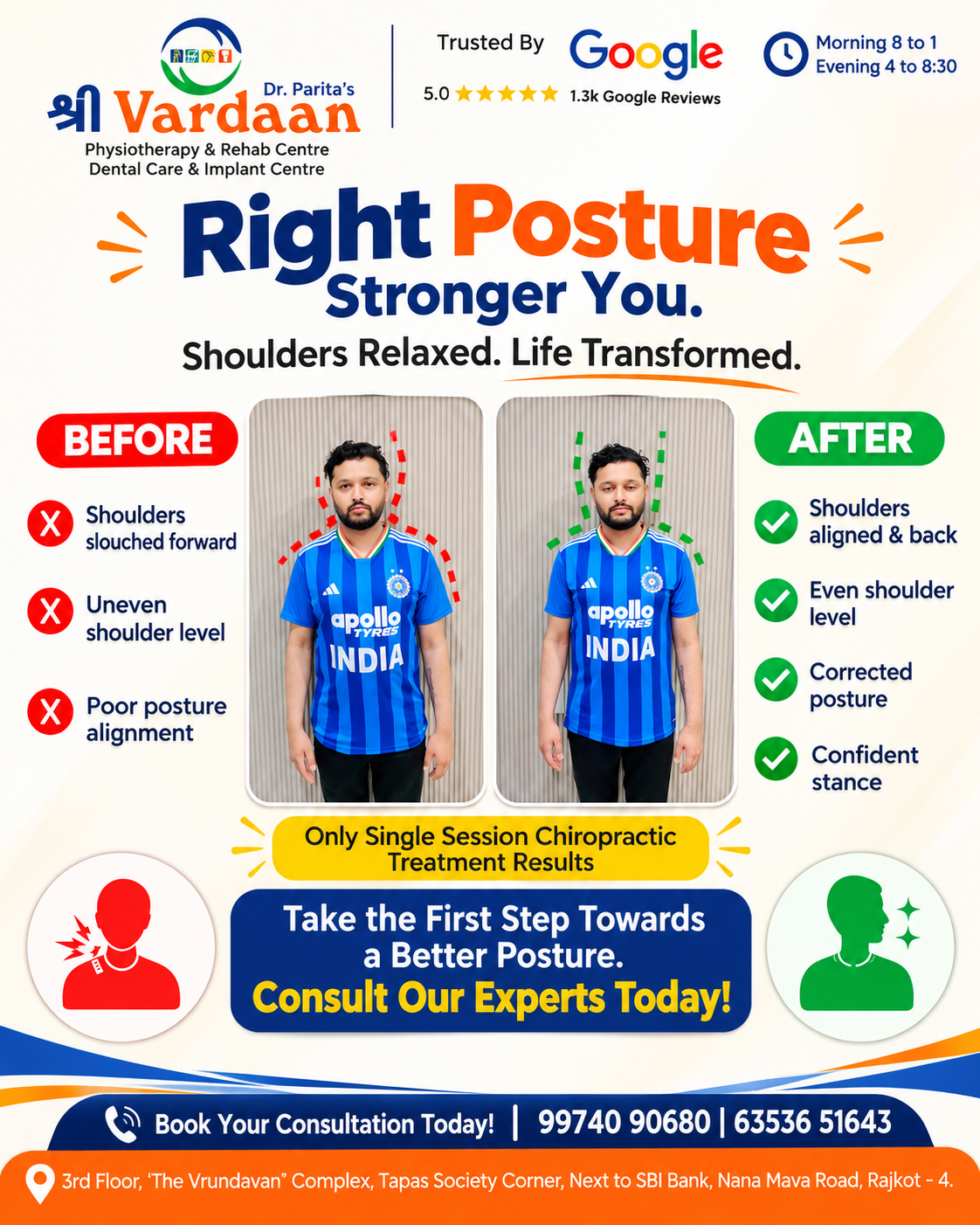
Get In Touch

3RD Floor THE VRUNDAVAN BUILDING, TAPAS SOCIETY CORNER, NANA MAVA MAIN RD, NEAR SBI BANK, RAJKOT, GUJARAT 360004

parita@shreevardaan.com

+91 9974090680

Follow Us

© 2024 Shree Vardaan . All Rights Reserved.

Designed by MDIDM Infoway

whatsapp img