Our Blogs
How to Improve Posture Benefits Physiotherapy
2026-11-01 21:44:32
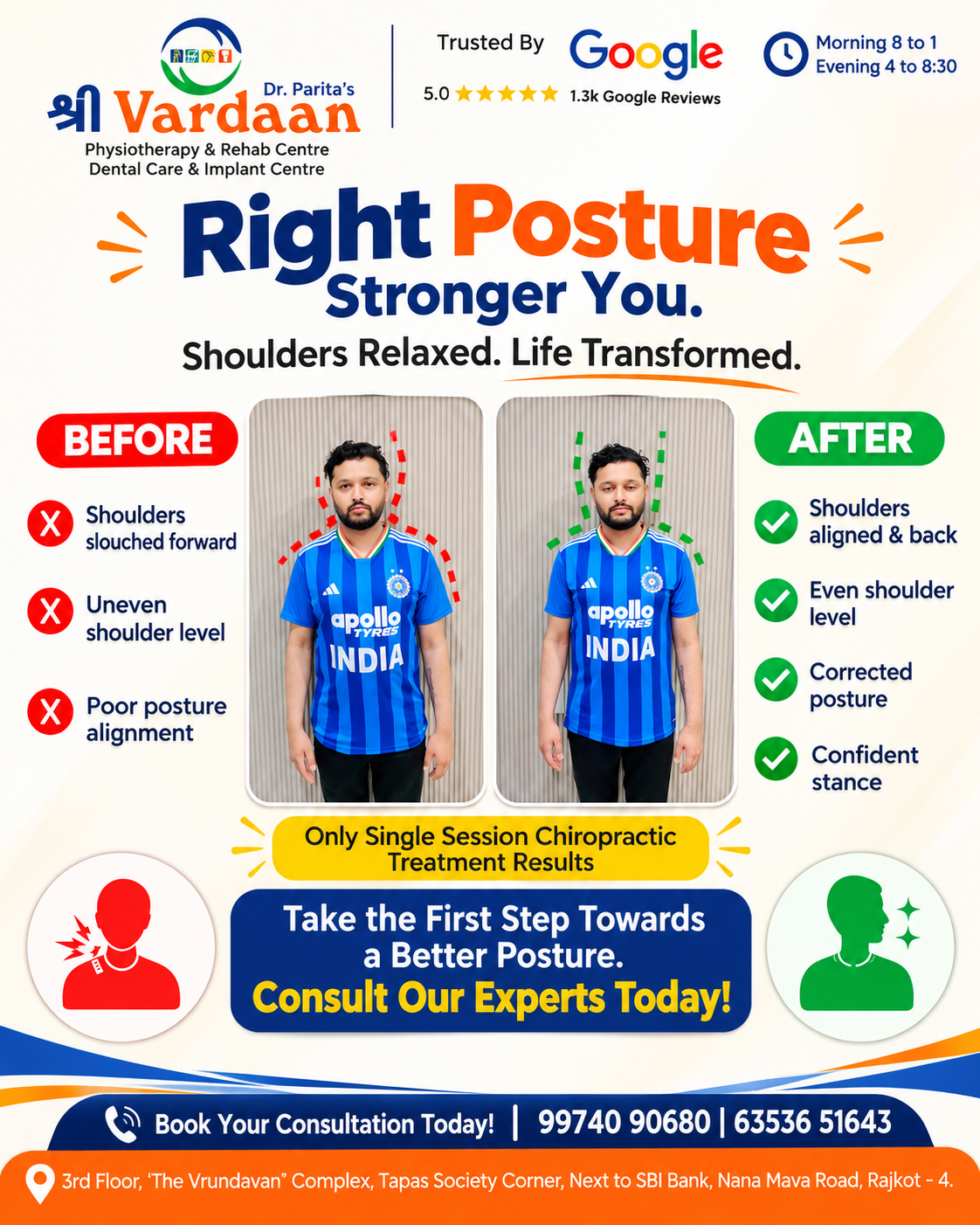
Good posture plays an important role in maintaining a healthy and active lifestyle. Whether you are sitting at a desk, working on a computer, walking, standing, or performing everyday activities, the way you position your body can influence your comfort and movement.
Poor posture is a common concern among people who spend long hours sitting, using mobile phones, working on computers, or maintaining the same body position for extended periods. Rounded shoulders, a forward head position, uneven shoulder alignment, and excessive slouching are some common postural concerns.
Over time, poor posture habits may contribute to muscle discomfort, stiffness, and movement difficulties. This is why learning how to improve posture is important for maintaining better body alignment and supporting everyday physical activities.
Physiotherapy can play an important role in posture improvement through individual assessment, corrective exercises, muscle strengthening, flexibility training, and movement education.
At Vardaan Physiotherapy & Rehab Centre, patients can seek professional physiotherapy guidance to work towards better posture, improved shoulder alignment, and healthier movement habits.
What Is Good Posture?
Good posture refers to maintaining a comfortable and balanced body position while sitting, standing, walking, and performing daily activities.
It helps distribute pressure across muscles, joints, and the spine while supporting natural body movement.
There are two main types of posture:
• Static Posture
Static posture refers to how you position your body when you are not moving.
Examples include:
-
Sitting at a desk.
-
Standing in one place.
-
Sleeping or resting.
-
Sitting while using a mobile phone.
• Dynamic Posture
Dynamic posture refers to how you maintain body alignment while moving.
Examples include:
-
Walking and running.
-
Bending and lifting objects.
-
Climbing stairs.
-
Performing exercise and sports activities.
Maintaining comfortable body alignment during both static and dynamic activities can support better movement and reduce unnecessary strain.
Common Signs of Poor Posture
Poor posture can develop gradually because of daily habits, muscle weakness, limited flexibility, or prolonged positioning.
Some common signs include:
1. Rounded Shoulders
The shoulders move forward instead of staying comfortably aligned with the upper body. This may be associated with tight chest muscles and reduced upper-back strength.
2. Forward Head Posture
The head moves forward in front of the shoulders, which may increase the workload on the neck muscles.
3. Uneven Shoulder Alignment
One shoulder appears higher than the other. This may be related to muscle imbalance, body positioning, or other underlying conditions.
4. Slouching While Sitting
The upper back becomes rounded, and the head moves forward while sitting for long periods.
5. Excessive Lower Back Arching
The lower back may develop an exaggerated arch, sometimes associated with muscle weakness or movement habits.
6. Neck and Back Discomfort
Some individuals experience muscle tightness, stiffness, or discomfort around the neck, shoulders, and back.
If these signs are persistent or associated with pain, a professional assessment can help identify the underlying cause.
Benefits of Maintaining Good Posture
Practising healthy posture habits offers several benefits for everyday movement and physical comfort.
1. Better Body Alignment
Good posture supports balanced positioning of the head, shoulders, spine, and hips.
2. Reduced Muscle Strain
Comfortable alignment can help distribute physical stress more evenly across muscles and joints.
3. Improved Shoulder Positioning
Posture exercises can help strengthen the upper back and support better shoulder movement.
4. Better Flexibility and Mobility
Regular stretching and strengthening exercises can help improve flexibility and movement.
5. Improved Balance and Stability
Core strengthening and body-awareness exercises can support better balance during daily activities.
6. Better Everyday Movement
Healthy movement habits can make activities such as sitting, walking, standing, and working more comfortable.
7. Increased Physical Confidence
Maintaining an upright and comfortable body position can help people feel more confident during everyday activities.
These benefits depend on individual needs, physical condition, and consistent exercise habits.
How to Improve Posture in Daily Life
Improving posture does not always require complicated exercises. Small changes in your daily routine can help develop healthier movement habits.
Here are some practical tips:
1. Maintain a Comfortable Sitting Position
-
Keep your feet supported on the floor.
-
Keep your back comfortably supported.
-
Avoid continuously leaning forward.
-
Position your computer screen near eye level.
-
Relax your shoulders while working.
2. Maintain Proper Standing Alignment
-
Keep your head comfortably aligned above your shoulders.
-
Relax your shoulders.
-
Distribute your weight comfortably across both feet.
-
Avoid locking your knees.
-
Keep your body balanced.
3. Avoid Prolonged Sitting
Take regular movement breaks instead of remaining in the same position for several hours.
4. Use Your Mobile Phone at a Comfortable Height
Avoid continuously looking down at your phone. Raise it closer to eye level when possible.
5. Stay Physically Active
Walking, stretching, strengthening exercises, and other suitable physical activities can help maintain muscle function and flexibility.
6. Strengthen Your Core Muscles
Your abdominal, back, and pelvic muscles contribute to body stability. Appropriate strengthening exercises can support better posture.
7. Develop Healthy Daily Habits
Pay attention to your body position while working, walking, studying, and performing household activities.
Best Exercises to Improve Posture
Posture correction exercises generally focus on strengthening weak muscles, improving flexibility, and developing better body awareness.
Here are some exercises that may be included in a physiotherapy programme.
1. Chin Tucks
Chin tucks help train the muscles responsible for supporting the neck and improving forward head positioning.
-
Sit or stand comfortably.
-
Look straight ahead.
-
Gently move your chin backwards.
-
Avoid tilting your head up or down.
-
Hold briefly and relax.
2. Wall Angels
Wall angels help improve shoulder mobility and upper-body movement.
-
Stand with your back against a wall.
-
Position your arms comfortably against the wall.
-
Slowly move your arms upward.
-
Return to the starting position.
-
Perform controlled movements without forcing your shoulders.
3. Shoulder Blade Squeezes
This exercise helps strengthen the muscles around the shoulder blades.
-
Sit or stand with your back comfortable.
-
Gently bring your shoulder blades towards each other.
-
Avoid raising your shoulders.
-
Hold briefly and relax.
4. Chest Stretch
Chest stretching may help improve flexibility in tight chest muscles.
-
Stand near an open doorway.
-
Place your forearms against the doorframe.
-
Gently move your body forward.
-
Feel a comfortable stretch across your chest.
-
Hold briefly and release.
5. Pelvic Tilts
Pelvic tilts help improve awareness and control of pelvic and lower-back movement.
-
Lie on your back with your knees bent.
-
Gently tighten your abdominal muscles.
-
Tilt your pelvis to bring your lower back closer to the floor.
-
Hold briefly and relax.
6. Resistance Band Rows
Resistance band rows help strengthen the upper-back muscles.
-
Hold a resistance band with both hands.
-
Keep your elbows close to your body.
-
Pull your hands backwards.
-
Gently squeeze your shoulder blades.
-
Slowly return to the starting position.
Exercise selection and repetitions should be personalised. Stop if an exercise causes pain, numbness, or unusual discomfort. Consult a physiotherapist before starting if you have an existing injury or medical condition.
How Physiotherapy Helps Improve Posture
Physiotherapy plays an important role in identifying and addressing postural problems. Rather than focusing only on standing straight, a physiotherapist evaluates how the body moves and identifies areas that may need strengthening, stretching, or movement training.
A personalised physiotherapy programme may include:
1. Posture Assessment
A physiotherapist evaluates head position, shoulder alignment, spinal positioning, muscle strength, and movement patterns.
2. Corrective Exercise Programme
Specific exercises are selected to address individual muscle weaknesses, movement limitations, and flexibility concerns.
3. Muscle Strengthening
Strengthening exercises focus on the neck, upper back, shoulders, abdominal muscles, and other areas depending on the patient's requirements.
4. Flexibility Training
Suitable stretching exercises help improve muscle flexibility and support comfortable movement.
5. Manual Therapy
When clinically appropriate, hands-on techniques may be used alongside exercises to address certain movement restrictions or discomfort.
6. Ergonomic Guidance
Patients receive advice about sitting positions, workstation arrangements, mobile phone usage, and everyday movement habits.
7. Progress Monitoring
A physiotherapist monitors progress and adjusts the exercise programme according to the patient's response and improvement.
Physiotherapy focuses on improving functional movement and helping patients develop healthier posture habits over time.
Who Should Consider Posture Correction Physiotherapy?
Posture correction physiotherapy may be helpful for people who experience:
-
Rounded shoulders or forward head positioning.
-
Neck and upper-back muscle discomfort.
-
Poor sitting or standing habits.
-
Shoulder movement difficulties.
-
Muscle tightness and reduced flexibility.
-
Postural concerns due to prolonged desk work.
-
Difficulty maintaining comfortable body alignment.
Office workers, students, athletes, and individuals with sedentary lifestyles may benefit from a professional posture assessment.
However, treatment should always depend on the individual's physical condition and underlying cause.
Why Choose Vardaan Physiotherapy & Rehab Centre?
Maintaining healthy posture requires the right combination of professional guidance, appropriate exercises, and consistent practice.
Vardaan Physiotherapy & Rehab Centre provides physiotherapy and rehabilitation support to help individuals work towards better posture, improved mobility, and comfortable everyday movement.
The centre focuses on:
-
Posture assessment and correction guidance.
-
Shoulder alignment and mobility exercises.
-
Neck and back strengthening exercises.
-
Muscle flexibility and stretching.
-
Chiropractic care where clinically appropriate.
-
Personalised physiotherapy and rehabilitation.
-
Guidance for healthier daily movement habits.
Whether you are experiencing rounded shoulders, postural concerns, or difficulty maintaining comfortable body alignment, professional guidance can help you understand the right approach.
Frequently Asked Questions (FAQs)
Q1. How can I improve my posture naturally?
You can work towards better posture by maintaining comfortable sitting and standing positions, staying physically active, taking regular breaks, and performing suitable strengthening and stretching exercises.
Q2. Can physiotherapy help correct poor posture?
Yes. Physiotherapy can help address muscle weakness, flexibility limitations, and movement patterns through personalised exercises and professional guidance.
Q3. How long does it take to improve posture?
Posture improvement varies from person to person. It depends on the underlying cause, physical condition, consistency of exercises, and treatment approach.
Q4. What are the best exercises for rounded shoulders?
Shoulder blade squeezes, wall angels, chest stretches, and resistance band rows may help improve shoulder mobility and upper-back strength.
Q5. Can poor posture cause neck and back pain?
Poor postural habits may contribute to muscle strain and discomfort around the neck, shoulders, and back. However, pain can have several causes and requires proper assessment.
Q6. Is posture correction treatment painful?
Most posture rehabilitation programmes involve controlled exercises and gradual movement training. Treatment intensity is adjusted according to the patient's comfort and physical condition.
Q7. Can sitting for long hours affect posture?
Yes. Remaining in the same position for extended periods may contribute to stiffness, muscle discomfort, and unhealthy movement habits. Regular movement breaks are helpful.
Conclusion
Good posture is an important part of maintaining a healthy and active lifestyle. Poor postural habits can contribute to muscle discomfort, stiffness, and movement difficulties.
By developing healthy daily habits, performing suitable exercises, and seeking professional physiotherapy guidance, individuals can work towards better body alignment, stronger muscles, and improved mobility.
Vardaan Physiotherapy & Rehab Centre is committed to supporting individuals through physiotherapy and rehabilitation services that encourage healthier movement and better physical well-being.

