Our Blogs
Cupping Therapy Benefits Uses How It Helps Relieve Muscle Pain
2026-11-04 01:57:58
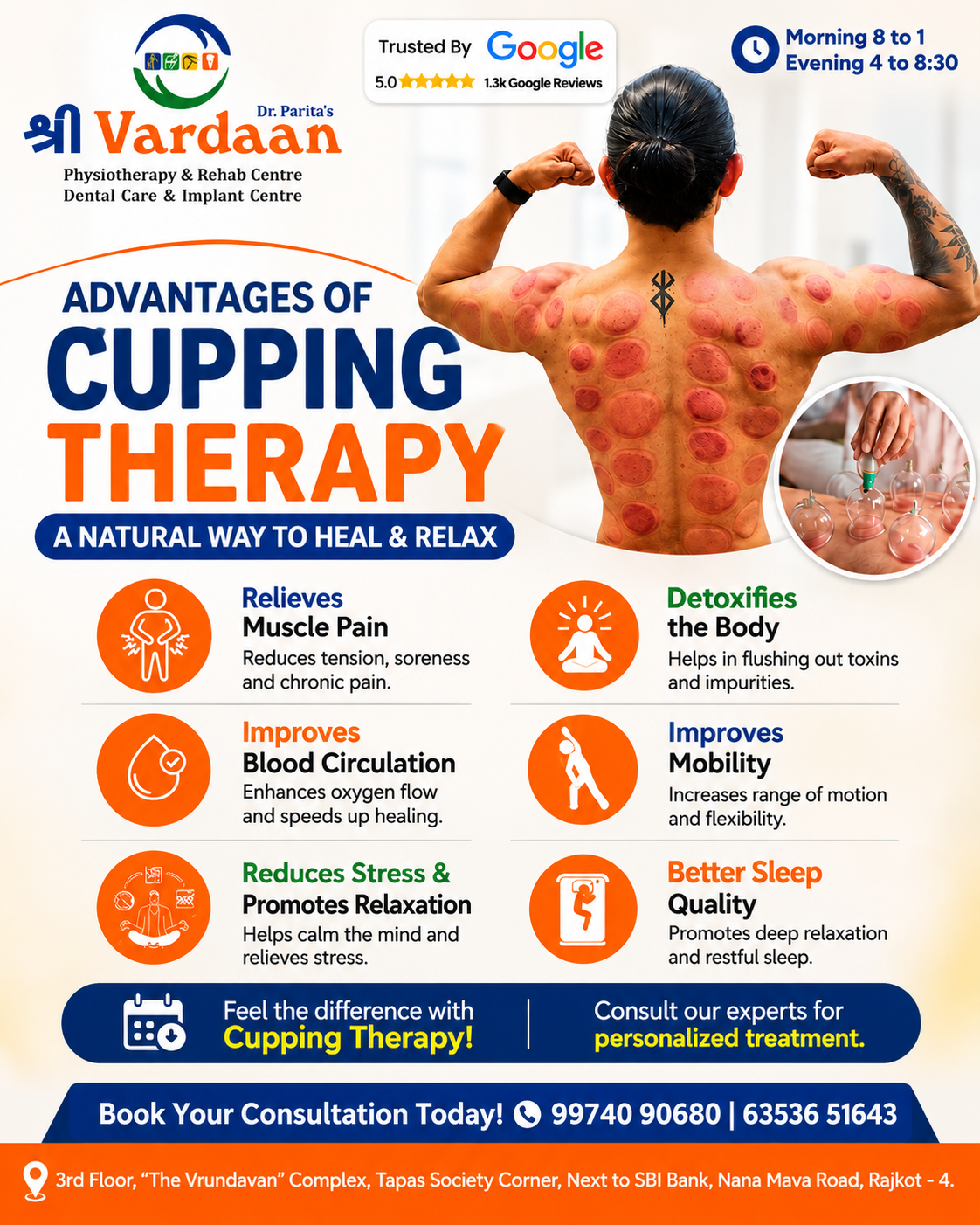
Cupping therapy is a traditional treatment technique that has gained popularity in modern wellness and physiotherapy practices. It involves placing special cups on the skin to create gentle suction. This suction lifts the skin and underlying tissues, which may help improve local blood circulation, reduce muscle tightness, and promote relaxation.
Many people consider cupping therapy for muscle soreness, back pain, neck stiffness, and physical discomfort. When performed by a trained professional, it can be used as a complementary approach alongside physiotherapy and other appropriate treatments.
What Is Cupping Therapy?
Cupping therapy is a treatment technique in which cups made of silicone, glass, or plastic are placed on specific areas of the body. A vacuum effect is created inside the cups, gently pulling the skin upward.
There are different types of cupping therapy, including:
- Dry Cupping: Uses suction without making cuts or drawing blood.
- Wet Cupping: Involves superficial skin incisions followed by suction and should only be performed by appropriately trained and qualified professionals.
- Moving Cupping: The cups are moved gently over the skin using oil or lotion to create a massage-like effect.
The appropriate technique depends on the individual's condition, comfort, and treatment requirements.
Top Benefits of Cupping Therapy
Cupping therapy may offer several benefits when used appropriately as part of a personalized treatment plan.
1. Helps Relieve Muscle Pain
Cupping therapy may help reduce muscle tightness and temporary soreness. The suction effect stimulates the skin and underlying tissues, which may provide relief from certain types of muscular discomfort.
2. Supports Local Blood Circulation
The suction created by cupping increases blood flow to the treated area temporarily. This may support local circulation and help promote relaxation in tight muscles.
3. Promotes Relaxation and Reduces Stress
Many people find cupping therapy relaxing. The treatment may help ease muscle tension and create a sense of physical comfort and relaxation.
4. May Improve Mobility and Flexibility
Muscle stiffness can make everyday movements uncomfortable. Cupping therapy may help some individuals feel less restricted, potentially supporting mobility when combined with suitable stretching and physiotherapy exercises.
5. Supports Recovery After Physical Activity
People who participate in sports or regular physical activities may experience muscle soreness and fatigue. Cupping therapy may help manage perceived muscle soreness, although evidence for faster recovery is limited.
6. May Support Better Sleep
By promoting relaxation and reducing muscle discomfort, cupping therapy may help some people feel more comfortable before bedtime. However, it is not a proven treatment for sleep disorders.
Common Uses of Cupping Therapy
Cupping therapy is commonly considered as a complementary treatment for:
- Muscle tightness and soreness
- Neck and shoulder discomfort
- Back muscle tension
- Sports-related muscle soreness
- General physical stiffness
- Relaxation and wellness support
The suitability of cupping therapy depends on the individual's health condition and should be assessed by a qualified healthcare professional.
How Does Cupping Therapy Work?
During cupping therapy, a trained professional places cups on selected areas of the body. Suction is created using a suitable technique, gently lifting the skin and underlying tissues.
The cups are generally left in place for a few minutes, depending on the treatment approach and individual comfort.
After the cups are removed, temporary circular marks may appear on the skin. These marks are common and usually fade over several days to two weeks.
Is Cupping Therapy Safe?
Cupping therapy is generally considered low risk when performed correctly by a trained professional using appropriate hygiene and safety practices.
However, possible side effects include:
- Temporary circular marks or skin discoloration
- Mild soreness or tenderness
- Skin irritation
- Burns, particularly with improper fire cupping
- Infection or scarring, especially with wet cupping
Cupping may not be suitable for people with certain skin conditions, bleeding disorders, or other medical concerns. Pregnant individuals and people taking blood-thinning medication should consult their healthcare professional before considering treatment.
It is important to remember that cupping therapy should not replace medical diagnosis or evidence-based treatment.
Cupping Therapy Alongside Physiotherapy
Cupping therapy may be used as a complementary technique within a broader physiotherapy treatment plan. Depending on the patient's needs, a physiotherapist may combine it with:
- Therapeutic exercises
- Stretching and mobility training
- Manual therapy
- Posture correction
- Strengthening exercises
A personalized treatment approach can help address the underlying causes of discomfort rather than focusing only on temporary symptom relief.
Frequently Asked Questions (FAQs) About Cupping Therapy
1. What Is Cupping Therapy Used For?
Cupping therapy is commonly used as a complementary treatment to help manage muscle tightness, soreness, back discomfort, neck stiffness, and general physical tension.
2. What Are the Main Benefits of Cupping Therapy?
The potential benefits of cupping therapy include temporary relief from muscle soreness, improved local blood circulation, relaxation, and reduced feelings of muscle tightness.
3. Does Cupping Therapy Help Relieve Muscle Pain?
Cupping therapy may help some people experience temporary relief from muscle pain and tension. Results vary depending on the individual's condition and treatment requirements.
4. How Long Does a Cupping Therapy Session Take?
A typical cupping therapy session may take around 15–30 minutes, depending on the treatment area, technique, and individual needs.
5. How Long Do Cupping Marks Last?
Cupping may leave temporary circular marks on the skin. These marks generally fade within several days to two weeks, although the duration varies from person to person.
6. Is Cupping Therapy Painful?
Most people experience a pulling or tight sensation during cupping therapy rather than pain. The treatment should remain comfortable, and the therapist should adjust the suction if discomfort occurs.
7. Is Cupping Therapy Safe for Everyone?
Cupping therapy is not suitable for everyone. People with certain skin conditions, bleeding disorders, or other medical concerns should consult a qualified healthcare professional before treatment.
8. Can Cupping Therapy Improve Mobility and Flexibility?
Cupping therapy may help reduce the feeling of muscle tightness in some individuals. When combined with stretching and physiotherapy exercises, it may support comfortable movement.
9. How Often Should You Get Cupping Therapy?
The recommended frequency depends on your health condition, treatment goals, and response to therapy. A qualified physiotherapist can suggest an appropriate treatment schedule.
10. Can Cupping Therapy Be Combined with Physiotherapy?
Yes. Cupping therapy may be included as a complementary technique alongside physiotherapy exercises, stretching, and other suitable treatments, depending on the patient's condition.
Conclusion
Cupping therapy is a traditional treatment technique that may help some individuals manage muscle tightness, soreness, and physical discomfort. It may also promote relaxation and support mobility when combined with appropriate physiotherapy treatment.
However, its effectiveness varies from person to person, and scientific evidence for many claimed benefits remains limited. Consulting a qualified physiotherapist or healthcare professional can help determine whether cupping therapy is appropriate for your needs.
At Dr. Parita's Shri Vardaan Physiotherapy & Rehab Centre, patients can consult experienced professionals for personalized physiotherapy guidance and treatment options to support better movement, comfort, and overall well-being.

