Our Blogs
Knee Arthroscopy Surgery Benefits Recovery
2026-11-01 05:38:56
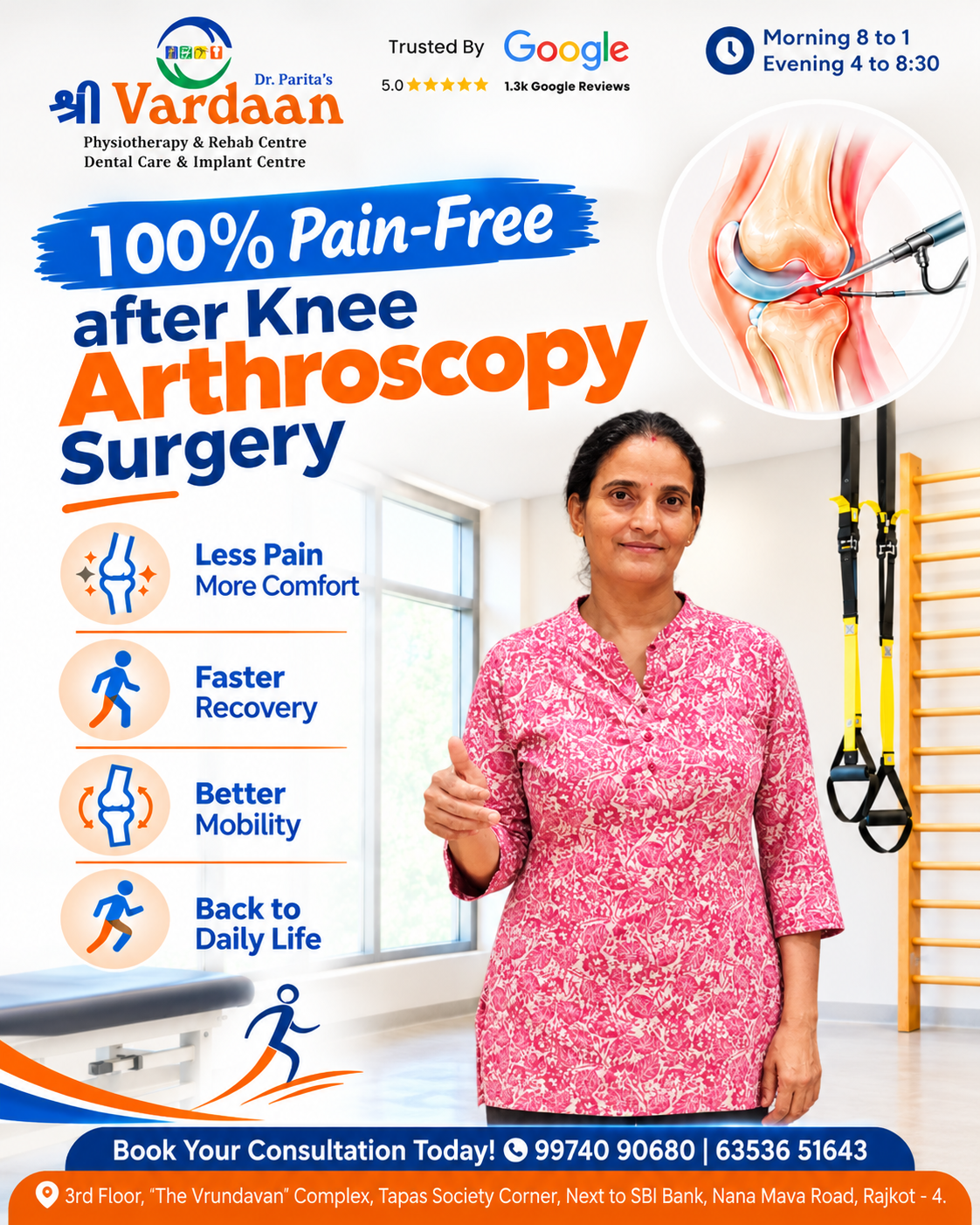
Knee pain, stiffness, swelling, and difficulty walking can significantly affect your daily life. Whether caused by a sports injury, meniscus tear, ligament damage, or cartilage problems, knee conditions can make simple activities such as climbing stairs, walking, sitting, and standing uncomfortable.
Knee Arthroscopy Surgery is a minimally invasive surgical procedure used to diagnose and treat certain problems inside the knee joint. It is commonly known as keyhole surgery because it involves small incisions rather than one large surgical cut.
During the procedure, an orthopaedic surgeon inserts a small camera called an arthroscope into the knee joint. This camera provides a clear view of the internal structures, allowing the surgeon to examine and treat specific knee problems using specialised instruments.
One of the important advantages of knee arthroscopy is that it generally involves smaller incisions and may allow a quicker recovery compared with traditional open surgery. However, the results and recovery period depend on the patient's condition and the type of procedure performed.
Proper post-surgical care, guided exercises, and physiotherapy also play an important role in restoring knee strength, flexibility, balance, and mobility.
At Vardaan Physiotherapy & Rehab Centre, patients can seek physiotherapy and rehabilitation support to help improve movement and support their recovery journey after knee surgery.
What Is Knee Arthroscopy Surgery?
Knee arthroscopy surgery is a minimally invasive procedure that helps orthopaedic surgeons examine and treat problems inside the knee joint.
The surgeon makes small incisions around the knee and inserts an arthroscope equipped with a tiny camera. The camera displays images on a monitor, helping the surgeon identify damaged tissues and perform the required treatment.
This procedure may be recommended for certain conditions, including:
-
Meniscus tears
-
ACL and other ligament injuries
-
Loose cartilage or bone fragments
-
Certain cartilage injuries
-
Inflamed joint tissue
-
Some mechanical knee problems
Not every knee condition requires arthroscopic surgery. An orthopaedic specialist evaluates the patient's symptoms, examination findings, and imaging reports before recommending treatment.
Major Benefits of Knee Arthroscopy Surgery
Knee arthroscopy offers several potential benefits depending on the patient's knee condition and the treatment required.
1. Smaller Surgical Incisions
The procedure uses small incisions, which generally cause less disruption to surrounding soft tissues compared with traditional open surgery.
2. Less Postoperative Discomfort
Many patients experience less pain and joint stiffness compared with open procedures, although some pain and swelling after surgery are normal.
3. Faster Initial Recovery
Because the procedure is minimally invasive, some patients can resume basic daily activities sooner than after open surgery.
4. Improved Knee Movement
Treating certain damaged structures may help reduce mechanical symptoms and improve knee movement.
5. Targeted Treatment
The arthroscope allows the surgeon to view the inside of the knee and treat specific problems using specialised instruments.
6. Support for Returning to Daily Activities
With appropriate treatment and rehabilitation, patients may gradually return to walking, working, and other routine activities.
7. Better Rehabilitation Opportunities
After surgery, a structured physiotherapy programme can help rebuild muscle strength, improve flexibility, and restore functional movement.
Important: These are potential benefits, not guaranteed results. Outcomes depend on the underlying condition and the procedure performed.
Knee Arthroscopy Surgery Recovery Process
Recovery after knee arthroscopy varies from person to person. The type of surgery, severity of the injury, general health, and rehabilitation programme all influence the recovery period.
Here is a general overview of the recovery process.
Stage 1: Initial Recovery
Immediately after surgery, patients may experience mild to moderate pain, swelling, and stiffness. Following the surgeon's instructions regarding rest, wound care, medication, and leg positioning is important.
Stage 2: Early Movement
As advised by the treating surgeon, patients may begin gentle knee movements and basic exercises. These help maintain joint mobility and activate the surrounding muscles.
Stage 3: Strengthening and Rehabilitation
Physiotherapy may focus on strengthening the quadriceps, hamstrings, and surrounding muscles. Controlled exercises can also help improve flexibility, balance, and walking patterns.
Stage 4: Returning to Daily Activities
As strength and mobility improve, patients may gradually resume routine activities. Returning to sports, strenuous exercise, or physically demanding work requires medical clearance.
Recovery may take around one week to several months, depending on the procedure and individual circumstances. More complex repairs may require a longer rehabilitation period.
Importance of Physiotherapy After Knee Arthroscopy
Physiotherapy is an important part of recovery following knee arthroscopy. Surgery may address the underlying structural problem, but the muscles and joint often need guided rehabilitation to regain their normal function.
A personalised physiotherapy programme may help patients with:
-
Improved Knee Flexibility: Exercises help gradually restore comfortable knee bending and straightening.
-
Muscle Strengthening: Strengthening exercises target the muscles supporting the knee joint.
-
Better Balance: Balance training helps improve stability during standing and walking.
-
Walking Improvement: Gait training supports a gradual return to a comfortable walking pattern.
-
Swelling Management: Appropriate movement and recovery strategies may help manage postoperative swelling.
-
Functional Mobility: Guided exercises help patients gradually return to everyday activities.
The physiotherapy programme should be based on the type of surgery and the surgeon's instructions. Exercises should not be started or progressed without appropriate professional guidance.
Common Physiotherapy Exercises After Knee Arthroscopy
Depending on the patient's recovery stage, a physiotherapist may recommend exercises such as:
1. Ankle Pumps: Gentle ankle movements that encourage circulation while the patient is resting.
2. Quadriceps Sets: Gentle tightening of the thigh muscles to help activate the quadriceps.
3. Heel Slides: Controlled bending of the knee to gradually improve flexibility.
4. Straight Leg Raises: Exercises designed to strengthen the thigh muscles while maintaining knee control.
5. Knee Extension Exercises: Guided movements that help improve the ability to straighten the knee.
6. Balance Training: Exercises that gradually improve stability and coordination.
Not all exercises are suitable for every patient. The exercise selection, repetitions, and progression should be decided by a qualified physiotherapist according to the surgical procedure and recovery stage.
Tips for a Smooth Knee Surgery Recovery
Following a few important precautions can support the healing process:
-
Follow your orthopaedic surgeon's postoperative instructions.
-
Attend scheduled follow-up appointments.
-
Complete prescribed physiotherapy sessions regularly.
-
Avoid excessive pressure on the operated knee.
-
Do not rush into running, jumping, or heavy exercise.
-
Maintain a balanced diet and adequate hydration.
-
Keep surgical wounds clean and follow dressing instructions.
-
Use walking support or a knee brace if prescribed.
If you experience increasing pain, severe swelling, fever, wound discharge, or unusual symptoms, contact your treating medical team promptly.
Who May Need Knee Arthroscopy Surgery?
Knee arthroscopy may be considered for individuals experiencing certain knee problems that require surgical evaluation.
These may include:
-
People with specific meniscus injuries.
-
Individuals with certain ligament injuries.
-
Patients experiencing knee locking due to loose fragments.
-
People with selected cartilage injuries.
-
Individuals with persistent mechanical knee symptoms.
However, knee arthroscopy is not suitable for every person experiencing knee pain. For example, it is not routinely recommended simply to treat knee osteoarthritis. A specialist consultation is necessary to determine the most appropriate treatment.
Why Choose Vardaan Physiotherapy & Rehab Centre?
Choosing the right physiotherapy and rehabilitation support is important for improving mobility and rebuilding strength after knee surgery.
Vardaan Physiotherapy & Rehab Centre focuses on supporting patients through professional physiotherapy and rehabilitation services.
The centre aims to help patients with:
-
Personalised physiotherapy guidance.
-
Knee mobility and flexibility exercises.
-
Muscle strengthening programmes.
-
Post-surgical rehabilitation support.
-
Balance and coordination training.
-
Functional movement improvement.
With appropriate professional guidance and a structured rehabilitation plan, patients can work towards improving their mobility and returning to everyday activities.
Frequently Asked Questions (FAQs)
Q1. What is knee arthroscopy surgery?
Knee arthroscopy is a minimally invasive procedure in which a surgeon uses a small camera and specialised instruments to examine and treat problems inside the knee joint.
Q2. How long does it take to recover from knee arthroscopy?
Recovery can range from approximately one week to several months. It depends on the type of procedure, the severity of the injury, and the patient's overall health.
Q3. Is physiotherapy necessary after knee arthroscopy?
Physiotherapy is recommended for many patients after knee arthroscopy. It helps restore knee movement, strengthen muscles, and improve functional mobility according to the surgical protocol.
Q4. Can I walk normally after knee arthroscopy?
Many patients gradually return to normal walking. However, the timing depends on the procedure performed and the weight-bearing instructions provided by the surgeon.
Q5. Can knee arthroscopy completely remove knee pain?
Knee arthroscopy may help relieve symptoms caused by certain treatable knee conditions. However, complete pain relief cannot be guaranteed, especially when underlying joint damage or arthritis is present.
Conclusion
Knee arthroscopy surgery is an effective treatment option for certain knee conditions. However, proper postoperative care and guided physiotherapy are essential parts of the recovery journey.
With the right rehabilitation approach, patients can gradually improve knee strength, flexibility, and mobility.
Vardaan Physiotherapy & Rehab Centre supports patients with professional physiotherapy and rehabilitation services to help them move towards a healthier and more active lifestyle.

