Our Blogs
How Physiotherapy Helps Restore Hand Movement After an Accident
2026-11-05 02:04:18
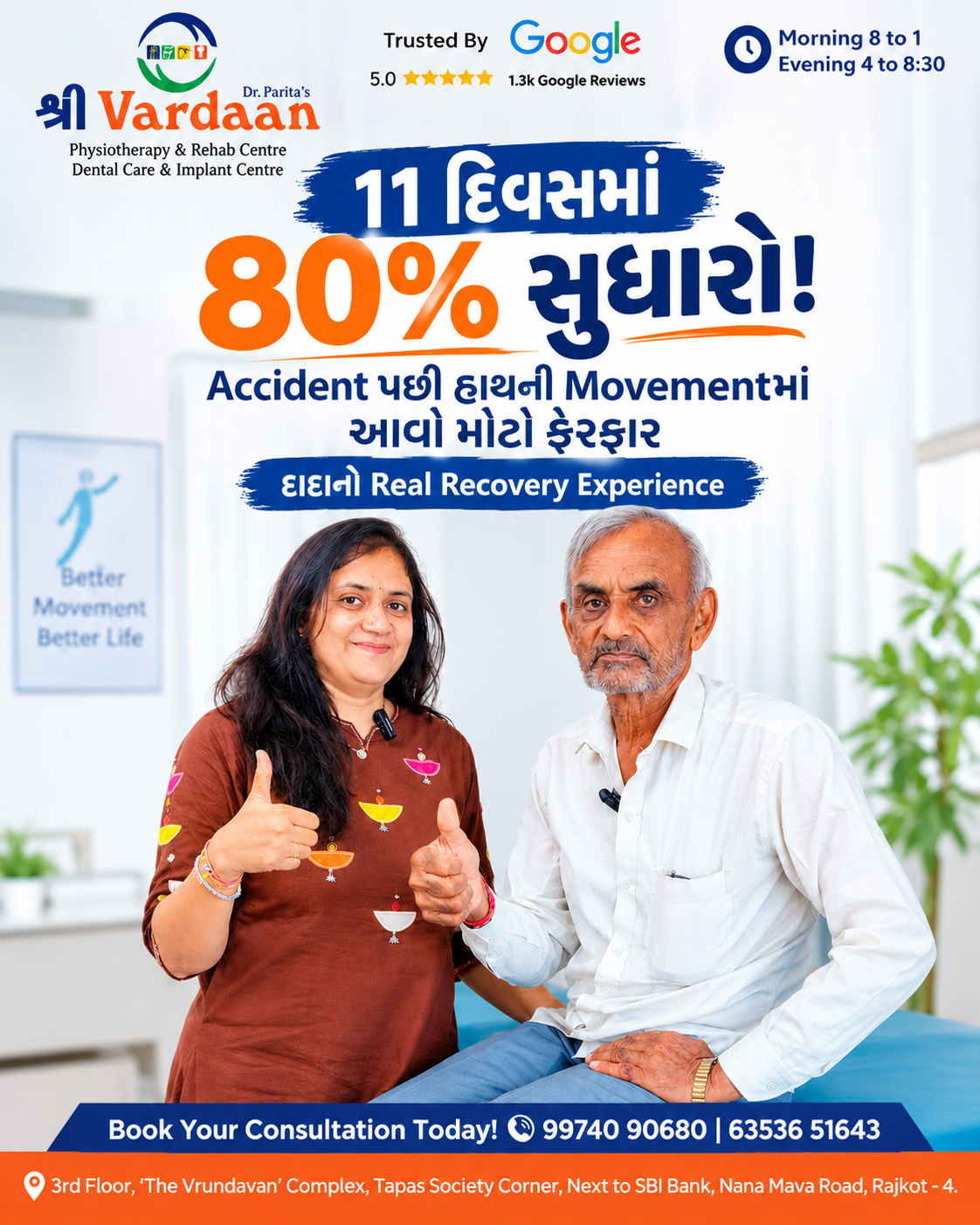
An accident can affect your ability to perform even the simplest daily activities, especially when it causes an injury to your hand, wrist, fingers, or arm. Tasks such as holding objects, writing, eating, dressing, and lifting things may become difficult due to pain, stiffness, swelling, or reduced mobility.
Physiotherapy after an accident plays an important role in restoring hand movement, improving flexibility, rebuilding muscle strength, and supporting functional recovery. With the right rehabilitation programme and professional guidance, patients can gradually regain confidence and independence in their daily activities.
In this blog, we will understand how physiotherapy helps restore hand movement after an accident and why early assessment and proper rehabilitation are important.
What Happens to Hand Movement After an Accident?
Hand injuries can occur due to road accidents, falls, workplace injuries, fractures, or direct impact. Depending on the severity of the injury, patients may experience:
- Pain and swelling in the hand or wrist.
- Stiffness in fingers and joints.
- Difficulty gripping or holding objects.
- Reduced muscle strength.
- Limited wrist and finger movement.
- Numbness or tingling sensations.
- Difficulty performing everyday activities.
These problems can affect a person's quality of life. Without appropriate medical evaluation and rehabilitation, some injuries may result in prolonged stiffness and functional limitations.
How Does Physiotherapy Help Restore Hand Movement?
Physiotherapy focuses on improving mobility, strength, flexibility, and coordination through a personalised rehabilitation programme.
Here are some important ways physiotherapy supports hand recovery after an accident.
1. Reduces Pain and Swelling
Pain and swelling can restrict normal hand movement after an injury. Depending on the condition, a physiotherapist may recommend appropriate pain-management techniques and therapeutic exercises to help manage discomfort and improve mobility.
2. Improves Finger and Wrist Mobility
After an accident, joints and surrounding tissues may become stiff. Gentle, guided range-of-motion exercises help gradually improve finger, wrist, and hand movements.
These exercises are selected according to the patient's injury, healing stage, and medical restrictions.
3. Rebuilds Hand and Grip Strength
Injuries and periods of immobilisation can weaken the muscles of the hand and forearm.
Physiotherapy may include progressive strengthening exercises, grip exercises, and resistance training to improve muscle function and support everyday activities.
4. Improves Hand Coordination
Hand coordination is essential for activities such as writing, buttoning clothes, holding utensils, and picking up small objects.
Therapeutic activities and functional exercises help improve coordination, control, and movement accuracy.
5. Restores Daily Functional Activities
The main goal of hand rehabilitation is not just to improve movement but also to help patients return to their normal routines.
A physiotherapist may introduce activity-based exercises that gradually help patients perform daily tasks more comfortably and independently.
Important Physiotherapy Exercises for Hand Rehabilitation
Depending on the injury and medical clearance, a physiotherapist may introduce exercises such as:
1. Finger Bending and Straightening
Helps improve finger joint mobility.
2. Wrist Flexion and Extension
Supports wrist flexibility and movement.
3. Finger Spreading
Helps improve finger control and mobility.
4. Grip Strengthening
Helps rebuild the ability to hold and grip objects.
5. Thumb Opposition
Improves coordination between the thumb and fingers.
6. Functional Hand Activities
Helps practise movements used in everyday tasks.
Why Is Early Physiotherapy Assessment Important?
Early assessment helps identify movement limitations, muscle weakness, pain, and functional difficulties.
A physiotherapist can evaluate the patient's condition and develop a suitable rehabilitation plan in coordination with the treating doctor.
Starting rehabilitation at the medically appropriate time can help:
- Prevent avoidable joint stiffness.
- Improve flexibility and mobility.
- Support muscle strengthening.
- Improve hand coordination.
- Restore functional independence.
- Build confidence during recovery.
The timing of physiotherapy depends on the type and severity of the injury. Rehabilitation should never begin before it is medically safe.
How Long Does It Take to Recover Hand Movement After an Accident?
Recovery time varies from person to person. It depends on several factors, including:
- Type and severity of the injury.
- Whether surgery was required.
- Age and general physical condition.
- Duration of immobilisation.
- Consistency with the rehabilitation programme.
- Individual healing response.
Some minor injuries may recover within a few weeks, while severe fractures, nerve injuries, and tendon damage may require several months of rehabilitation.
Regular follow-ups and a personalised physiotherapy programme can help monitor progress and adjust treatment according to recovery.
Real Recovery Through Proper Physiotherapy
Every patient's recovery journey is different. With appropriate medical treatment, guided physiotherapy, and consistent rehabilitation, many patients can make meaningful improvements in hand movement and daily functionality.
The right combination of mobility exercises, strengthening techniques, and functional training can support a gradual return to everyday activities.
Frequently Asked Questions (FAQs)
1. Can physiotherapy restore hand movement after an accident?
Yes. Physiotherapy can help improve hand mobility, flexibility, strength, and coordination, depending on the type and severity of the injury.
2. How long does hand rehabilitation take after an accident?
Recovery time varies depending on the injury, treatment received, and individual healing process. Some patients may recover within weeks, while others may need several months.
3. Which physiotherapy exercises help improve hand movement?
Finger bending, wrist movements, finger spreading, grip strengthening, and thumb opposition exercises may help improve hand mobility when medically appropriate.
4. Can physiotherapy help reduce hand stiffness after an accident?
Yes. Guided mobility exercises and appropriate rehabilitation techniques can help reduce stiffness and improve joint flexibility.
5. When should I start physiotherapy after a hand injury?
The right time depends on the injury and medical treatment. Consult your treating doctor or physiotherapist before beginning rehabilitation.
6. Can physiotherapy improve grip strength after an accident?
Yes. Progressive grip-strengthening and functional exercises can help improve hand and forearm strength.
7. Is physiotherapy necessary after a hand fracture?
Physiotherapy is often recommended after a fracture when medically appropriate. It can help restore mobility, strength, and hand function after the bone has healed sufficiently or as directed by the treating doctor.
8. Can elderly patients benefit from hand physiotherapy?
Yes. Elderly patients may benefit from personalised rehabilitation to improve hand mobility, strength, coordination, and independence.
9. What happens if hand stiffness is left untreated?
Persistent stiffness may limit movement and make everyday activities difficult. A professional assessment can help identify the cause and determine suitable treatment.
10. Does every patient recover at the same speed?
No. Recovery depends on injury severity, age, overall health, treatment, and consistency with rehabilitation.
Conclusion
Hand injuries after an accident can make daily activities challenging, but proper rehabilitation can play an important role in recovery. **Physiotherapy helps restore hand movement, improve flexibility, rebuild strength, and enhance coordination.**
If you or someone in your family is experiencing difficulty moving their hand after an accident, consider getting a professional assessment and following an appropriate rehabilitation programme.
At Shree Vardaan Physiotherapy & Rehab Centre, the focus is on supporting patients through professional physiotherapy and rehabilitation to help improve movement and quality of life.
Take the right step towards better movement and recovery!

