Our Blogs
Dry Needling Therapy Benefits Uses How It Helps Relieve Muscle Pain
2026-11-04 01:59:09
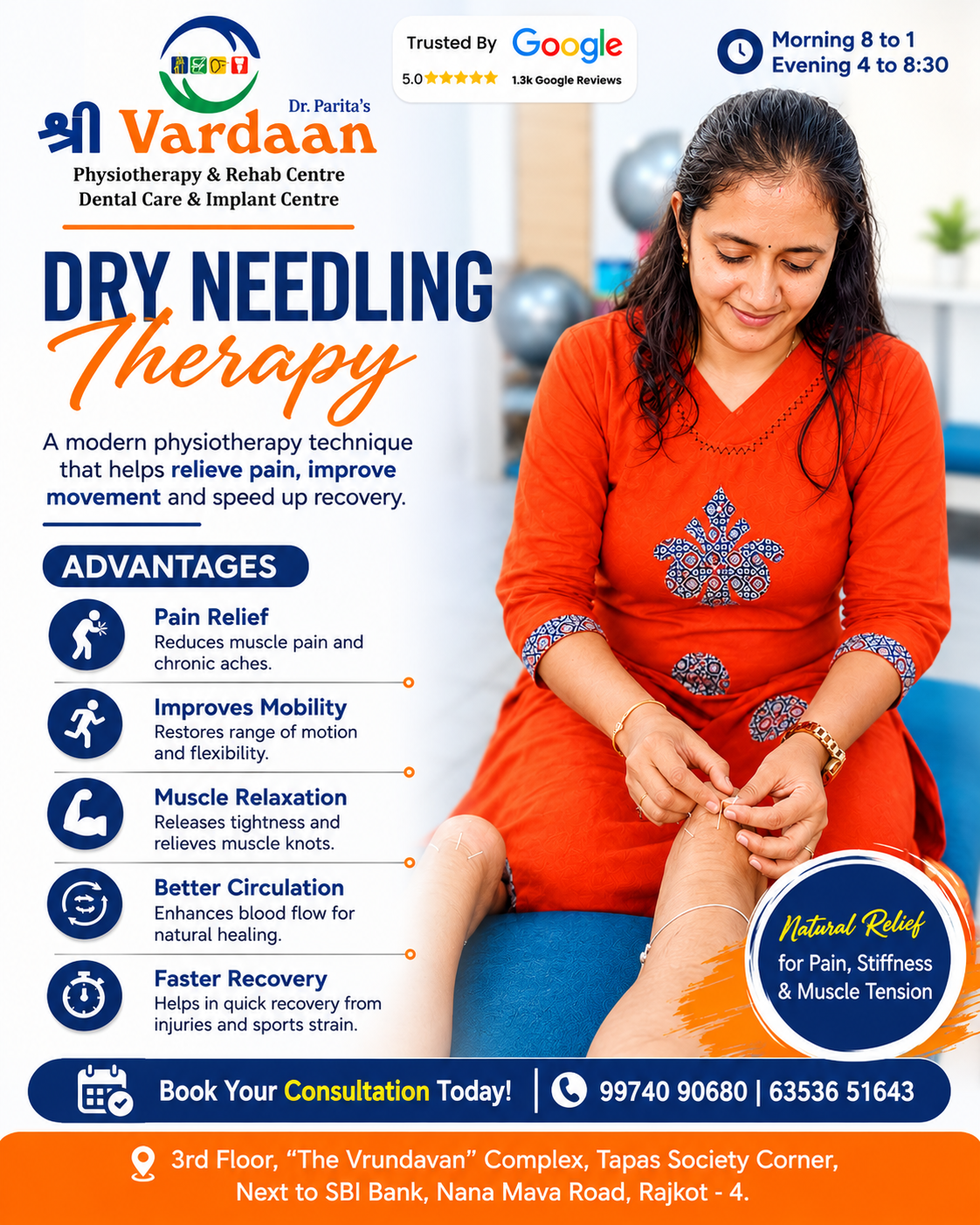
Muscle pain, stiffness, and limited movement can affect everyday activities and reduce your quality of life. Whether caused by poor posture, muscle overuse, sports injuries, or long working hours, muscle discomfort can make even simple movements difficult.
Dry Needling Therapy is a modern physiotherapy technique used to help manage muscle pain, reduce muscle tension, and improve movement. It involves inserting thin, sterile needles into specific areas of muscle, commonly known as trigger points, to help release muscular tightness.
When performed by a trained and qualified physiotherapist, dry needling may be used as part of a personalized physiotherapy treatment plan to support pain management and functional recovery.
What Is Dry Needling Therapy?
Dry Needling Therapy is a physiotherapy treatment technique that uses thin, sterile, solid needles to target sensitive areas or trigger points within muscles.
These trigger points are tight or irritated areas of muscle that may cause localized pain or discomfort in other parts of the body.
Unlike acupuncture, which is based on traditional Chinese medicine principles, dry needling is generally based on modern anatomical and musculoskeletal assessment.
The main purpose of dry needling is to help reduce muscle-related discomfort, improve muscle function, and support better movement.
Top Benefits of Dry Needling Therapy
Dry Needling Therapy may provide several benefits when used appropriately as part of a comprehensive physiotherapy treatment plan.
1. Helps Relieve Muscle Pain
Dry needling may help reduce pain associated with muscular trigger points and tightness. It can be useful for individuals experiencing muscle discomfort due to overuse, physical activity, or prolonged sitting.
2. Improves Mobility and Flexibility
Muscle tightness can restrict normal movement and flexibility. Dry needling may help reduce muscular tension, making it easier for some individuals to move comfortably.
3. Promotes Muscle Relaxation
Targeting specific trigger points may help reduce the feeling of muscle tightness and support relaxation in affected muscles.
4. Supports Better Blood Circulation
Dry needling may produce localized physiological responses around the treated area. These responses can influence local blood flow, although improved circulation should not be considered a guaranteed treatment outcome.
5. Helps Manage Muscle Stiffness
People who experience stiffness due to poor posture, repetitive movements, or muscle overuse may benefit from dry needling as part of a broader treatment approach.
6. Supports Sports Injury Rehabilitation
Athletes and physically active individuals may experience muscle soreness and tightness after intense physical activity. Dry needling may be used alongside rehabilitation exercises to help manage muscular discomfort and support recovery.
Common Conditions Treated with Dry Needling Therapy
Dry Needling Therapy is commonly used by physiotherapists as a complementary treatment for certain musculoskeletal conditions, including:
- Neck pain and stiffness
- Shoulder muscle tension
- Lower back muscle pain
- Upper back discomfort
- Muscle trigger points
- Sports-related muscle soreness
- Muscle tightness and stiffness
- Certain tension-related headaches
The suitability of dry needling depends on the individual's symptoms, medical history, and physical assessment.
How Does Dry Needling Therapy Work?
Dry needling involves inserting a thin, sterile needle into selected trigger points or affected muscle areas.
The treatment generally follows these steps:
1. Initial Assessment
The physiotherapist evaluates your symptoms, muscle condition, medical history, and movement limitations.
2. Identifying Trigger Points
Specific tight or sensitive areas within the muscles are identified.
3. Needle Insertion
A thin, sterile needle is carefully inserted into the selected area using an appropriate technique.
4. Muscle Response
The needle may produce a local muscle response, such as a brief twitch, depending on the technique and individual response.
5. Post-Treatment Guidance
The physiotherapist may recommend suitable exercises, stretching, and movement techniques.
The number of sessions depends on the individual's condition, treatment goals, and response to therapy.
Is Dry Needling Therapy Painful?
Dry needling is generally well tolerated, although the experience can vary from person to person.
Some individuals may feel a slight prick, pressure, temporary muscle twitch, or mild soreness during or after treatment.
Mild muscle soreness may occur for approximately 24–48 hours. Your physiotherapist should explain the procedure and discuss any concerns before starting treatment.
Is Dry Needling Therapy Safe?
Dry Needling Therapy is generally considered safe when performed by a properly trained and qualified healthcare professional using sterile, single-use needles and appropriate safety procedures.
However, some temporary side effects may include:
- Mild muscle soreness
- Temporary bruising
- Minor bleeding at the needle insertion site
- Temporary fatigue
- Occasional dizziness
Rare but serious complications, such as infection or pneumothorax (collapsed lung), can occur depending on the treatment area and technique.
Dry needling may not be suitable for everyone. People with bleeding disorders, certain medical conditions, needle-related anxiety, or other health concerns should discuss their suitability with a healthcare professional before treatment.
Dry Needling Therapy Alongside Physiotherapy
Dry needling is often used as a complementary technique rather than a standalone treatment. Combining it with other physiotherapy approaches may help address the underlying causes of muscle discomfort and movement limitations.
Depending on the patient's condition, a physiotherapist may recommend:
- Therapeutic exercises
- Muscle strengthening exercises
- Stretching and flexibility training
- Posture correction
- Manual therapy
- Mobility and movement training
A personalized physiotherapy program can help improve muscle function, restore movement, and support long-term physical health.
Who Can Benefit from Dry Needling Therapy?
Dry needling may be considered for individuals experiencing certain types of muscular pain and tightness, including:
- People with neck and shoulder muscle tension
- Individuals experiencing lower back muscle discomfort
- Athletes with sports-related muscle soreness
- People with muscle stiffness due to repetitive activities
- Individuals experiencing trigger point-related pain
A proper assessment by a qualified physiotherapist is important to determine whether dry needling is suitable for your condition.
Frequently Asked Questions (FAQs) About Dry Needling Therapy
1. What Is Dry Needling Therapy Used For?
Dry needling therapy is commonly used to help manage muscular pain, trigger points, muscle tightness, and movement restrictions. It is often included in physiotherapy treatment plans.
2. What Are the Main Benefits of Dry Needling Therapy?
The potential benefits include temporary relief from muscle pain, reduced muscle tension, improved mobility, and support for musculoskeletal rehabilitation.
3. Does Dry Needling Help Relieve Muscle Pain?
Yes, dry needling may help reduce certain types of muscle pain, particularly pain associated with trigger points. Results vary depending on the individual's condition and response to treatment.
4. Is Dry Needling the Same as Acupuncture?
No. Although both techniques use thin needles, they have different treatment principles and approaches. Dry needling generally targets muscular trigger points and is based on modern musculoskeletal assessment, while acupuncture follows traditional Chinese medicine principles.
5. How Long Does a Dry Needling Therapy Session Take?
A dry needling session may take approximately 15–30 minutes, depending on the treatment area, assessment, and overall physiotherapy plan.
6. How Many Dry Needling Sessions Are Needed?
The number of sessions varies depending on the individual's condition, pain levels, treatment goals, and response to therapy. A physiotherapist can recommend an appropriate treatment schedule.
7. Is Dry Needling Therapy Painful?
Most people experience a slight prick, pressure, or temporary muscle twitch during treatment. Mild soreness may occur afterward, but the experience varies between individuals.
8. What Should I Do After Dry Needling Therapy?
Follow your physiotherapist's instructions. You may be advised to stay hydrated, perform gentle movements, avoid strenuous activity for a short period if needed, and follow a suitable exercise routine.
9. Can Dry Needling Help with Back and Neck Pain?
Dry needling may help manage certain types of muscular discomfort associated with neck and back pain. However, treatment should be based on an individual assessment to identify the underlying cause.
10. Is Dry Needling Therapy Safe for Everyone?
No. Dry needling is not suitable for everyone. People with bleeding disorders, certain medical conditions, or other risk factors should consult a qualified healthcare professional before considering treatment.
Conclusion
Dry Needling Therapy is a modern physiotherapy technique that may help manage muscle pain, reduce muscular tightness, and support improved mobility. It can be particularly useful as a complementary treatment for individuals experiencing trigger point-related discomfort and certain musculoskeletal conditions.
However, its effectiveness varies depending on the individual's condition, and it should be combined with appropriate rehabilitation strategies when necessary.
At Dr. Parita's Shri Vardaan Physiotherapy & Rehab Centre, patients can consult qualified professionals for personalized physiotherapy guidance and treatment options. A proper assessment can help determine the most suitable approach to managing muscle discomfort and improving movement and overall physical well-being.

