Our Blogs
Posture Correction Benefits Physiotherapy Treatment
2026-11-04 00:18:31
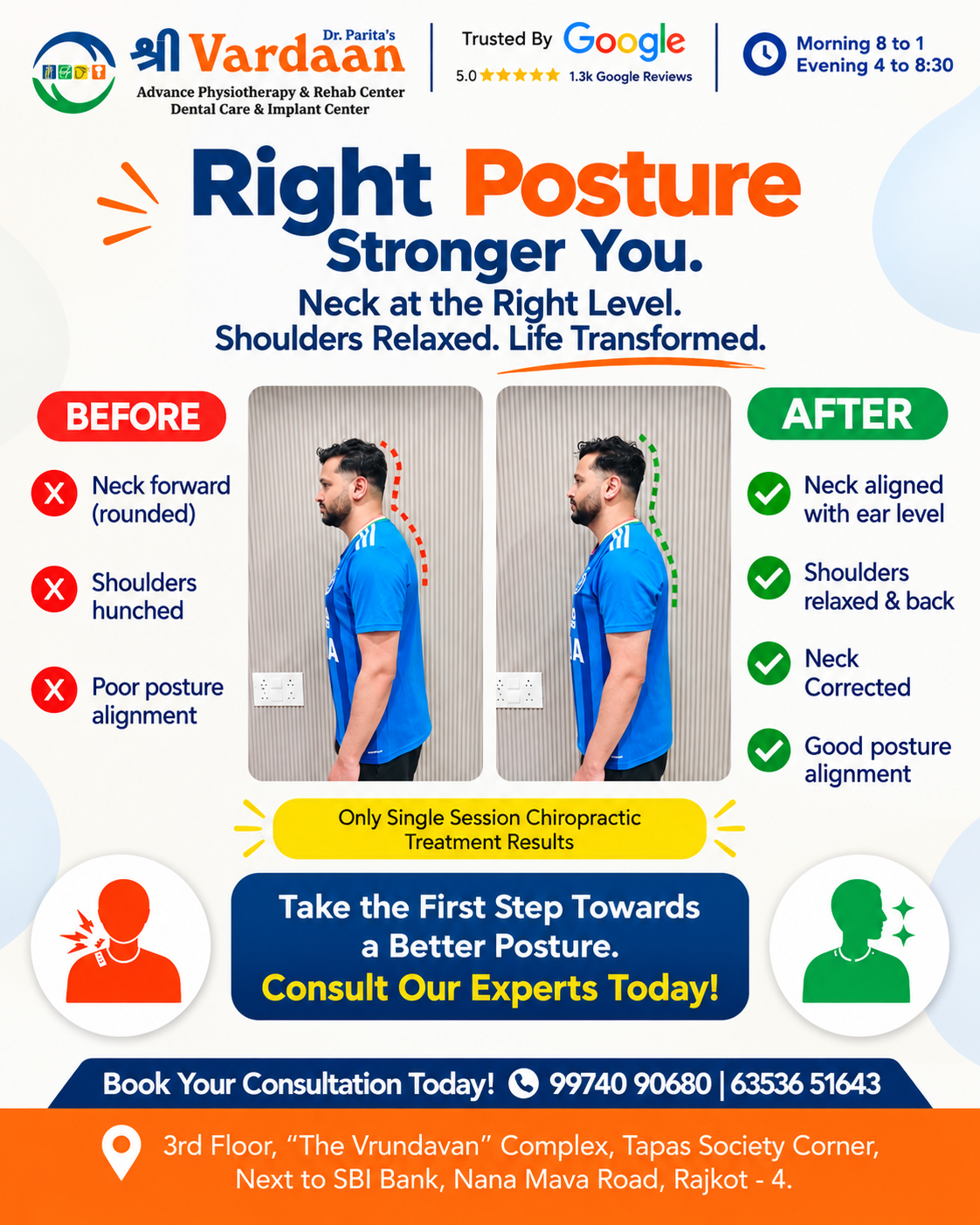
Good posture plays an important role in maintaining a healthy and active lifestyle. Whether you are sitting at a desk, walking, standing, or using your mobile phone, your body posture can affect your comfort and movement.
Poor posture, such as forward head positioning, rounded shoulders, and incorrect sitting habits, may contribute to muscle strain, neck discomfort, and back pain.
Spending long hours on computers, excessive mobile phone usage, and limited physical activity are some common factors that can affect body posture.
The good news is that posture correction exercises, healthy daily habits, and professional physiotherapy guidance can help improve postural control and support better body alignment.
In this blog, we will explore the importance of good posture, common causes of poor posture, its benefits, and how physiotherapy can help improve your posture.
What Is Posture Correction?
Posture correction refers to improving the alignment and positioning of your body while sitting, standing, walking, and performing daily activities.
Good posture helps maintain a comfortable balance between your head, neck, shoulders, spine, and other body parts.
When your body remains in an uncomfortable position for extended periods, certain muscles may experience additional stress.
Posture correction focuses on identifying these habits and developing better movement patterns through appropriate exercises, muscle strengthening, and ergonomic adjustments.
Common Causes of Poor Posture
Several daily habits and physical factors can contribute to poor body posture.
1. Prolonged Mobile Phone Usage
Frequently looking down at your mobile phone may contribute to forward head posture and increased stress on neck muscles.
2. Long Hours of Sitting
Sitting continuously for extended periods, especially without proper back support, may contribute to rounded shoulders and poor spinal positioning.
3. Incorrect Working Position
An improperly arranged workstation, low computer screen, or unsuitable chair can encourage uncomfortable neck and back positions.
4. Weak Neck and Back Muscles
Reduced muscle strength and endurance may make it difficult to maintain a comfortable body position throughout the day.
5. Lack of Physical Activity
Limited movement and prolonged inactivity can contribute to muscle stiffness and reduced flexibility.
6. Incorrect Sleeping Habits
Unsuitable sleeping positions and inadequate pillow support may contribute to neck and shoulder discomfort.
Common Signs and Symptoms of Poor Posture
Poor posture can affect different parts of the body and may lead to discomfort during everyday activities.
Some common signs include:
- Forward head positioning.
- Rounded or hunched shoulders.
- Uneven shoulder alignment.
- Neck stiffness and discomfort.
- Upper and lower back discomfort.
- Muscle tightness around the neck and shoulders.
- Difficulty maintaining a comfortable sitting position.
- Reduced flexibility and movement comfort.
If these symptoms persist or interfere with your daily activities, consider consulting a qualified healthcare professional.
Benefits of Posture Correction
Maintaining proper body posture can support better movement, comfort, and physical function.
Here are some important benefits of posture correction:
1. Supports Better Neck Alignment
Maintaining a comfortable head and neck position can help reduce unnecessary muscular stress and support better alignment.
2. Helps Reduce Muscle Strain
Good posture and appropriate movement habits may help distribute physical stress more comfortably across the muscles and joints.
3. Improves Body Alignment
Posture correction exercises help develop better awareness of head, shoulder, and spinal positioning.
4. Supports Comfortable Movement
Improving flexibility, strength, and postural control can make everyday movements more comfortable.
5. Encourages Better Sitting and Standing Habits
Posture awareness helps you maintain comfortable positions while working, studying, walking, and performing daily activities.
6. Supports Overall Physical Well-Being
Combining healthy posture habits with regular physical activity can support long-term movement and physical health.
How Can Physiotherapy Help with Posture Correction?
Physiotherapy plays an important role in identifying postural problems and developing an appropriate treatment plan.
A qualified physiotherapist evaluates your body alignment, muscle strength, flexibility, movement patterns, and daily habits before recommending personalized treatment.
Common physiotherapy approaches include:
1. Posture Assessment
A physiotherapist examines your head, neck, shoulder, and spinal alignment to identify postural concerns.
2. Therapeutic Exercises
Specific exercises help improve flexibility, muscle control, and movement patterns.
3. Muscle Strengthening
Strengthening exercises for the neck, shoulders, back, and core muscles can help improve postural support.
4. Stretching Exercises
Appropriate stretching may help manage muscle tightness and improve flexibility.
5. Manual Therapy
Depending on your condition, a physiotherapist may use suitable hands-on techniques to improve mobility and manage stiffness.
6. Ergonomic Guidance
Physiotherapists can recommend adjustments to your workstation, sitting position, and daily activities to support better posture.
7. Personalized Rehabilitation
A personalized rehabilitation program focuses on your individual needs, postural concerns, and movement goals.
Simple Exercises for Better Posture
Regular movement and appropriate exercises can help improve postural awareness and muscle function.
Some commonly recommended exercises include:
1. Chin Tucks
Gently move your chin backwards while keeping your head level. This exercise may help improve neck muscle control.
2. Shoulder Rolls
Slowly move your shoulders forward and backward to encourage comfortable shoulder movement.
3. Wall Posture Exercise
Stand comfortably against a wall and become aware of your head, upper back, and shoulder positioning without forcing your body into an uncomfortable position.
4. Shoulder Blade Squeezes
Gently bring your shoulder blades towards each other and hold briefly before relaxing.
5. Upper Back Stretching
Appropriate upper back stretches may help improve flexibility and reduce muscle tightness.
6. Core Strengthening Exercises
Exercises that strengthen the abdominal and back muscles can help support comfortable body positioning.
Always perform exercises according to your physical condition and professional guidance. Stop if any exercise causes pain or discomfort.
Daily Tips to Maintain Good Posture
Small changes in your daily routine can help support better posture.
- Keep your ears comfortably aligned over your shoulders.
- Avoid looking down at your mobile phone for extended periods.
- Maintain an ergonomic workstation.
- Keep your computer screen close to eye level.
- Avoid sitting continuously for long hours.
- Take regular movement breaks.
- Choose a comfortable sleeping position.
- Stay physically active.
- Follow recommended stretching and strengthening exercises.
Remember, good posture does not mean keeping your body stiff. It means maintaining comfortable alignment and changing positions regularly.
When Should You Consult a Physiotherapist?
Consider consulting a physiotherapist if:
- You frequently experience neck or back discomfort.
- Your shoulders appear rounded or hunched.
- You have difficulty maintaining a comfortable sitting position.
- You experience regular muscle stiffness.
- Poor posture affects your daily activities.
- You notice persistent changes in your body alignment.
A professional assessment can help identify the underlying factors and guide an appropriate physiotherapy program.
Frequently Asked Questions (FAQs)
1. What is the importance of posture correction?
Posture correction helps improve body alignment, postural awareness, and movement habits. It may also help reduce unnecessary muscle strain associated with poor posture.
2. Can poor posture cause neck and back pain?
Yes. Poor posture may contribute to additional stress on the muscles and joints around the neck and back, potentially leading to discomfort and stiffness.
3. How can I improve my body posture naturally?
You can support better posture by maintaining an ergonomic workstation, taking regular breaks, staying physically active, and performing appropriate strengthening and stretching exercises.
4. Can physiotherapy help correct poor posture?
Yes. Physiotherapy can help improve postural control through personalized exercises, muscle strengthening, flexibility training, and ergonomic guidance.
5. How long does posture correction take?
The time required varies from person to person. It depends on the individual's postural concerns, muscle strength, daily habits, and consistency with the recommended exercise program.
6. Which exercises are best for posture correction?
Chin tucks, shoulder blade squeezes, wall posture exercises, upper back stretches, and core strengthening exercises may help improve postural awareness and muscle function.
7. Can using a mobile phone affect body posture?
Yes. Looking down at a mobile phone for extended periods may contribute to forward head positioning and neck discomfort. Keeping your phone closer to eye level can help.
8. When should I seek physiotherapy for poor posture?
Consider consulting a physiotherapist if poor posture is associated with persistent neck or back discomfort, muscle stiffness, or difficulty performing daily activities.
Conclusion
Good posture is an important part of maintaining comfortable movement and overall physical well-being. Daily habits such as prolonged sitting, excessive mobile phone usage, incorrect working positions, and limited physical activity may contribute to poor posture.
Posture correction through appropriate exercises, muscle strengthening, ergonomic adjustments, and professional physiotherapy guidance can help improve postural control and support better body alignment.
Remember, developing good posture takes time and consistency. Small improvements in your daily habits can make a positive difference in how you sit, stand, walk, and move.
Right Posture, Stronger You! Take the First Step Towards Better Posture and Healthier Movement Today.

