Our Blogs
Knee Pain in Athletes How Sports Physiotherapy Helps Recovery
2026-10-30 03:36:21
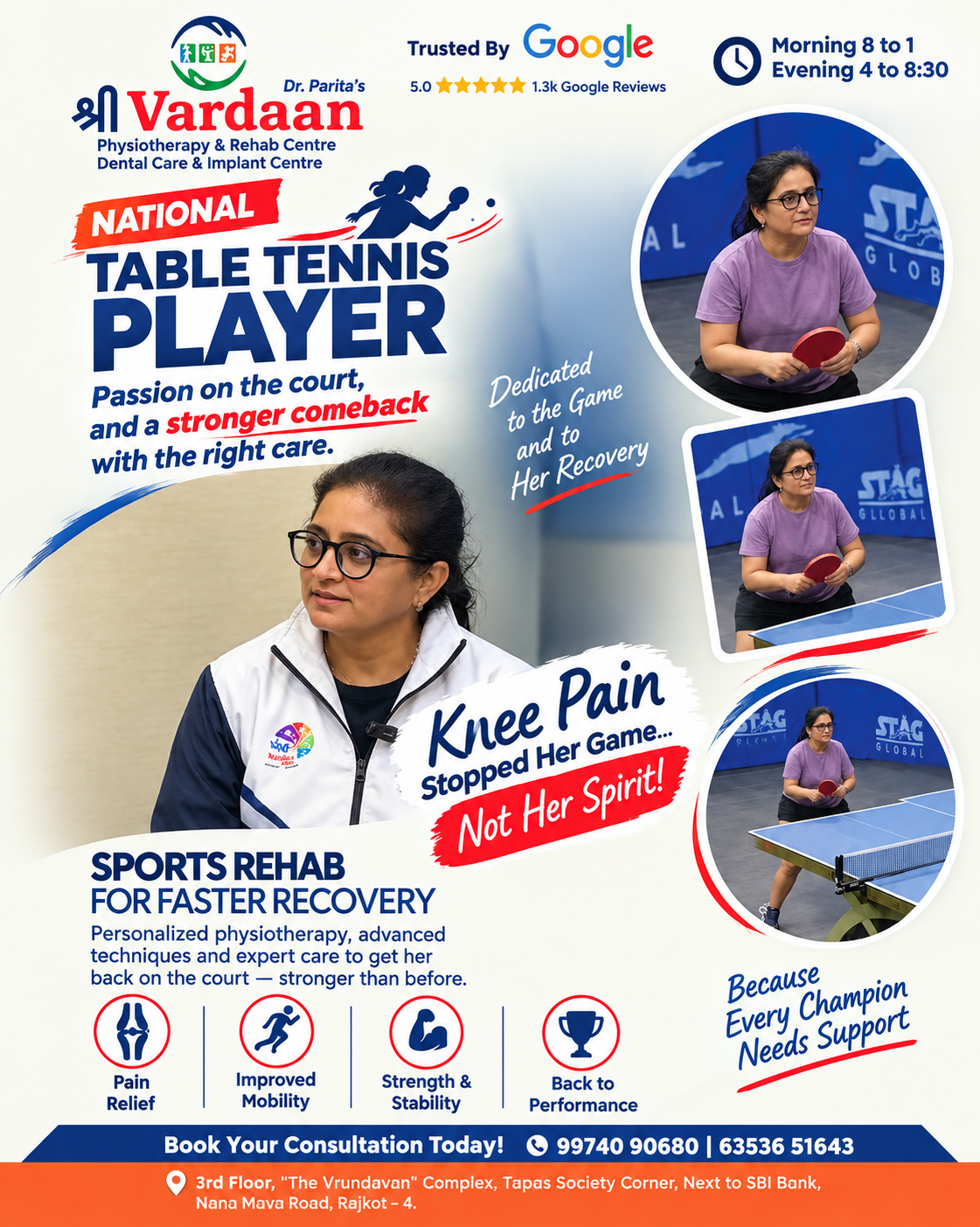
Knee pain is a common problem among athletes and sports players. Activities such as running, jumping, sudden turning, and repetitive movements can put stress on the knee joint. Whether you play table tennis, cricket, football, badminton, or participate in other sports, knee pain can affect your movement, performance, and confidence.
Sports physiotherapy can help athletes manage knee pain, improve mobility, rebuild strength, and work toward a safe return to sports. With the right assessment and a personalized rehabilitation plan, athletes can address the causes of their symptoms and improve their movement patterns.
In this blog, we will explore common causes of knee pain in athletes, how sports physiotherapy supports recovery, and when professional guidance may be helpful
What Causes Knee Pain in Athletes?.
The knee joint plays an important role in running, jumping, landing, and changing direction. Repeated stress or sudden injuries can lead to knee pain in athletes.
Some common causes include:
1. Overuse Injuries
Repeated training, intense practice sessions, and insufficient recovery time can irritate the tissues around the knee. Overuse injuries may develop gradually and become more noticeable during or after physical activity.
2. Muscle Weakness and Imbalance
The muscles around the hips, thighs, and knees help support movement and control the knee joint. Weakness or poor coordination in these muscles may affect movement mechanics and increase stress on certain tissues.
3. Ligament Injuries
Sudden changes in direction, awkward landings, or direct impact can injure knee ligaments. Depending on the severity, these injuries may cause pain, swelling, instability, or difficulty bearing weight.
4. Patellofemoral Pain
Pain around or behind the kneecap can occur during activities such as squatting, running, jumping, or climbing stairs. Training load, muscle function, and movement patterns may contribute to this type of pain.
5. Tendon Problems
Sports that involve repeated jumping and running can place considerable stress on the tendons around the knee. Tendon-related pain may develop gradually and become more noticeable during sporting activities.
Identifying the cause of knee pain is an important first step toward choosing an appropriate recovery plan.
What Is Sports Physiotherapy?
Sports physiotherapy focuses on assessing, treating, and rehabilitating injuries and movement problems associated with physical activity and sports.
For athletes experiencing knee pain, a sports physiotherapist may assess joint movement, muscle strength, flexibility, balance, coordination, and sport-specific movements.
Based on the assessment, the physiotherapist can develop an individualized rehabilitation program designed to address the athlete’s needs, current abilities, and sporting goals.
The aim is not only to help manage the current injury but also to improve physical function and prepare the athlete for a gradual return to sport.
How Sports Physiotherapy Helps Athletes Recover from Knee Pain
Sports physiotherapy uses different rehabilitation approaches depending on the injury, symptoms, and individual needs.
1. Pain Management
The first stage of rehabilitation may focus on managing pain and swelling while maintaining safe movement.
A physiotherapist can recommend appropriate activity modification and symptom-management strategies. Treatment methods are selected according to the athlete’s condition and assessment findings.
2. Improving Knee Mobility
Knee stiffness can make it difficult to bend or straighten the leg comfortably. Appropriate mobility exercises may help improve the knee’s range of motion when suitable for the injury.
Restoring comfortable movement can support everyday activities and prepare the athlete for more demanding rehabilitation exercises.
3. Strengthening the Supporting Muscles
Strengthening exercises are an important part of many knee rehabilitation programs.
Depending on the athlete’s condition, exercises may target the quadriceps, hamstrings, gluteal muscles, and calf muscles. Improved strength and control can support functional movements such as walking, squatting, landing, and changing direction.
Exercise selection and progression should be guided by the injury and the athlete’s tolerance.
4. Improving Balance and Stability
Balance and coordination are important for athletes who need to control their body during quick movements.
A rehabilitation program may include single-leg balance exercises, controlled weight-shifting, and movement-control drills. These exercises can help athletes develop better control during activities required by their sport.
5. Sport-Specific Rehabilitation
Every sport places different demands on the body. Table tennis requires quick lateral movement and rapid changes in direction, while cricket, football, and badminton involve their own movement patterns.
As recovery progresses, a physiotherapist may introduce sport-specific drills that gradually prepare the athlete for the demands of training and competition.
The timing and intensity of these drills depend on the injury, recovery progress, and professional assessment.
6. Supporting a Safe Return to Sports
Returning to sports too early may increase the risk of aggravating an injury.
A physiotherapist can help assess factors such as pain, swelling, range of motion, strength, balance, and functional performance when planning a return to activity.
The return-to-sport process should be gradual and based on appropriate clinical criteria rather than a fixed timeline alone.
Can Sports Physiotherapy Help Prevent Future Knee Injuries?
Although no rehabilitation program can prevent every injury, appropriate strength and conditioning may help athletes improve movement control and physical preparedness.
Useful strategies may include:
-
Warming up before practice and competition.
-
Increasing training intensity gradually.
-
Including suitable strength and conditioning exercises.
-
Practising correct landing and movement techniques.
-
Allowing sufficient recovery between demanding sessions.
-
Using appropriate footwear and sports equipment.
-
Seeking professional advice when pain persists or returns.
Athletes should pay attention to persistent symptoms rather than repeatedly training through pain.
When Should Athletes Seek Professional Help for Knee Pain?
Athletes should consider a professional assessment when knee pain continues, repeatedly returns during training, or limits their normal movement.
Prompt medical assessment is particularly important if knee pain follows a significant injury or is accompanied by severe pain, substantial swelling, visible deformity, locking, or an inability to bear weight.
A hot, red knee accompanied by fever also requires urgent medical evaluation.
The appropriate treatment depends on the underlying cause, so athletes should avoid assuming that every case of knee pain can be managed with exercises alone.
How Long Does It Take to Recover from Knee Pain?
Recovery time varies depending on the cause and severity of the injury, the athlete’s overall health, and the demands of their sport.
Some mild problems may improve over a relatively short period, while ligament injuries, significant tendon problems, or other complex conditions may require longer rehabilitation and medical treatment.
Following an individualized rehabilitation plan, progressing exercises appropriately, and allowing adequate recovery can support the recovery process.
A sports physiotherapist or treating medical professional can help establish realistic goals and guide progress.
Frequently Asked Questions (FAQs)
1. Can sports physiotherapy help with knee pain in athletes?
Sports physiotherapy can help manage many causes of knee pain through individualized exercise, movement training, and rehabilitation. The appropriate approach depends on the underlying condition.
2. Which exercises may help athletes with knee pain?
Depending on the injury, a rehabilitation program may include quadriceps strengthening, hamstring exercises, hip strengthening, balance training, and controlled movement exercises. A professional assessment can help determine which exercises are appropriate.
3. Can an athlete continue playing sports with knee pain?
It depends on the cause and severity of the pain. Continuing intense activity may aggravate some injuries. Athletes should seek professional advice, especially when pain affects movement or is accompanied by swelling or instability.
4. How can athletes reduce the risk of knee injuries?
Appropriate strength training, gradual training progression, suitable warm-ups, adequate recovery, and sport-specific movement training may help reduce certain injury risks. However, no strategy can prevent every injury.
5. When can an athlete return to sports after a knee injury?
Return-to-sport timing depends on the injury and recovery progress. Pain, swelling, mobility, strength, balance, and sport-specific function may all be considered before returning to full activity.
Conclusion
Knee pain can interfere with an athlete’s training, performance, and confidence. Understanding the possible cause of the pain and following an appropriate rehabilitation plan are important steps toward recovery.
Sports physiotherapy can help athletes work on pain management, knee mobility, muscle strength, balance, and sport-specific movement. With individualized guidance and a gradual return-to-sport plan, athletes can work toward restoring function and returning to their chosen activities safely.

